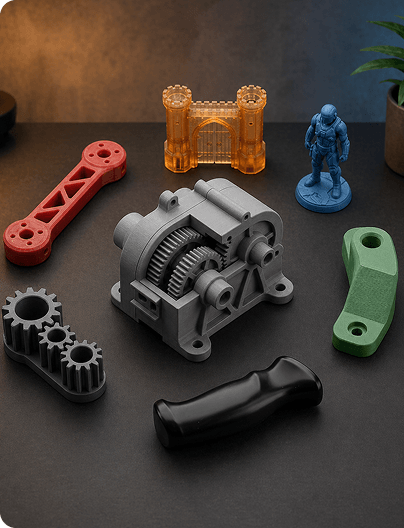


Production
Built for Scale
Low to high Volume, Quality, Consistency.
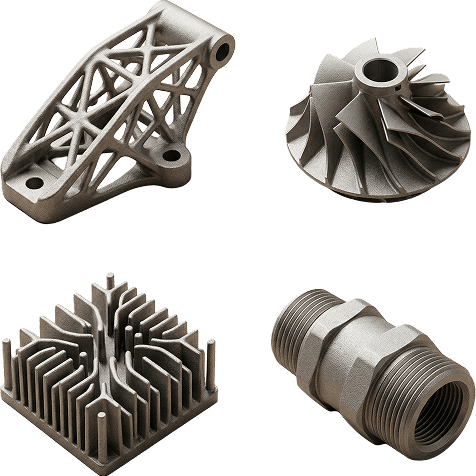
1 Million+
Parts Produced
70,000+
Businesses Served
100+
Unique Materials
31+
3D Printing Technologies
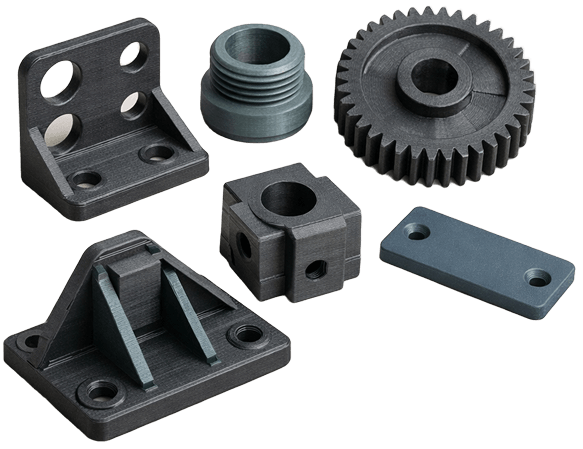
Fused deposition modeling builds a part by melting thermoplastic filament and depositing it in controlled layers. It is commonly selected for functional prototypes, housings, fixtures, tooling, and larger parts where material durability and cost are more important than very fine detail.
Choose FDM for economical thermoplastic components. Consider SLA or DLP when the part needs finer details or a smoother surface.
When strength, tolerance, or finish is critical, but you’re not sure which process will be the best choice, get in touch with Champ3D experts to discuss and decide.
Champ3D’s FDM printing service is suited for projects that need economical thermoplastic parts for testing, assembly checks, tooling, or low-volume use. Material, orientation, infill, and wall thickness should be selected around the part’s load, temperature, and finish requirements.
Test and update part designs without investing in expensive production tooling.
Choose engineering-grade thermoplastics based on strength, flexibility, and heat requirements.
Produce larger prototypes and components within the available FDM build dimensions.
Create lightweight manufacturing aids tailored to specific assembly and production tasks.
Order small batches of functional parts without paying for injection-molding tools.
Material choice affects strength, flexibility, heat resistance, finish, and price. Here are our available options:
PLA
Use for economical concept models and visual prototypes where heat resistance is not the main requirement.
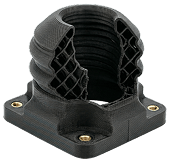
TPU
Use for flexible components, protective features, and parts that need elastic behavior. Confirm the available hardness before ordering.
Design FDM parts around the direction of the expected load because strength can vary across printed layers. Use adequate wall thickness, avoid unsupported overhangs where possible, and leave access for support removal.
Treat the values below as starting guidance. Final requirements depend on the selected material, nozzle, layer height, part size, and geometry. Upload the CAD file for a manufacturability check before ordering a critical component.
FDM parts usually show visible layer lines before any surface finishing is done. Support removal, sanding, priming, or material-compatible smoothing can improve appearance, but each process may affect dimensions, edges, and lead time.
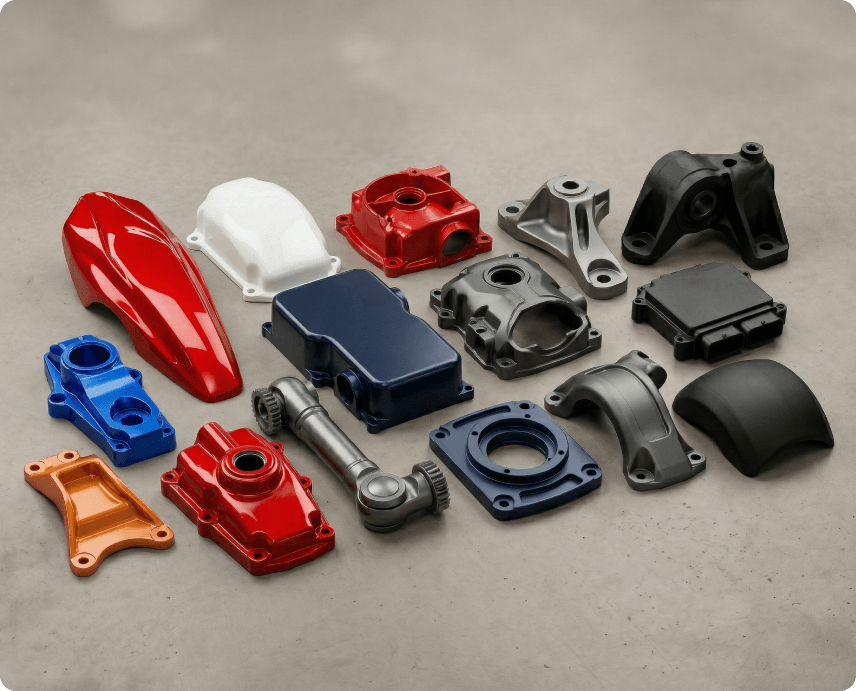
FDM is commonly used for fit-check prototypes, assembly fixtures, drill guides, protective housings, brackets, ducts, educational models, and low-volume components. The best application depends on material, load direction, temperature, tolerance, and surface requirements.
Lightweight structural prototypes, ducting models, and tooling fixtures designed for rapid development.
Functional housings, dashboard prototypes, and mechanical test parts produced with engineering thermoplastics.
Custom enclosures, prototype components, and low-volume functional parts for validation and testing.
Durable brackets, covers, and mechanical assemblies built for real-world performance.
Product-ready prototypes, ergonomic testing models, and durable plastic housings.
Fast, affordable rapid prototyping FDM solutions to accelerate product development without tooling investment.
Order thermoplastic parts online in four steps. Upload your CAD file, select the available material and finish, review the quote, and confirm the order for production.
Step 1
Submit a supported 3D model and confirm the required quantity.
Step 2
Check material, dimensions, price, and any manufacturability notes shown by the platform or engineering team.
Step 3
Approve the specification so the part can be scheduled and built.
Step 4
The finished parts are checked, packed, and shipped using the delivery option selected for the order.
Upload your design today and get an instant quote for reliable thermoplastic 3D printing.
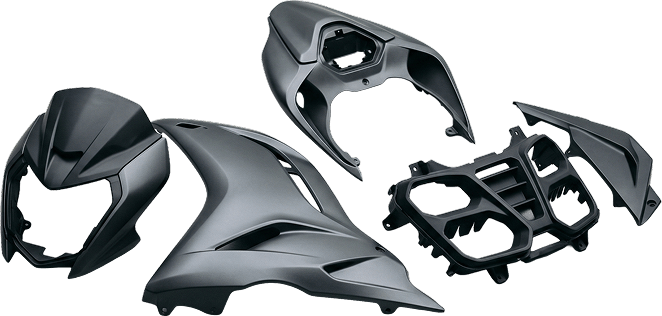
Hello! Tell us a bit about your project, and a engineers will follow up to discuss how we can help scale your 3D printed parts from prototype to full production volume.