

Outdoor Enclosures & Housings
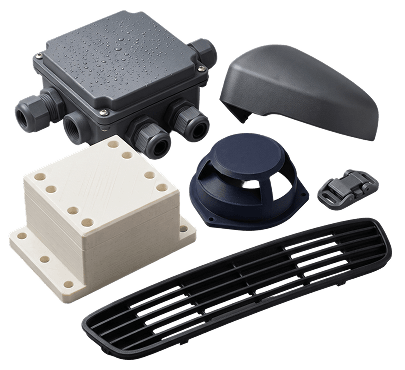
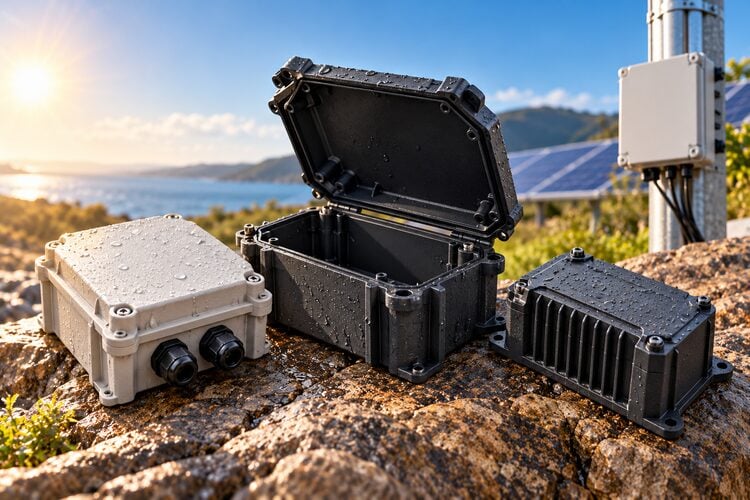
Weather-resistant enclosures for electronics and equipment.
ASA can be considered where a housing needs to remain functional and visually consistent during outdoor exposure.
ASA — UV-Stable Engineering Thermoplastic for Outdoor Applications
ASA is an engineering thermoplastic with ABS-like versatility and strong UV and weather resistance. It is well suited for outdoor functional prototypes, manufacturing tooling and production/end-use components exposed to sunlight, moisture and changing environmental conditions.
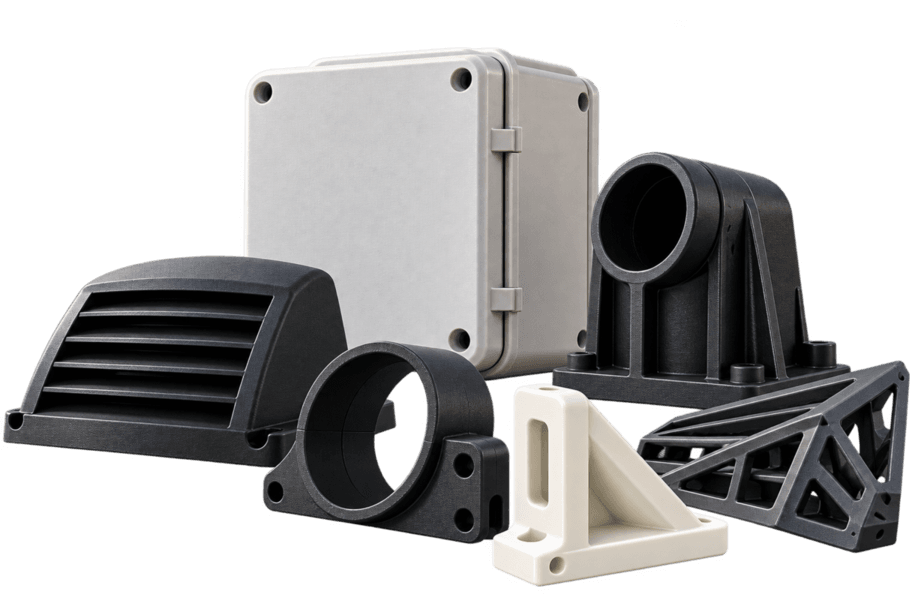
Engineered for the Outdoors
ASA (Acrylonitrile Styrene Acrylate) is a versatile FDM thermoplastic that combines the mechanical properties of ABS with exceptional UV stability and weather resistance. It maintains its appearance and performance in outdoor environments, making it well suited for functional prototypes, end-use parts and manufacturing tooling that are exposed to sunlight, moisture and varying temperatures.
For projects where outdoor exposure is an important design requirement, ASA provides a combination of weather resistance, functional strength, and finishing flexibility.
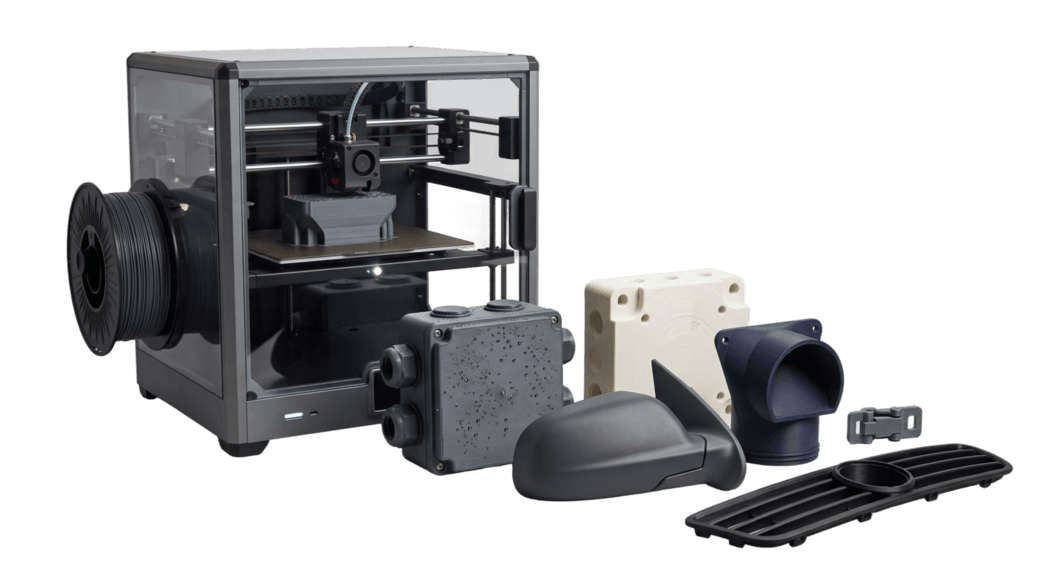
ASA 3D printing uses Acrylonitrile Styrene Acrylate as the thermoplastic material in an FDM process. ASA is commonly selected for parts that require UV stability, weather resistance, useful mechanical strength and a consistent surface appearance.
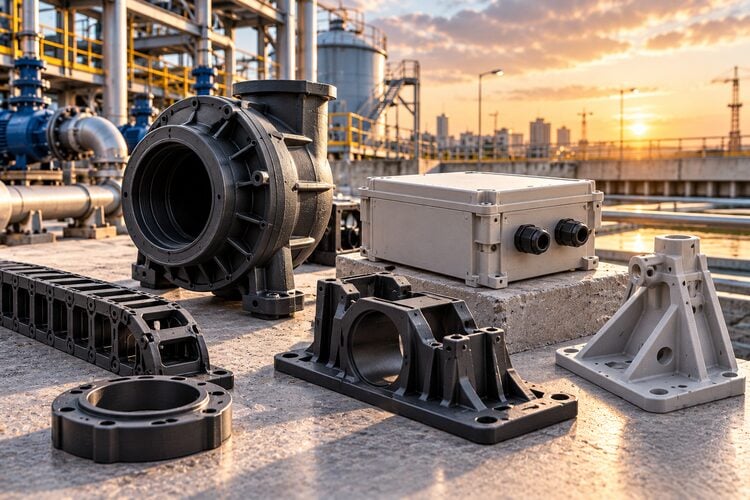
Typical applications include outdoor housings, exterior prototypes, manufacturing tooling, equipment components and durable end-use parts.
Typical Material Properties
Representative values — actual properties vary by grade, build orientation and process parameters.
Note: A representative commercial ASA grade reports 96 °C heat deflection temperature at 0.455 MPa using ASTM D648. Values are representative manufacturer data only.
ASA is a strong candidate for FDM parts that will be exposed to sunlight, moisture, changing temperatures or outdoor conditions.
Consider ASA when your application requires:
ASA is particularly useful when outdoor durability and surface appearance matter alongside functional performance.
Yes. ASA is commonly used for outdoor FDM 3D printed parts because it offers strong UV stability and weather resistance.
It is well suited for applications such as outdoor housings, exterior prototypes, equipment components, infrastructure parts and end-use components exposed to sunlight and moisture.
For outdoor projects with critical performance requirements, the final design should still be reviewed based on actual exposure conditions and part requirements.
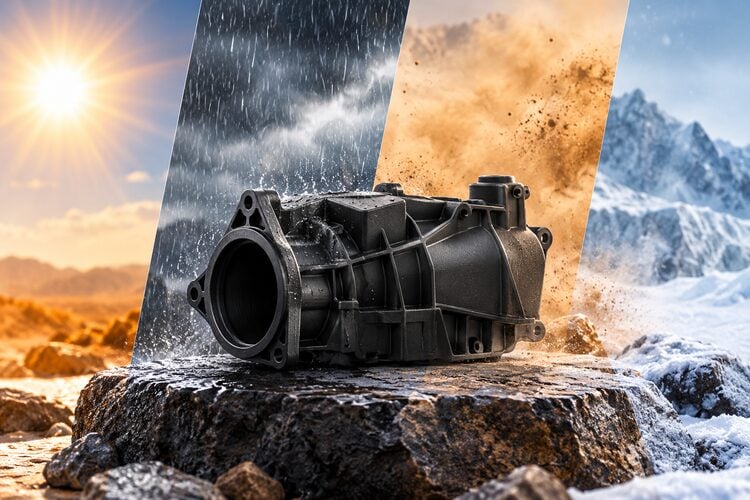
ASA is widely used for outdoor and high-exposure applications where durability, weather resistance and appearance matter.
Weather-resistant enclosures for electronics and equipment.
ASA can be considered where a housing needs to remain functional and visually consistent during outdoor exposure.
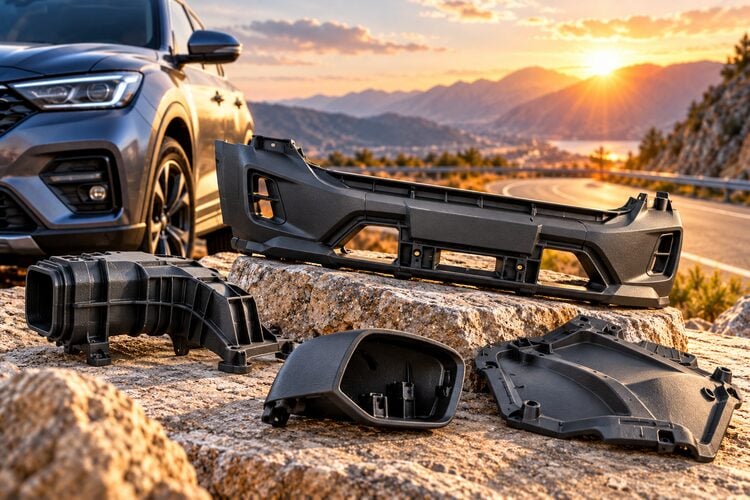
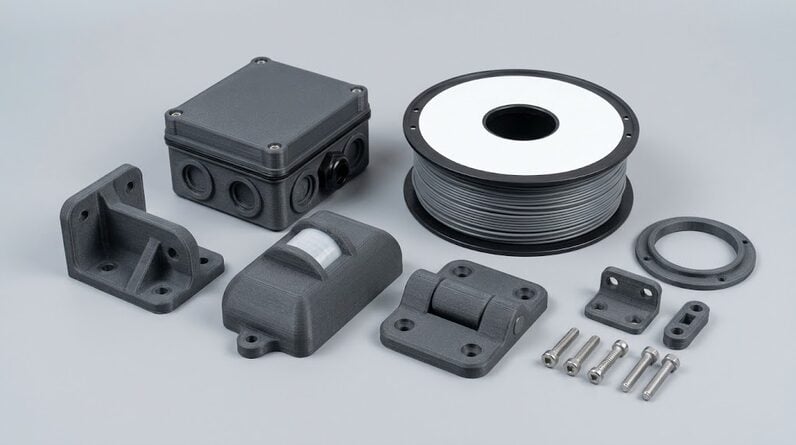
Exterior components and functional prototypes.
ASA is useful for prototype parts that need to represent an exterior component exposed to sunlight and environmental conditions.
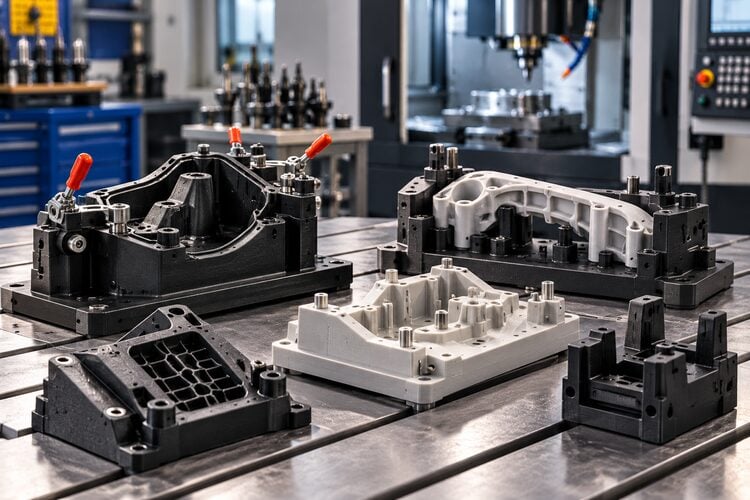
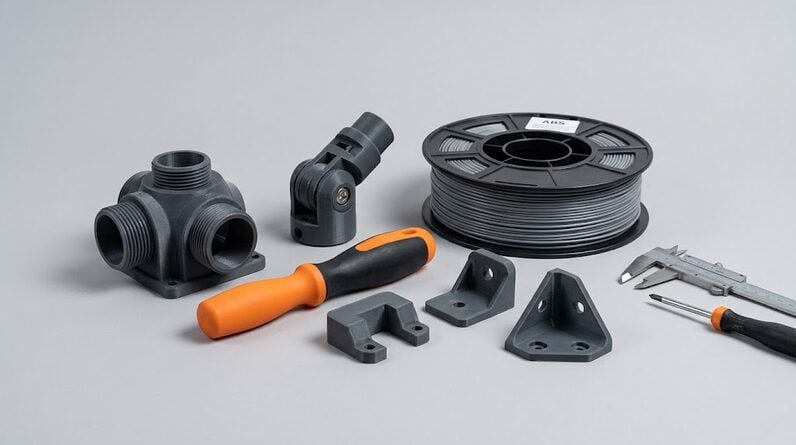
Durable tooling for production environments.
ASA can be used for manufacturing aids where toughness and finishing flexibility are useful.
Material selection should be based on the environment, mechanical requirements, finishing needs and intended use of the part.
Note: A representative commercial ASA grade reports 96 °C heat deflection temperature at 0.455 MPa using ASTM D648. Values are representative manufacturer data only.
Another material may be worth considering when your application prioritizes a property that is not the main strength of ASA.
Consider
Material selection should be based on the actual part requirements rather than a single property.
Final part performance depends on more than the material alone.
When preparing an ASA part for FDM 3D printing, consider:
For parts with critical performance or fit requirements, review the design with the manufacturing team before production.
Upload your 3D model for a quote or speak with our team about ASA material selection, design and finishing requirements.