

FDM PLA
PLA — Rigid, Efficient Material for Concept & Design Prototypes
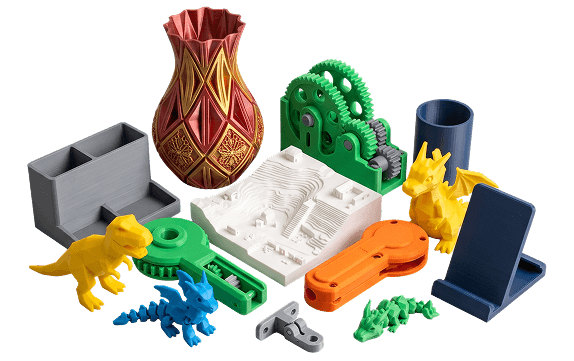
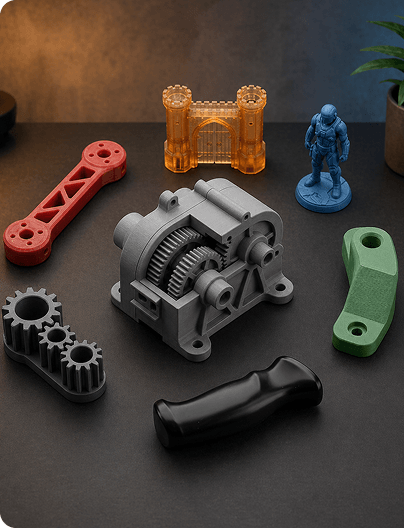
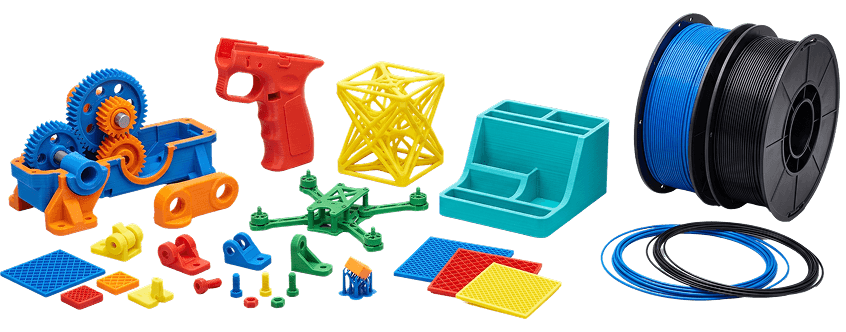
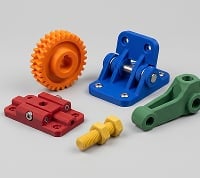
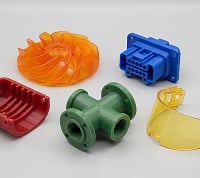
PLA is a stiff FDM thermoplastic suited to concept verification, form-and-fit models, design iterations and visual engineering prototypes. It offers crisp detail and useful dimensional behavior for early-stage design work, while typically printing at lower temperatures than higher-temperature engineering thermoplastics.
- High Stiffness
- Crisp Detail
- Efficient Prototyping
- Good for Concept Models


PLA Material Overview
A Practical Choice for Early-Stage Prototypes
PLA (Polylactic Acid) is a renewable-resource FDM thermoplastic used for concept verification, visual models, form-and-fit checks and early design iterations.
It is known for high stiffness, good strength and crisp feature definition, making it well suited to design reviews and prototype evaluation where appearance, geometry and fit are important.
PLA also typically prints at lower temperatures than higher-temperature engineering thermoplastics, making it a practical material for general-purpose prototyping.
PLA Material Properties and Technical Specifications
Representative values — actual properties vary by material grade, build orientation, process parameters and test definition.
Common PLA 3D Printing Applications
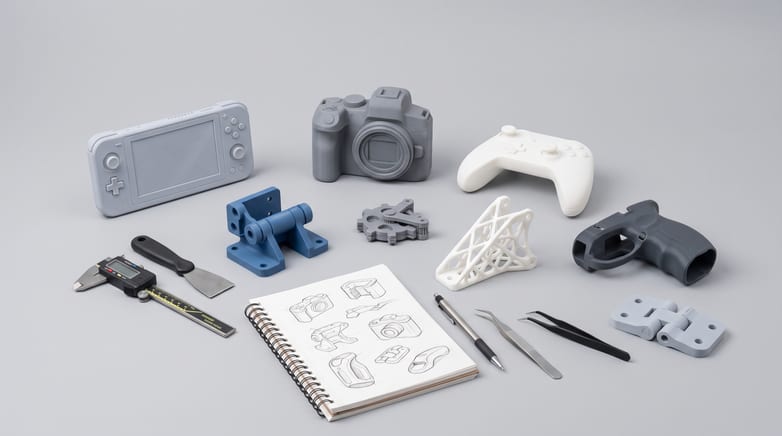
PLA is commonly used for early-stage design and engineering work where stiffness, visual detail and dimensional evaluation are important.
Concept Verification
Use PLA to review overall geometry, proportions and design intent during early development.
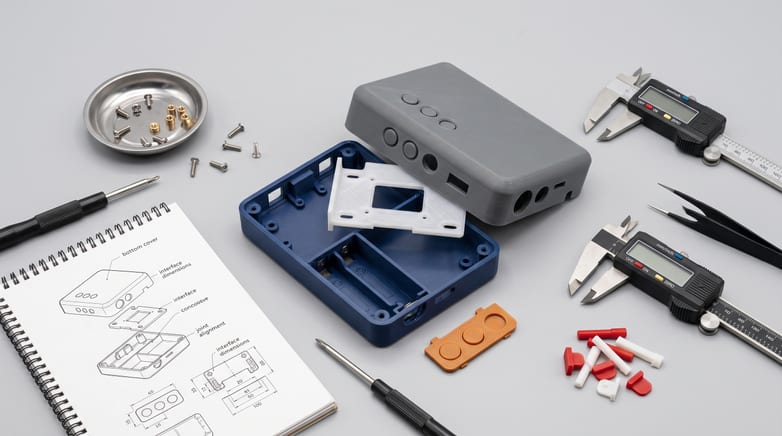
Form & Fit Models
PLA can be used to check assembly relationships, interface geometry and enclosure fit before moving to later-stage materials.
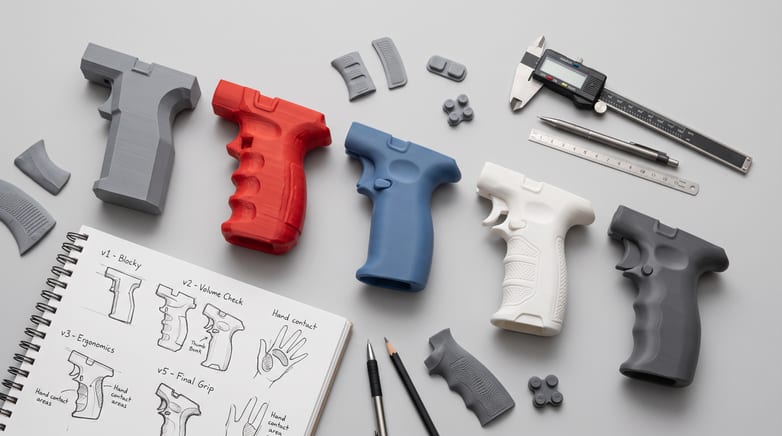
Design Iteration & Ergonomic Housings
PLA is useful for comparing size, shape and handling during product-development reviews.
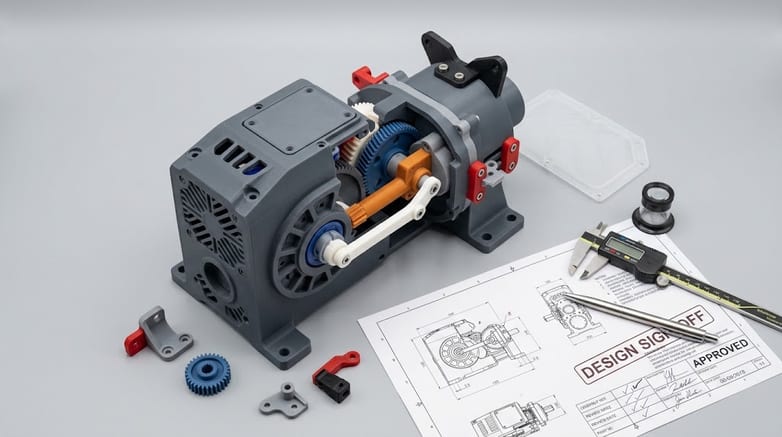
Visual & Presentation Engineering Prototypes
PLA can produce clean, defined features for engineering reviews, stakeholder presentations and design sign-off.
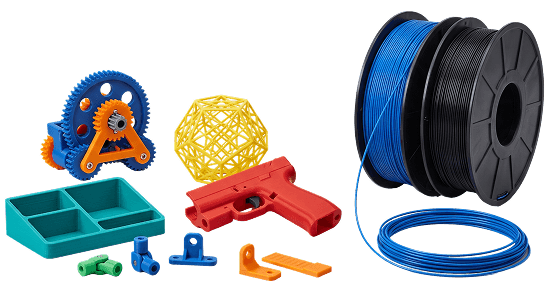
When Should You Choose PLA for 3D Printing?
PLA is a good choice when the main goal is to evaluate a design rather than simulate demanding end-use conditions.
Consider PLA for:
- Concept models
- Form-and-fit checks
- Design iterations
- Visual prototypes
- Presentation models
- Ergonomic housings
- Early-stage engineering reviews
- Parts where stiffness and crisp detail are important
- Applications where high heat resistance is not required
PLA is especially useful when the priority is design evaluation, visual quality and dimensional review.
What Is PLA Used for in FDM 3D Printing?
PLA is mainly used for concept verification, form-and-fit models, design iterations and visual engineering prototypes
where stiffness, crisp detail and geometry are important.
When is PLA Not the Best Material?
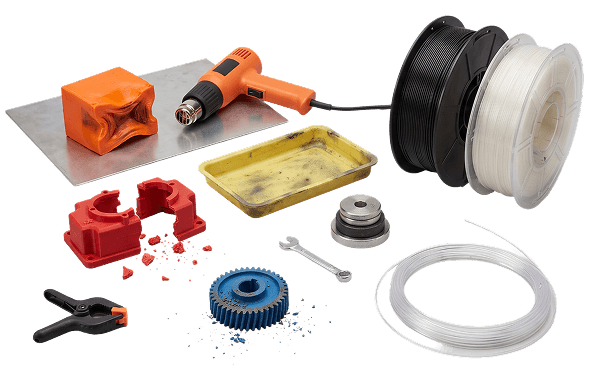
PLA may not be the best choice where the application requires properties beyond early-stage prototyping.
Consider another material when the part requires:
- Higher temperature resistance
- Greater impact resistance
- Long-term outdoor exposure
- Higher wear resistance
- Demanding end-use mechanical performance
- Environmental resistance beyond general prototyping needs
In these cases, materials such as PETG, ABS, ASA, Nylon or Polycarbonate may be more appropriate depending on the specific requirement.
PLA vs Other FDM Materials
Material selection should be based on how the part will be used, the environment it will see and the level of mechanical or thermal performance required.
PLA Performance Considerations
How Heat Resistant Is PLA?
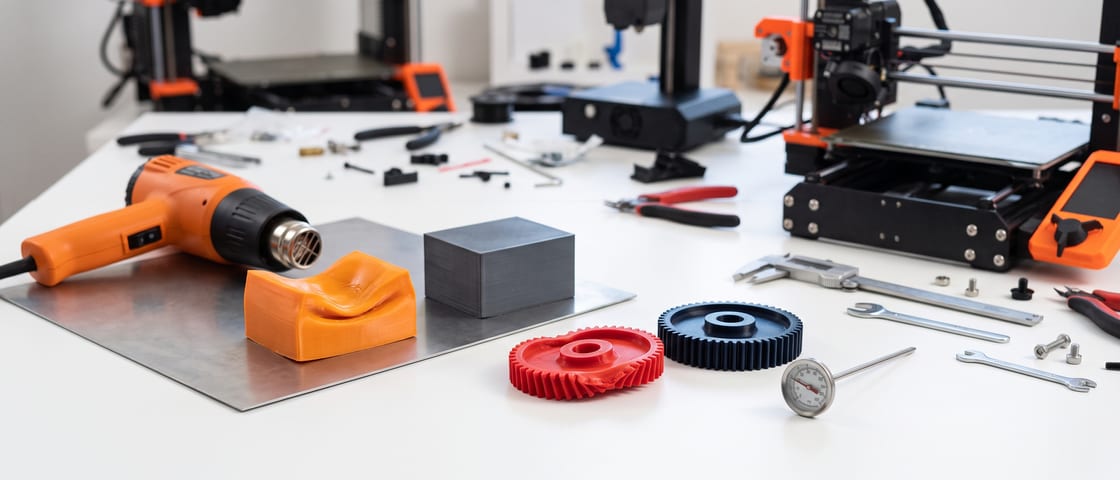
PLA has relatively low heat resistance compared with materials such as ABS and ASA.
It is generally better suited to concept models and design prototypes than applications that will experience elevated temperatures.
For temperature-critical parts, the specific material grade and application conditions should be reviewed before production.
Is PLA Suitable for Functional Parts?
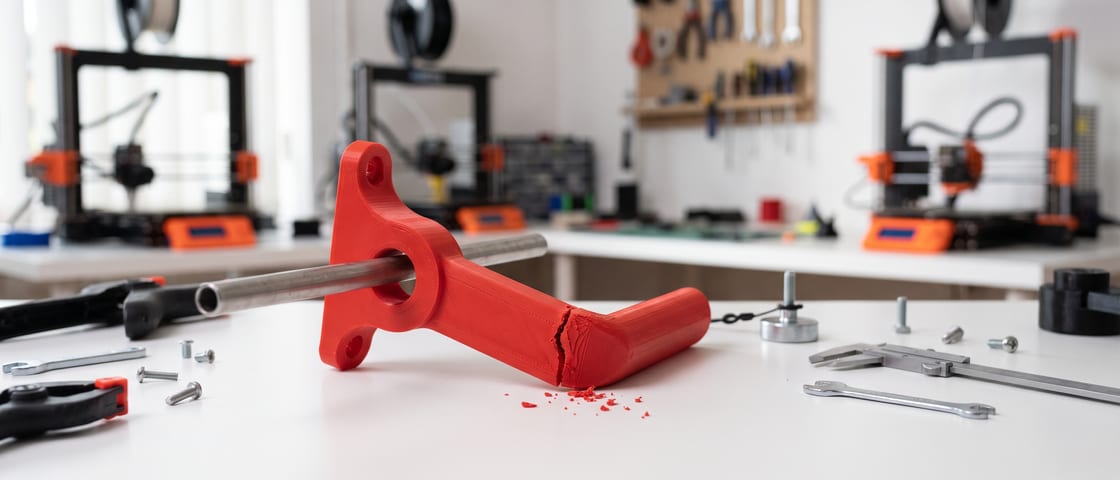
PLA can be used for some low-stress functional checks, but its strongest use cases are concept verification, form-and-fit models, visual prototypes and early design iterations.
If the part will see demanding loads, impact, heat or long-term end-use conditions, another engineering material may be more suitable.
Does Build Orientation Affect PLA Performance?
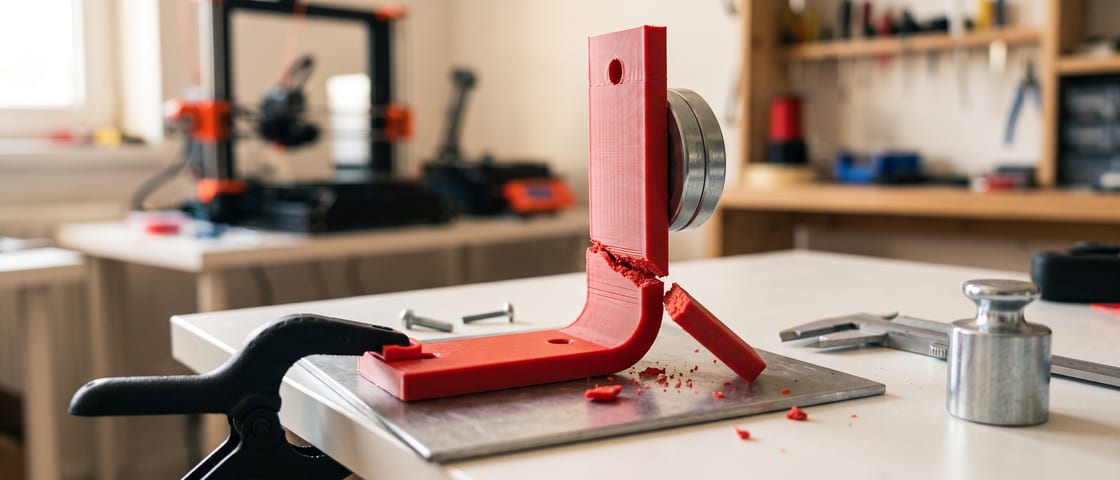
Yes. Representative strength values can vary with build orientation and process parameters.
Printed-part behavior should not be assumed to match raw-material or supplier data exactly.
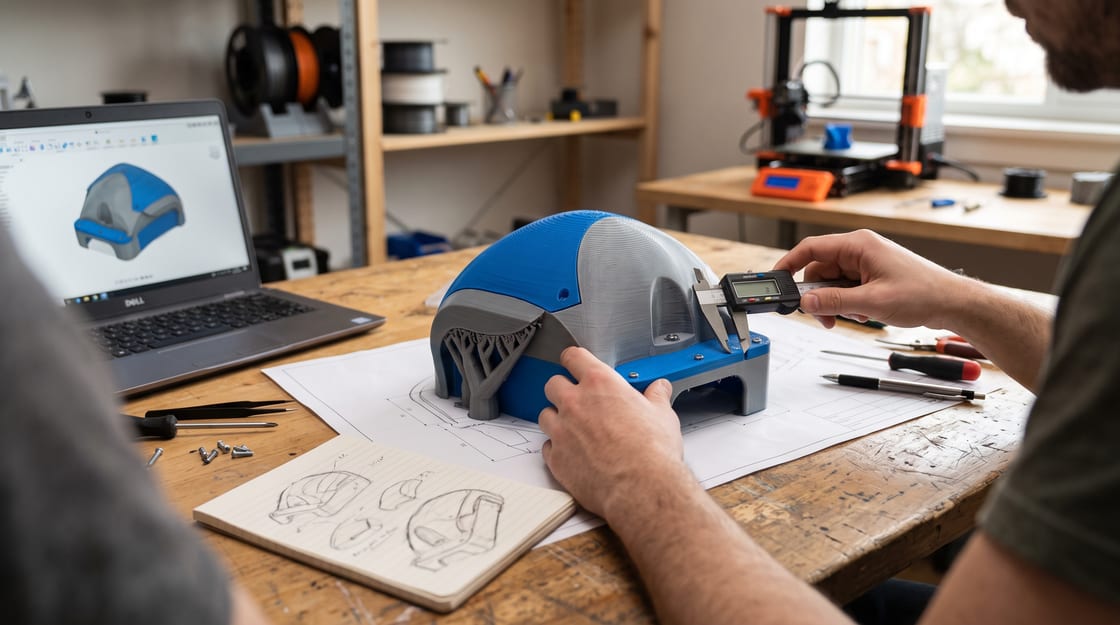
PLA 3D Printing Design Considerations
The final performance and usefulness of a PLA part depend on more than the material alone. When preparing a PLA part for FDM 3D printing, consider:
- Part geometry
- Build orientation
- Support requirements
- Visible surface requirements
- Assembly interfaces
- Functional loading
- Temperature exposure
- Surface finish
- Dimensional requirements
For form-and-fit or interface checks, focus on the features that must be evaluated during the design review.
For parts with critical mechanical or thermal requirements, confirm whether PLA is suitable before ordering.


Frequently Asked Questions About PLA 3D Printing
Ready to Start Your PLA Project?
Upload your 3D model for a quote or speak with our team about PLA material selection, design requirements, and prototype goals.