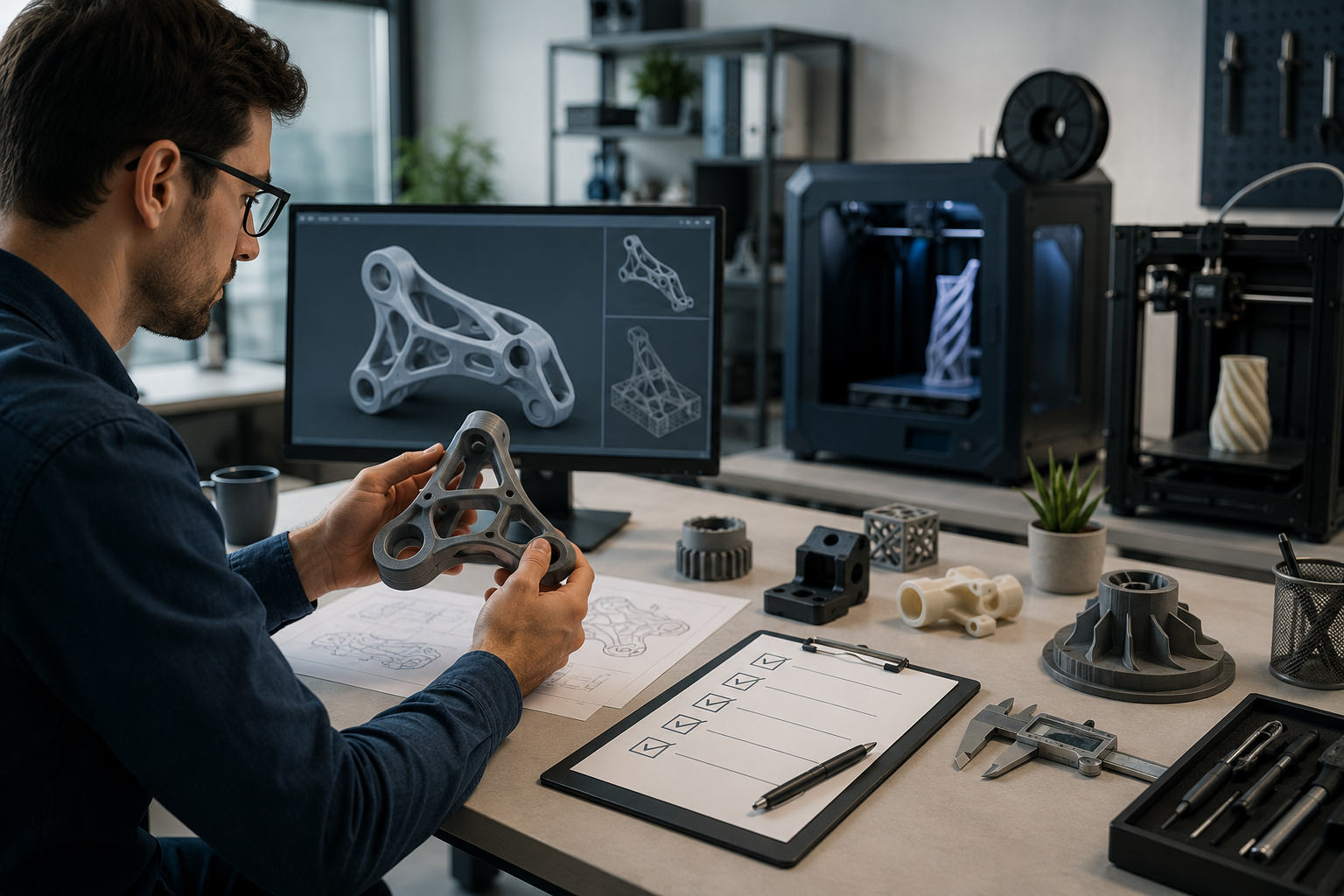

What to Check Before Ordering Custom 3D Printed Parts Online
Listen to Content
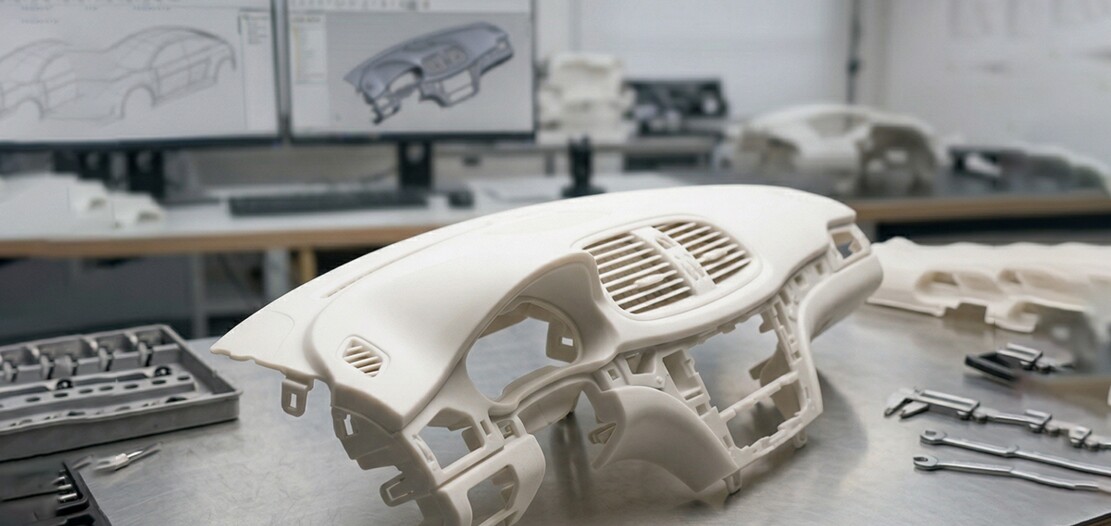
Before you order 3D printed parts, check your design file, intended application, material, printing technology, tolerances, surface finish, total price, production time, and supplier quality process. Confirming these details before checkout can reduce design revisions, unexpected charges, delivery delays, and unusable parts. A reliable Online 3D Printing Service should provide enough information to help you make these decisions before production begins.
What Information Do You Need to Order 3D Printed Parts Online?
Prepare the following information before uploading your model:
- A printable 3D model with the correct measurement units
- Required quantity and final part dimensions
- Intended application and operating conditions
- Preferred material and printing technology
- Critical tolerances and required finish
- Delivery ZIP code and required arrival date
Complete specifications make it easier for a supplier to review manufacturability, calculate the price, and recommend suitable production options.
- Check Your 3D Model and File Format
Review the supplier’s supported 3D printing file formats before uploading your model. Common options include STL, STEP, OBJ, and 3MF, but accepted formats may vary by service and technology.
Confirm that the model uses the correct units and dimensions. Check it for missing faces, intersecting surfaces, inverted normals, and non-watertight geometry. Automated file analysis can identify basic problems, but complex or functional components may also require a manual design review.
- Define How the Printed Part Will Be Used
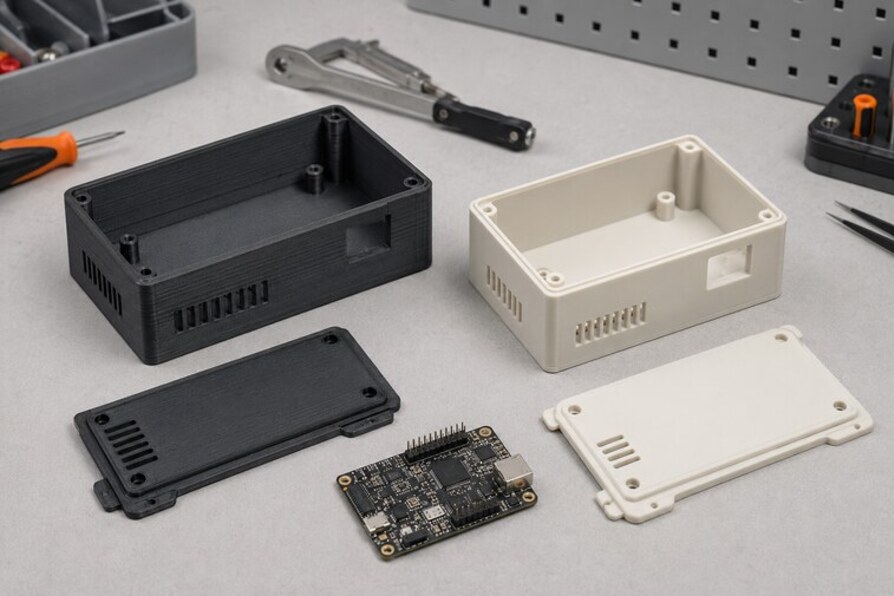
The intended use should guide every production decision. A visual display model has different requirements from a load-bearing component or high-temperature replacement part.
Clarify whether the part is intended for:
- Visual presentation or concept evaluation
- Form-and-fit testing
- Functional testing
- Jigs and fixtures
- Replacement components
- Outdoor or high-temperature use
- Final production applications
Share expected loads, chemicals, temperatures, sunlight, moisture, and repeated-use requirements with the supplier.
- Choose the Right 3D Printing Technology
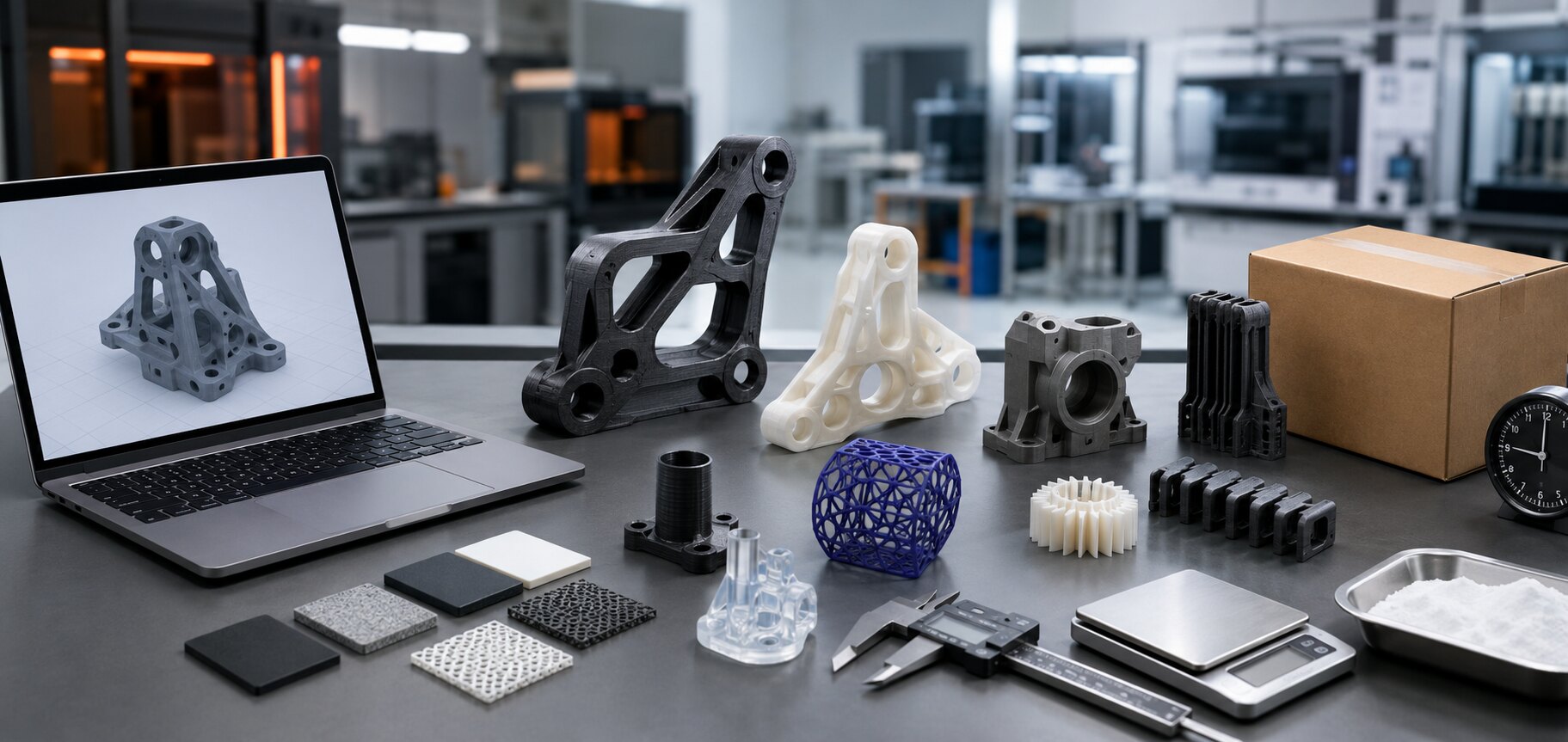
No single process is suitable for every design. Compare cost, accuracy, finish, strength, material availability, and production volume before choosing a method.
|
Technology |
Best Suited For |
Main Consideration |
|
FDM |
Affordable prototypes and larger plastic parts |
Layer lines may remain visible |
|
SLA/DLP |
Detailed models and smooth surfaces |
Resin properties vary |
|
SLS/MJF |
Durable and complex nylon components |
Natural finish may feel grainy |
|
SLM |
Dense, functional metal components |
Production costs are generally higher |
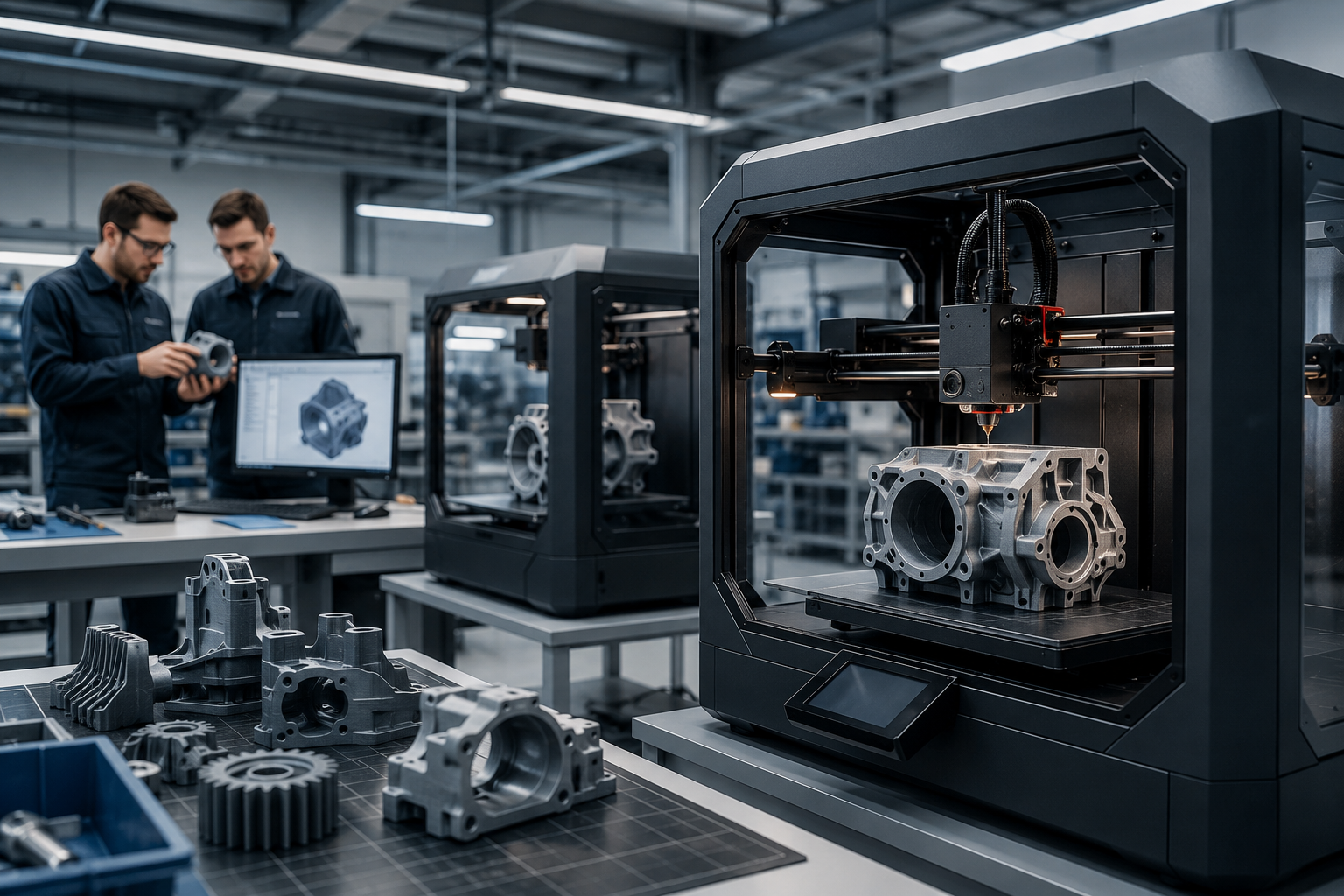
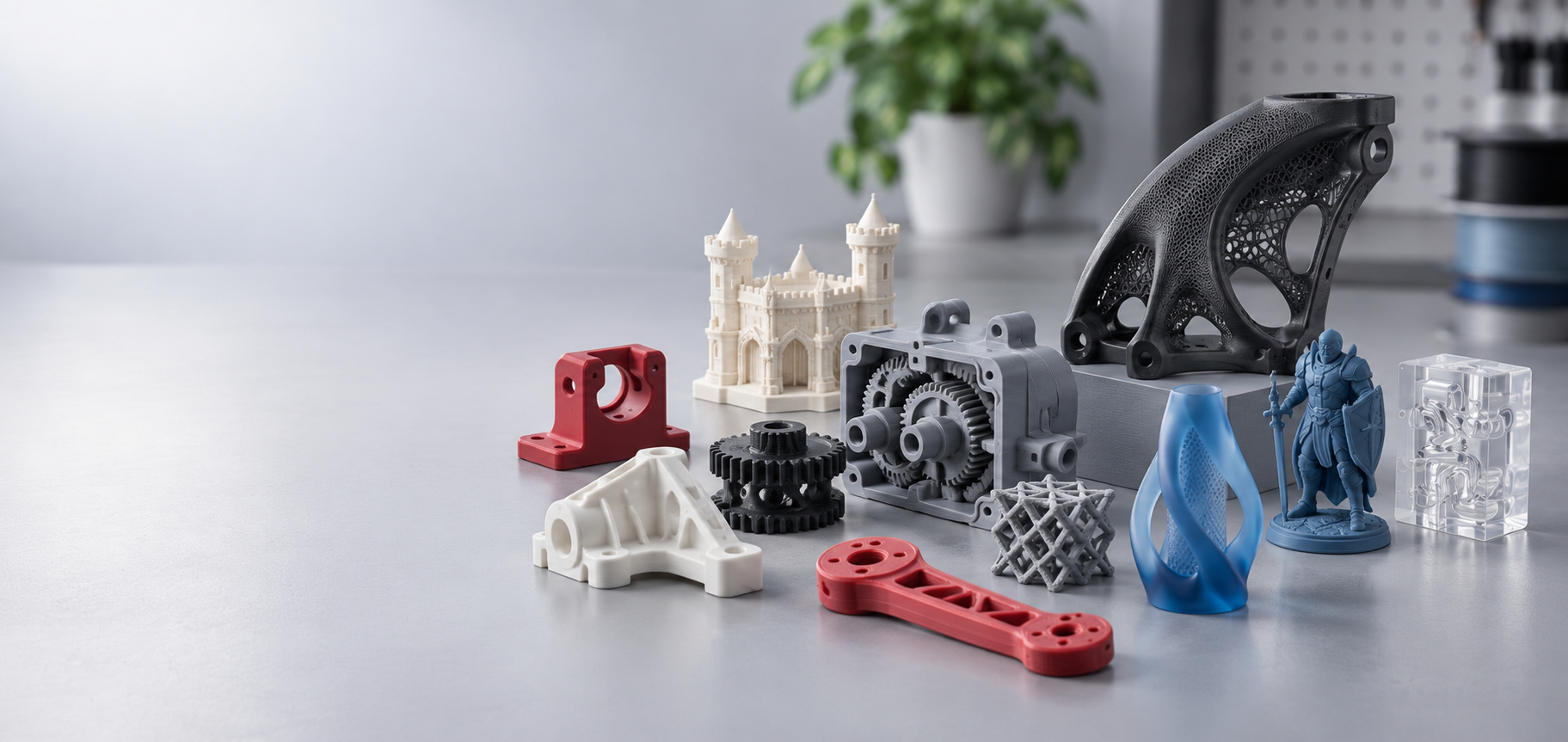
Use FDM 3D Printing for economical plastic prototypes and larger components. Consider SLA or DLP 3D Printing when fine detail and a smoother surface are important. SLS or MJF 3D Printing supports complex nylon parts, and SLM 3D Printing is intended for suitable metal components.
- Select a Material That Matches the Application
Do not select a material based only on its name or price. Compare its strength, stiffness, flexibility, impact resistance, and expected load.
Check whether the part will face heat, chemicals, ultraviolet light, moisture, friction, or repeated movement. Appearance, dimensional stability, electrical behavior, and certification requirements may also influence the choice.
When ordering custom 3D printed parts, give the supplier enough application information to recommend a suitable material and process combination.
- Check Wall Thickness and Small Design Features
Acceptable 3D printing wall thickness varies by technology, material, orientation, geometry, and whether a wall is supported.
Review thin walls, small holes, narrow gaps, pins, raised text, engraved details, and overhangs. These features may print differently from how they appear in the digital model.
Hollow SLS, MJF, or metal parts may also require openings large enough to remove trapped powder. Follow process-specific design guidelines instead of using one minimum thickness for every part.
- Specify Critical Dimensions and Tolerances
Standard process capability may not meet every functional requirement. Identify dimensions that affect mating surfaces, press fits, threaded features, bearings, or assembly alignment.
Provide a technical drawing that clearly marks critical 3D printing tolerances. Avoid applying tight tolerances to every dimension because this may increase inspection requirements, production time, and cost.
If a feature requires greater accuracy than the printing process can provide, ask whether machining, drilling, tapping, or another secondary operation is available.
- Confirm the Required Surface Finish
State whether you need an as-printed part or additional finishing. Available options may include sanding, polishing, dyeing, painting, bead blasting, vapor smoothing, or CNC finishing.
The selected 3D printing surface finish can change the appearance, dimensions, price, and lead time. Confirm how post-processing may affect critical features before approving the order.
- Review the Complete 3D Printing Quote
A 3D printing quote should show more than the base part price. Review:
- Part price and quantity discounts
- Setup, handling, or minimum-order charges
- Finishing and inspection fees
- Shipping and applicable taxes
- Rush-production charges
- Any duties for cross-border delivery
Champ3D applies a $100 minimum-order policy. This requirement should be visible before file upload and beside the quote total so buyers can make an informed decision.
Use Get Instant Quote to calculate an instant 3D printing quote, then check every charge before proceeding to checkout.
- Check Production and Delivery Times
Confirm whether the displayed estimate covers production only or the full period from order approval to delivery.
The schedule may include file review, printing, post-processing, quality inspection, packaging, and US shipping transit time. Rush production may shorten one stage without guaranteeing an earlier arrival if finishing or shipping still requires additional time.
Provide your required delivery date before ordering, especially when the parts are needed for testing, assembly, or a scheduled launch.
- Review Quality and File-Security Policies
Before selecting a custom 3D printing service, review how it manages file checks, inspection, security, and production problems.
Look for:
- Design-for-manufacturing review
- Documented quality inspection
- Material specifications and certifications
- Dimensional inspection options
- Secure design-file handling
- NDA availability
- Clear remake, refund, and support policies
Ask which quality checks are included and which require an additional fee. Replace assumptions with written confirmation for critical parts.
Final Checklist Before You Buy 3D Printed Parts
Before you buy 3D printed parts, confirm that:
- The model is printable and correctly scaled.
- The process and material suit the application.
- Walls and small features meet process guidelines.
- Critical dimensions and tolerances are documented.
- The required finish is confirmed.
- The complete price and delivery date are clear.
- Quality, security, and support policies have been reviewed.
Frequently Asked Questions
Where can I order custom 3D printed parts online?
You can order them through a supplier that supports file uploading, manufacturability review, material selection, quoting, production, inspection, and delivery. Compare process availability, pricing, quality procedures, and customer support before placing an order.
What file format is needed to order a 3D printed part?
STL is widely accepted, but many suppliers also support STEP, OBJ, and 3MF files. The best format depends on the printing process and whether the supplier needs accurate geometry, color, or assembly information.
How much does it cost to order 3D printed parts?
Cost depends on material, process, part volume, quantity, finish, tolerances, inspection, and delivery speed. Review the complete quote for setup, minimum-order, post-processing, shipping, tax, and rush charges.
Will a 3D printing service check my design before production?
Many services provide automated file analysis, and some offer a manual design-for-manufacturing review. Confirm what the review covers because automated checks may not identify every functional, tolerance, assembly, or application-related issue.