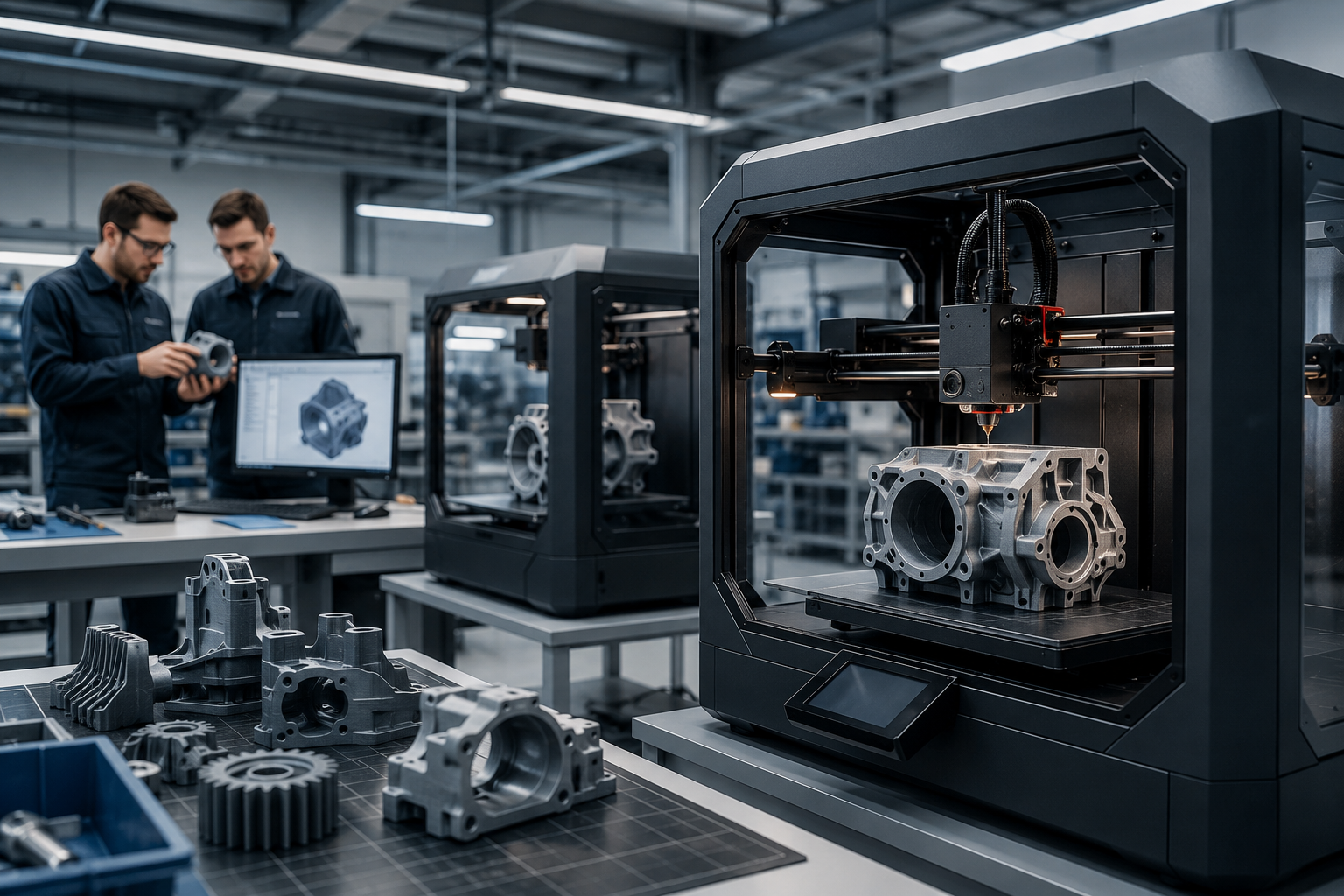

The Ultimate Design for Additive Manufacturing Checklist for Successful 3D Printing
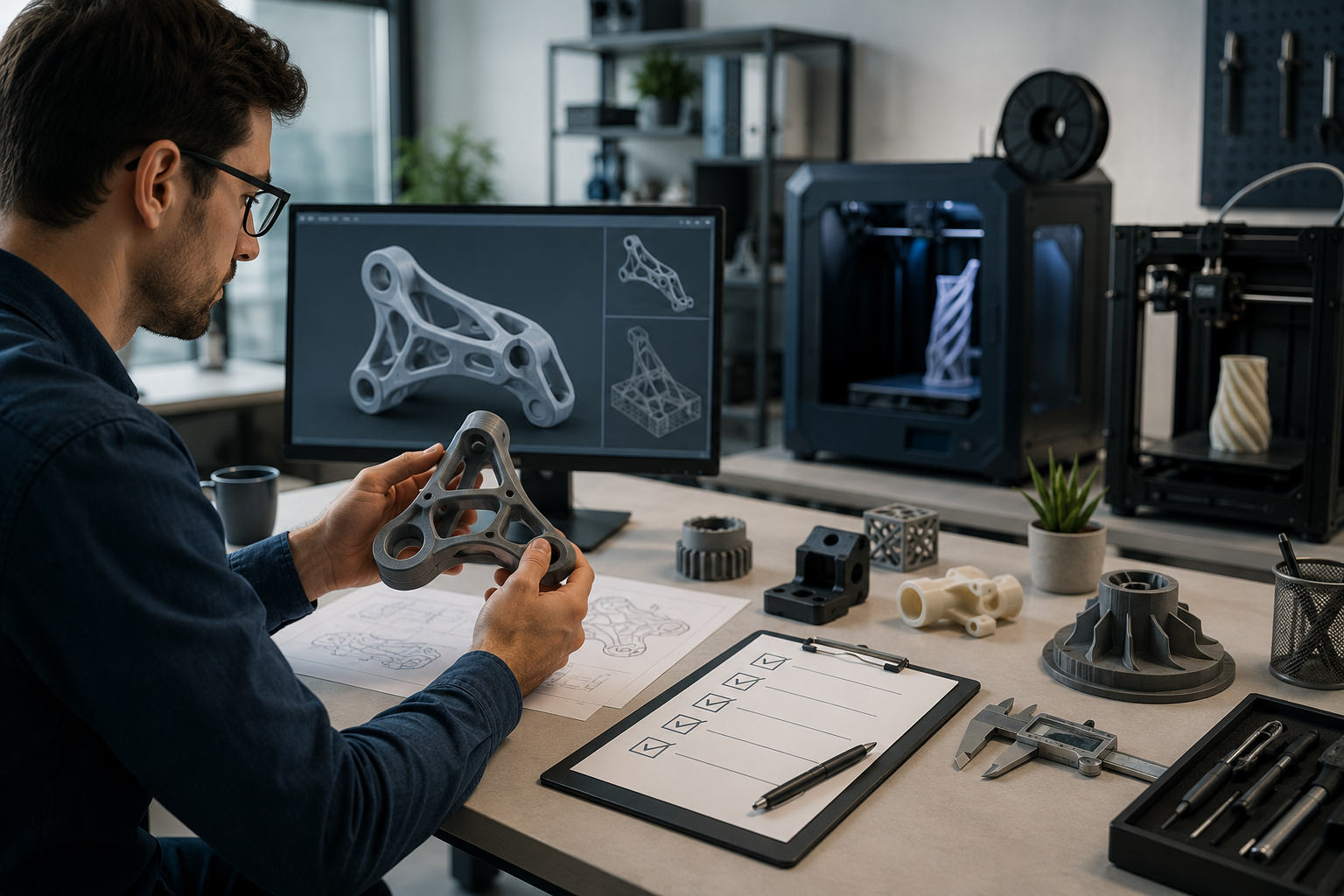
Listen to Content
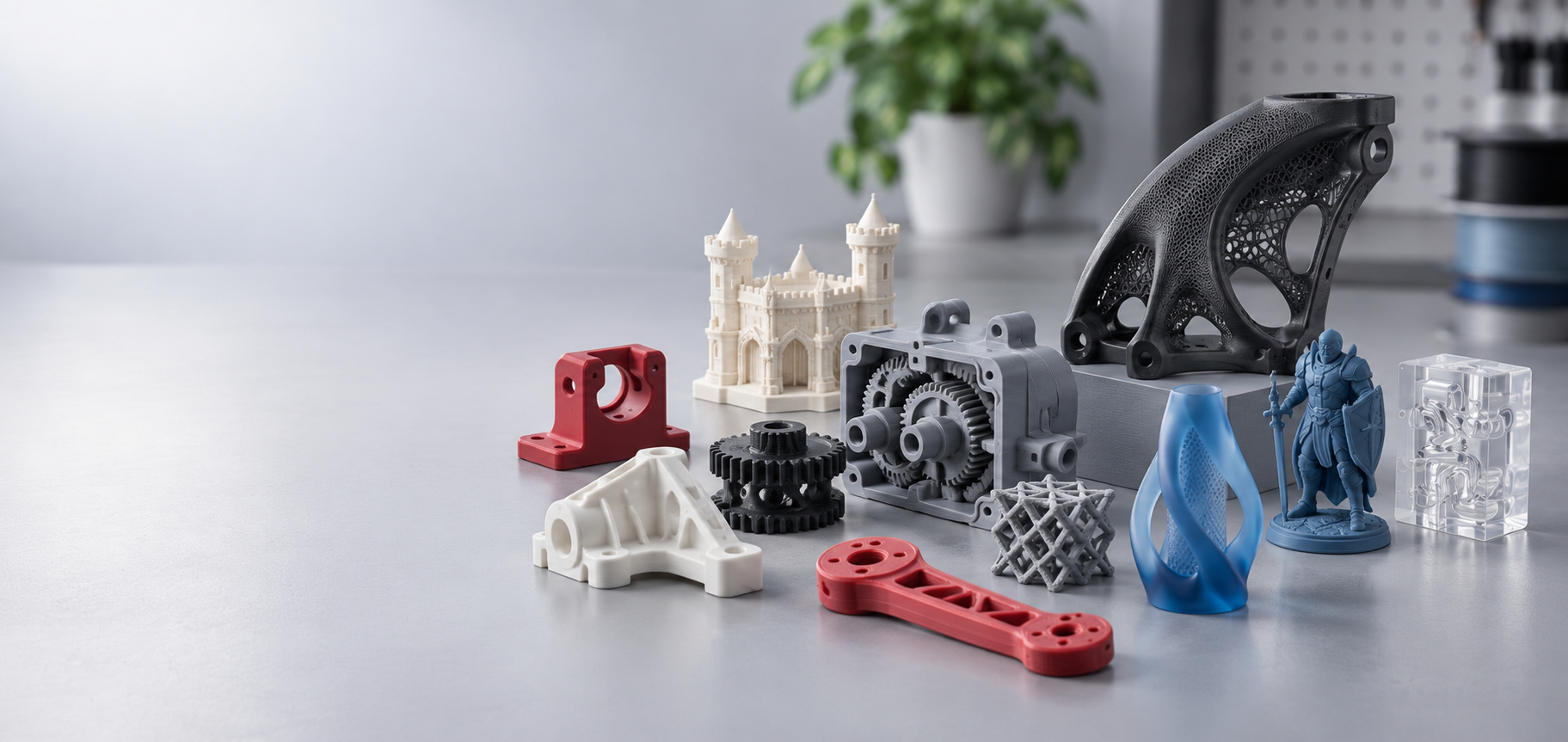
Additive manufacturing has transformed the way products are designed, prototyped, and produced. Unlike traditional manufacturing methods that often require tooling, molds, or extensive machining, additive manufacturing builds parts layer by layer, enabling complex geometries with greater design flexibility. However, achieving high-quality results requires more than simply creating a digital model—it demands a thoughtful approach to design.
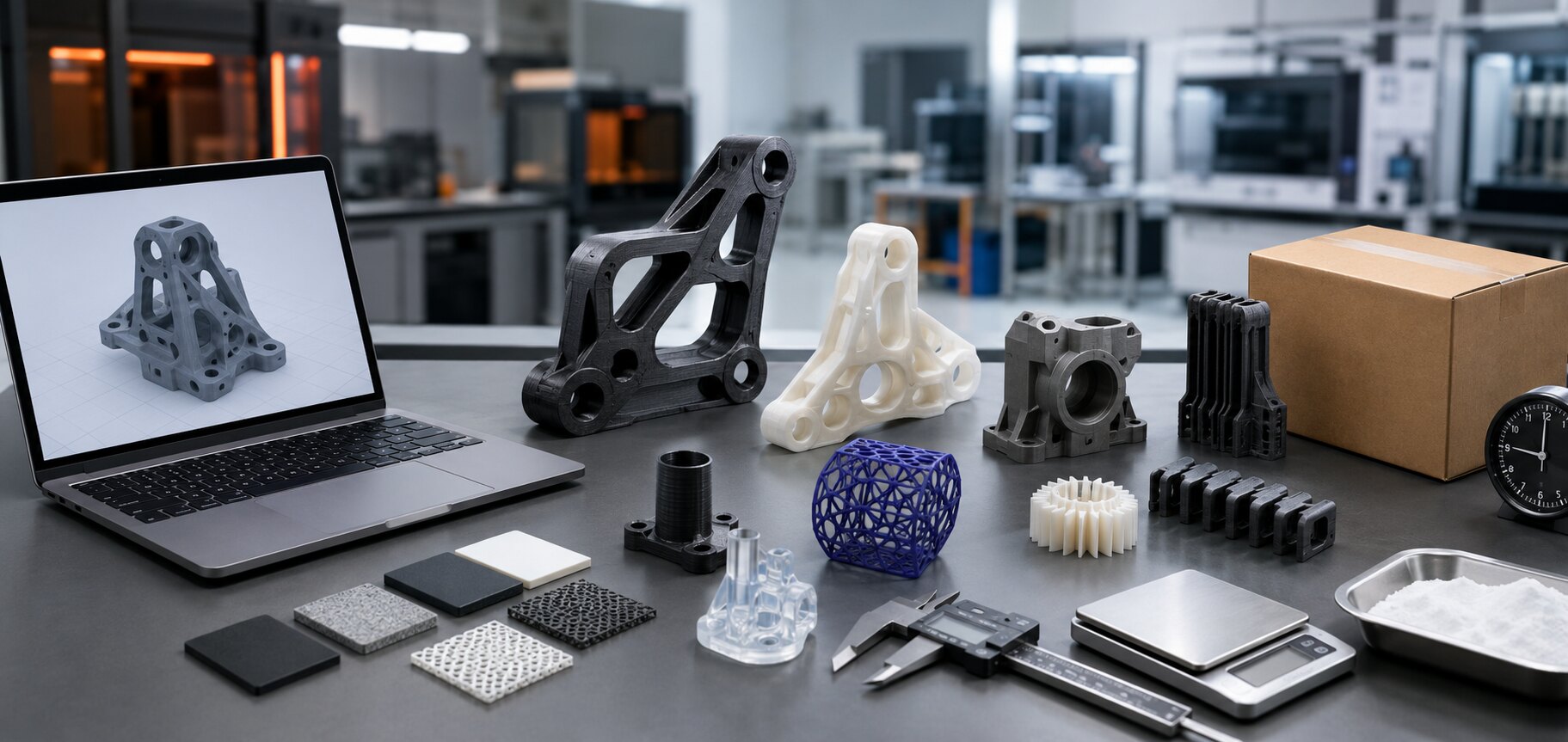
This is where design for additive manufacturing (DfAM) comes into play. DfAM is the process of designing parts specifically to take advantage of additive manufacturing capabilities while minimizing potential production challenges. Whether you're creating prototypes, functional components, or end-use products, following a structured checklist can improve print quality, reduce costs, and shorten production time.
In this guide, we'll walk through the ultimate design for additive manufacturing checklist to help ensure your next 3D printing project is a success.
What Is Design for Additive Manufacturing?
Design for additive manufacturing is a design methodology that optimizes products for 3D printing processes instead of adapting designs originally intended for conventional manufacturing. Rather than working around manufacturing constraints, DfAM embraces the unique possibilities of additive manufacturing, including lightweight structures, internal channels, part consolidation, and customized geometries.
By applying DfAM principles early in the design phase, engineers and product developers can create components that perform better while making production more efficient.
Choose the Right Additive Manufacturing Technology
The first step in any successful project is selecting the appropriate printing process. Different technologies offer varying levels of precision, material compatibility, strength, and surface finish.
Common additive manufacturing methods include:
- Fused Deposition Modeling (FDM)
- Stereolithography (SLA)
- Selective Laser Sintering (SLS)
- Direct Metal Laser Sintering (DMLS)
- Multi Jet Fusion (MJF)
Each technology has different design requirements, making it essential to understand the manufacturing process before beginning the design.
Select the Best Material
Material selection directly impacts strength, flexibility, heat resistance, and durability.
When evaluating materials, consider:
- Mechanical performance
- Environmental conditions
- Chemical resistance
- Weight requirements
- Cost
- Post-processing needs
Designing around the material's characteristics ensures the final part performs as expected in real-world applications.
OptimizePart Orientation
Part orientation significantly influences print quality, strength, support requirements, and build time.
Proper orientation can:
- Improve surface finish
- Reduce visible layer lines
- Increase mechanical strength
- Minimize printing time
- Reduce material waste
A small adjustment in orientation can often save both production time and costs while improving the finished product.
Minimize Support Structures
Many additive manufacturing technologies require support structures to stabilize overhangs during printing.
Excessive supports can:
- Increase material consumption
- Extend print times
- Leave surface imperfections
- Increase post-processing work
Good design for additive manufacturing aims to minimize supports by adjusting angles, redesigning features, or incorporating self-supporting geometries wherever possible.
MaintainAppropriate Wall Thickness
Wall thickness is one of the most important aspects of DfAM.
Walls that are too thin may fail during printing, while excessively thick walls increase material usage and print time.
Designers should:
- Follow printer-specific minimum wall thickness guidelines
- Reinforce high-stress areas
- Avoid unnecessary bulk
Balanced wall thickness helps improve both structural integrity and manufacturing efficiency.
Design for Lightweight Structures
One of the greatest advantages of additive manufacturing is the ability to create lightweight parts without sacrificing strength.
Strategies include:
- Lattice structures
- Honeycomb infill
- Topology optimization
- Hollow sections
These approaches reduce material consumption while maintaining excellent mechanical performance.
ConsolidateMultiple Components
Traditional manufacturing often requires assembling multiple individual parts.
With additive manufacturing, several components can frequently be combined into a single printed part.
Part consolidation offers several benefits:
- Fewer assembly steps
- Reduced inventory
- Improved reliability
- Lower manufacturing costs
- Reduced maintenance requirements
Design for additive manufacturing encourages engineers to rethink traditional assemblies and simplify product architecture.
Account for Tolerances and Clearances
Although modern 3D printers are highly accurate, every process has dimensional limitations.
When designing moving or mating components, include proper clearances to ensure smooth operation after printing.
Important considerations include:
- Fit between assembled parts
- Thermal expansion
- Material shrinkage
- Machine accuracy
- Surface finishing allowances
Careful tolerance planning reduces the need for costly redesigns.
Reduce Material Usage
Efficient material usage lowers production costs while improving sustainability.
Design techniques include:
- Removing unnecessary solid volumes
- Using optimized infill
- Creating internal cavities
- Eliminating redundant features
Design optimization often produces lighter, stronger, and more economical components.
Plan forPost-Processing
Very few 3D printed parts come directly off the printer ready for use.
Common post-processing methods include:
- Support removal
- Sanding
- Polishing
- Machining
- Heat treatment
- Painting
- Surface coating
Designing with these finishing steps in mind prevents difficult-to-reach surfaces and minimizes extra labor.
Test and Iterate
Rapid iteration is one of additive manufacturing's biggest advantages.
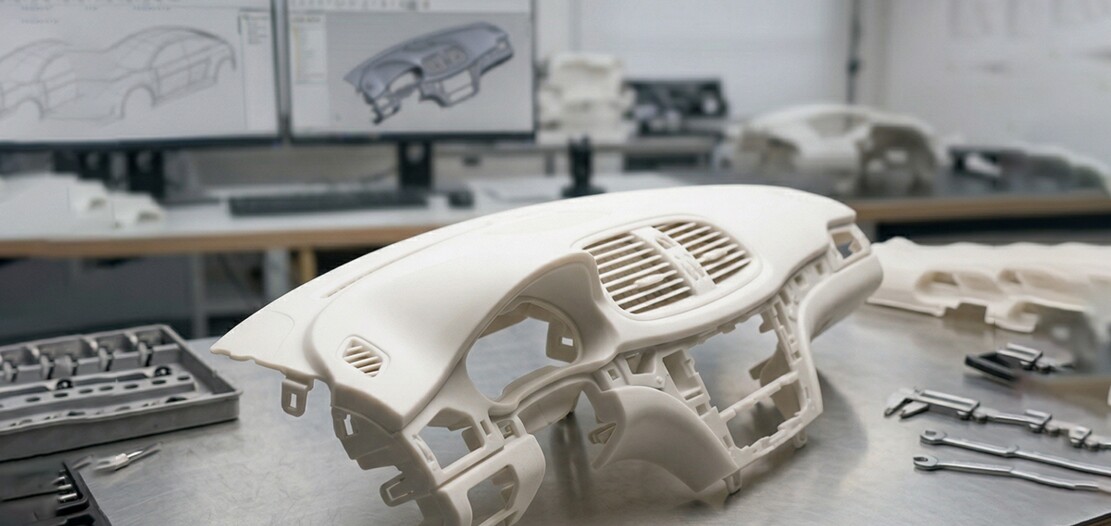
Instead of waiting weeks for tooling, designers can quickly produce prototypes, evaluate performance, and improve designs.
Testing should focus on:
- Mechanical strength
- Dimensional accuracy
- Functional performance
- User experience
- Assembly compatibility
Each design iteration provides valuable insights that improve the final product.
Consider Production Volume
Although additive manufacturing excels at prototyping and low-volume production, it is increasingly used for production applications as well.
Design decisions should account for:
- Production quantity
- Lead time
- Cost per part
- Material availability
- Manufacturing scalability
Understanding production goals helps determine the most efficient design strategy.
Collaborate with Experienced Manufacturing Partners
Even well-designed models benefit from expert review before production begins. Experienced additive manufacturing providers can identify opportunities to improve printability, reduce costs, and enhance overall part performance.
If your project requires specialized manufacturing expertise, working with a trusted provider of custom 3d printing services can help optimize designs, select suitable materials, and ensure consistent production quality from prototype through final manufacturing.
Common Design for Additive Manufacturing Mistakes
Avoid these common pitfalls:
- Designing parts exactly as they would be machined
- Ignoring printer limitations
- Using incorrect wall thicknesses
- Overlooking support removal
- Choosing unsuitable materials
- Neglecting tolerances
- Failing to optimize orientation
- Skipping prototype testing
Recognizing these issues early can save significant time and production costs.
Final Thoughts
Successful additive manufacturing begins long before the printer starts building layers. By following proven design for additive manufacturing principles, engineers and designers can create parts that are lighter, stronger, more efficient, and easier to manufacture.
From selecting the right material and optimizing orientation to minimizing supports and planning for post-processing, every design decision contributes to better print quality and lower production costs. As additive manufacturing continues to evolve across industries, mastering DfAM is becoming an essential skill for anyone looking to maximize the full potential of 3D printing.
Whether you're developing prototypes, functional components, or production-ready parts, using this checklist as part of your design process will help deliver more reliable, cost-effective, and high-performing results.