
Best 3D Printer for Beginners: A Simple Guide Before You Buy Your First Machine
Listen to Content
The best 3D printer for beginners is not always the most expensive one, the fastest one, or the one with the longest feature list. It is the one that helps you print successfully without making the learning process feel frustrating.
Buying your first 3D printer can be exciting, but it can also feel confusing. You may see terms like FDM, resin, auto-leveling, enclosed frame, slicer software, build volume, and filament type before you even choose a model.
This guide will help you understand what matters, which printer companies are worth knowing, and when it makes more sense to order finished parts instead of buying a machine right away.
What Makes a 3D Printer Beginner Friendly?
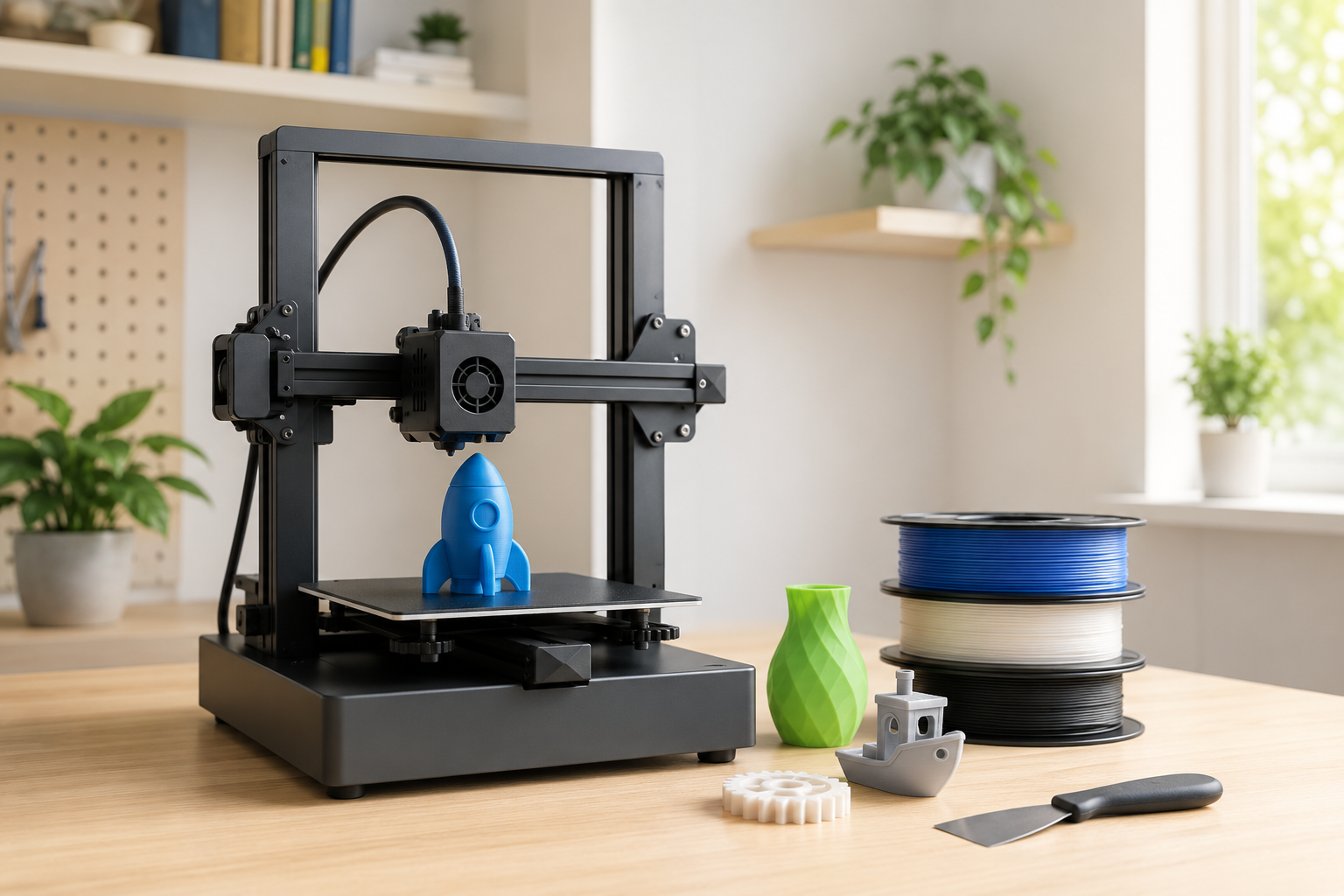
A beginner-friendly 3D printer should make setup, printing, and basic maintenance easy. It should not require hours of tuning before your first print. Features like automatic bed leveling, simple filament loading, a guided setup screen, and reliable print profiles can save new users a lot of time.
Safety also matters. If the printer will be used at home, in a classroom, or around kids and teens, an enclosed design can be helpful. It keeps hands away from moving parts and hot surfaces. It can also help control print temperature, which may improve results with certain materials.
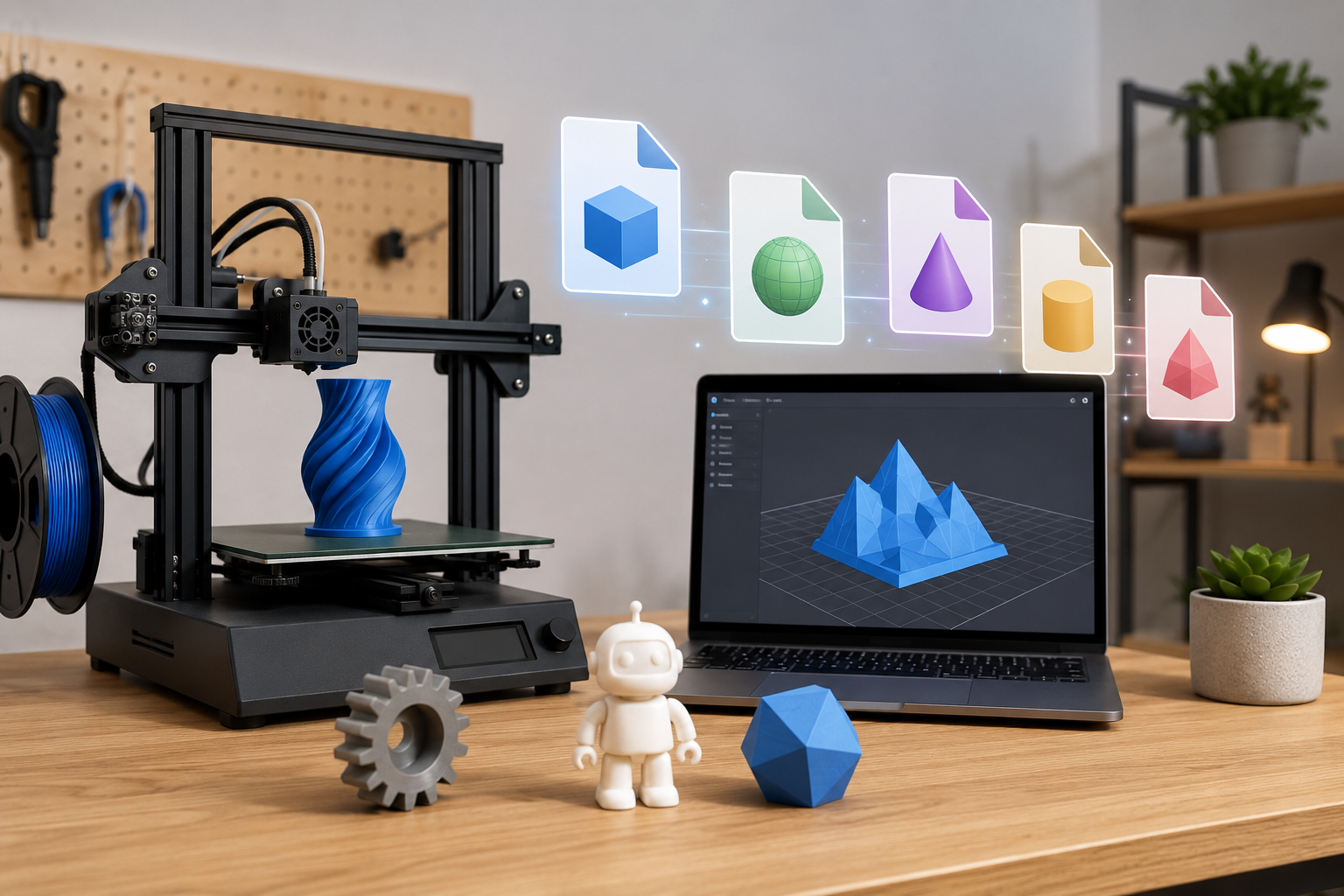
Software is another big part of the buying decision. A good beginner printer should work with easy slicing software. The slicer turns your 3D model into printer instructions. If the software feels too technical, even a good printer can become hard to enjoy.
Start With the Type of Printing Technology
Before choosing a printer, it helps to understand the main printing methods. The most common choice for beginners is FDM 3d printing, which stands for fused deposition modeling. This process uses plastic filament, melts it, and builds the object layer by layer. It is popular because the machines are widely available, the materials are affordable, and the learning curve is easier than resin printing.
SLA 3d printing uses a laser to cure liquid resin into solid layers. It is great for smooth surfaces, fine details, miniatures, dental models, jewelry prototypes, and design pieces. The tradeoff is that resin printing needs cleaning, curing, gloves, and better ventilation. For a first printer, it may feel like too much unless you specifically need very fine detail.
DLP 3d printing is also resin-based, but it cures each layer using projected light. It can produce sharp details and may be faster for certain small parts. Like SLA, it needs careful handling and post-processing. Beginners who want simple, everyday printing usually start with FDM first and explore resin technologies later.
Best Printer Features to Look for First
The best 3D printer for beginners should reduce the number of mistakes that happen during setup and early printing. Look for automatic bed leveling first. A poorly leveled bed is one of the most common reasons prints fail. Auto leveling helps the printer adjust the distance between the nozzle and print surface.
Next, check the build volume. This tells you how large your printed object can be. A small build volume is fine for toys, small models, keychains, brackets, and desk items. A larger build volume is better for cosplay props, product prototypes, home repair parts, and bigger design pieces.
You should also look for filament runout detection. This feature pauses the print when filament runs out. Power loss recovery is useful too, especially for longer prints. A removable magnetic print plate can make it much easier to remove finished parts without damaging them.
Speed sounds exciting, but reliability matters more for a first printer. A fast machine is only useful if it prints accurately and consistently.
Printer Companies Worth Knowing
Several printer companies have become popular with new users because they offer easier setup and strong community support.
Bambu Lab is often recommended for beginners who want a more polished experience. Models like the A1 Mini and A1 series are known for easy setup, fast printing, and helpful automation. They can be a strong pick for users who want fewer manual adjustments.
Creality is one of the most recognized names in budget 3D printing. Printers like the Ender series helped many hobbyists get started. Newer Creality models have improved automation and speed, making them more beginner-friendly than older kits.
Prusa is known for dependable machines, open materials, and strong support. Prusa printers often cost more than budget models, but many users like them for long-term reliability and repairability.
Anycubic offers a wide range of FDM and resin printers. It is a good brand to explore if you want value, decent features, and choices across different budgets. Elegoo is known for resin printers and affordable FDM options. For beginners interested in miniatures, figures, and detailed display models,
Elegoo’s resin printers often come up in research. Flashforge is a good name to know for enclosed beginner printers. Some models are designed for classrooms, families, and users who prefer a cleaner plug-and-play setup.
Toybox is geared more toward kids and families. It is not meant for advanced engineering projects, but it can be a fun starter option for simple creative prints.
Should Beginners Buy a Printer or Order Printed Parts?
Buying a 3D printer makes sense if you want to learn the process, test ideas often, or print for a hobby. It can be fun and useful if you enjoy hands-on work. You will learn about materials, model preparation, print settings, failures, fixes, and finishing.
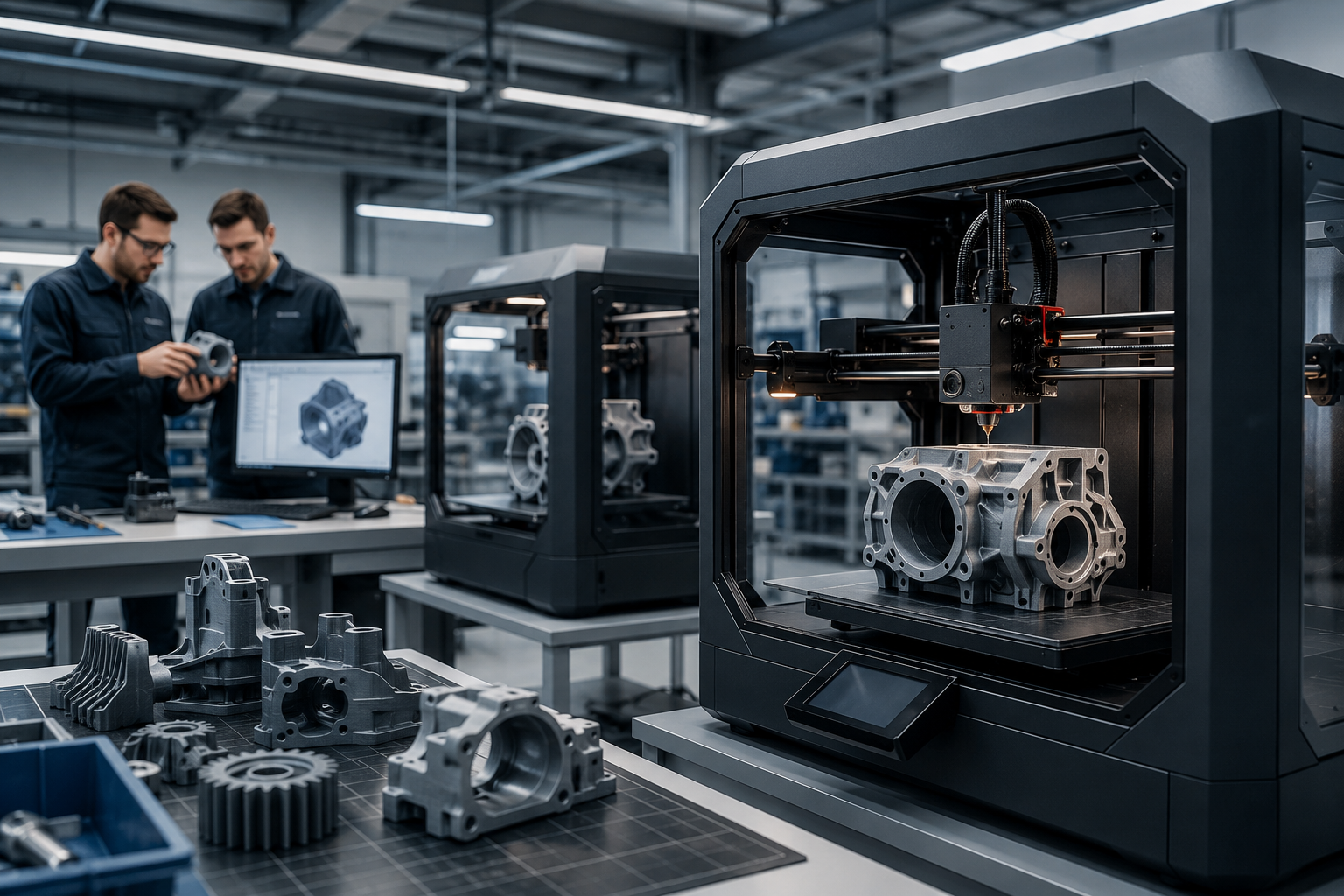
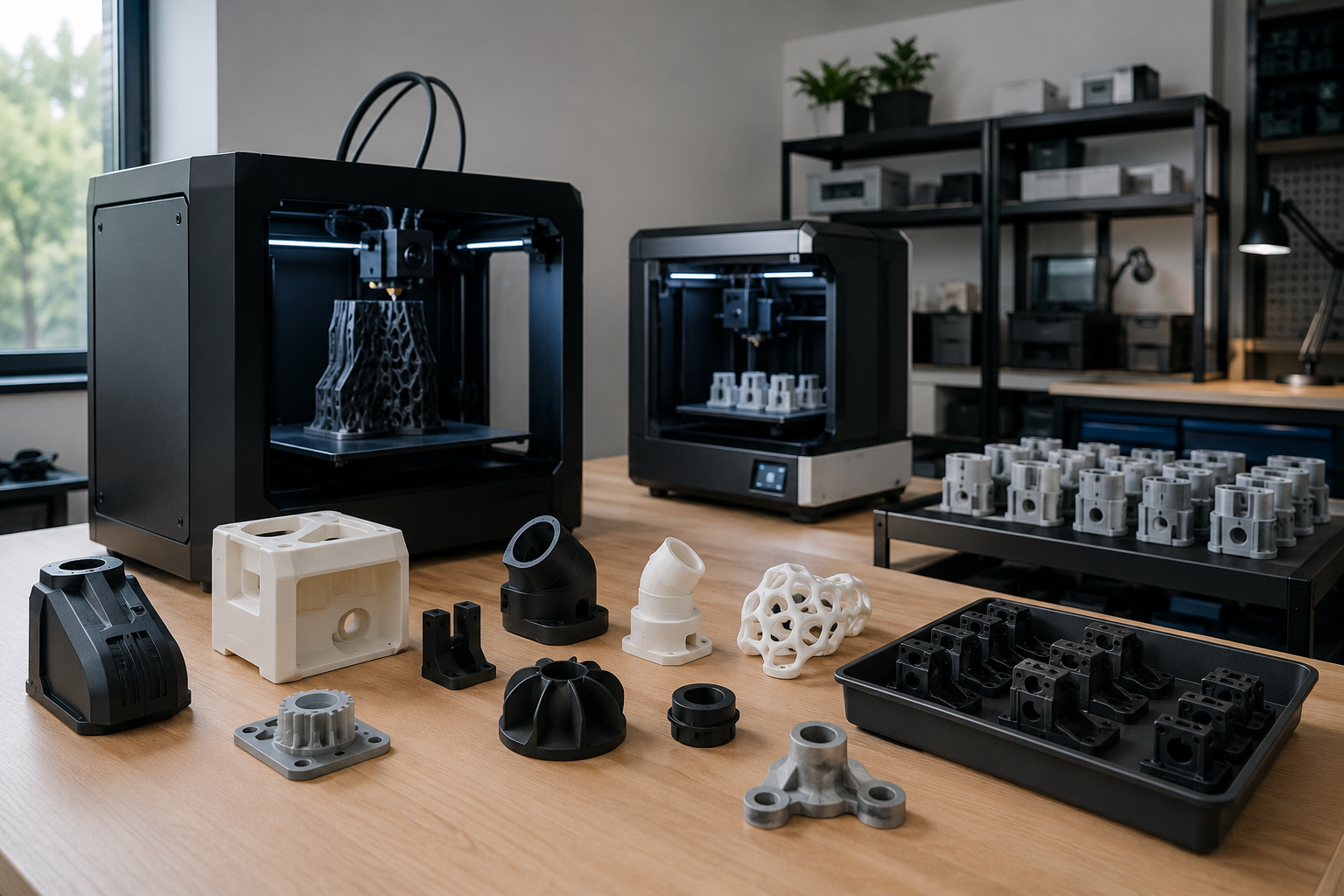
Ordering parts makes more sense if you need a clean result without spending time on setup. Many beginners underestimate the time involved in tuning, failed prints, material waste, and post-processing. If you need functional prototypes, replacement parts, display models, product samples, or small production runs, ordering custom 3D printed parts can be the smarter first step.
This is especially true if your part needs a specific material, tight tolerance, smooth finish, or professional review before printing. In that case, using an instant 3D printing quote can help you check pricing quickly before investing in your own machine.
Good Starter Projects for New 3D Printer Users
Beginner projects should be simple, useful, and easy to print. Start with small items like keychains, phone stands, cable clips, bag tags, drawer organizers, plant markers, small toys, and desk accessories. These prints help you learn the basics without wasting too much material.
Once you feel comfortable, try practical parts. You can print wall hooks, camera mounts, tool holders, knobs, brackets, and simple replacement pieces. These projects teach you how strength, print direction, infill, and material choice affect the final part.
Avoid very tall, thin, or complex prints at the start. Also avoid designs with too many unsupported sections. Simple shapes are better for learning because you can see what went right or wrong more clearly.
When Beginner Printing Turns into Real Product Development
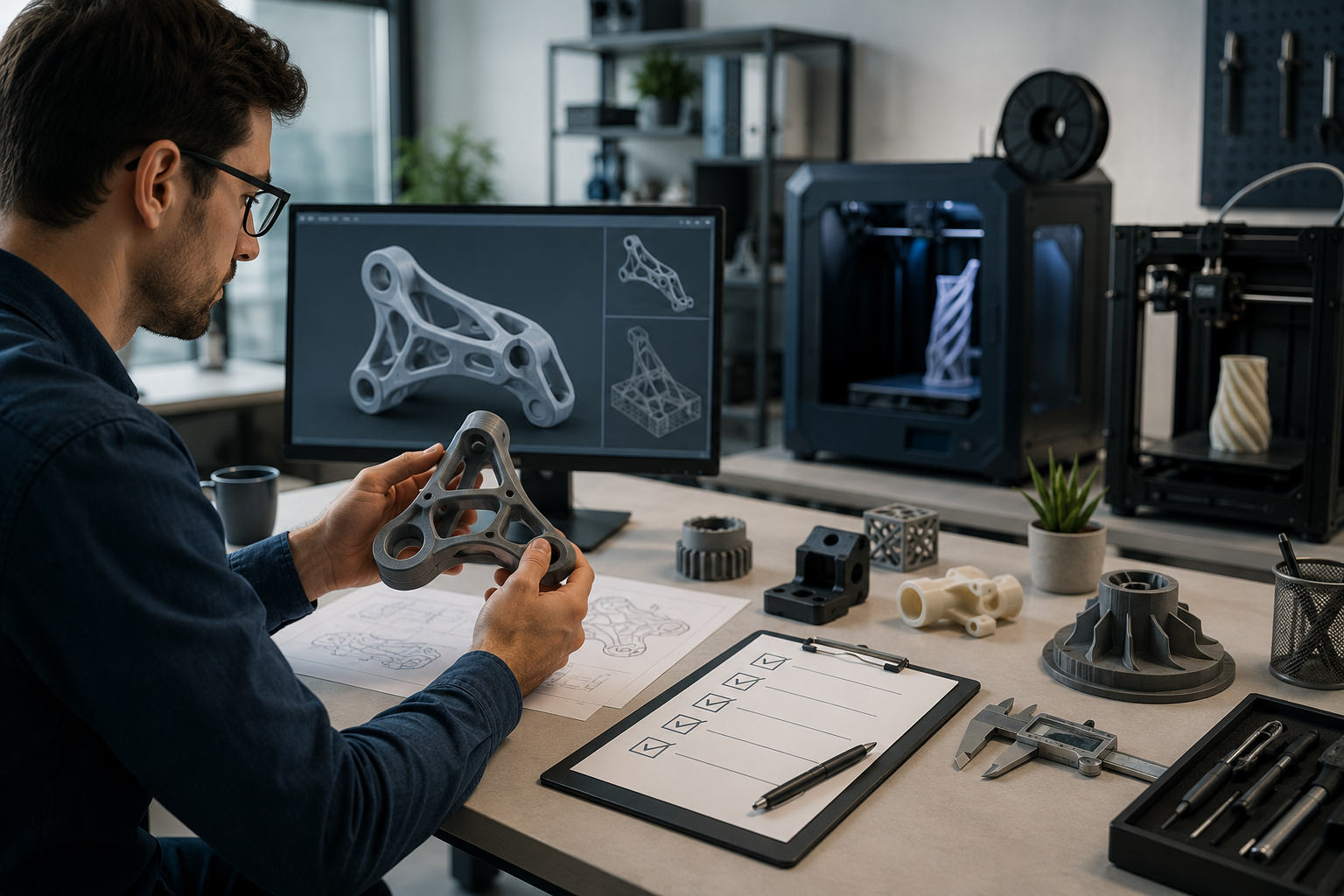
Many people start 3D printing for fun, then discover that it can support real product ideas. A simple desk accessory can become a sellable item. A broken plastic part can become a better redesigned component. A rough sketch can become a prototype that helps you test size, fit, and function.
This is where the best 3D printer for beginners becomes a starting point rather than the final answer. Your first machine teaches you the basics, but professional printing services can support more demanding needs as your projects grow.
It also helps to keep learning about where the industry is heading. Materials, print speed, automation, AI-assisted modeling, and hybrid manufacturing are changing how people use 3D printing. Reading about the Future of 3D Printing can help beginners understand how today’s small hobby prints connect to tomorrow’s production methods.
Your first 3D printer should match your comfort level, space, budget, and project goals. For most beginners, an FDM printer is the easiest place to start because it is affordable, practical, and simpler to maintain than resin printing. Brands like Bambu Lab, Creality, Prusa, Anycubic, Elegoo, Flashforge, and Toybox all offer options for different types of users.
If you want to learn, experiment, and enjoy the hands-on process, buying a beginner printer can be a great choice. If you need accurate, finished parts without the trial and error, ordering from a 3D printing service may save time and give you better results. The right choice depends on whether you want to learn the machine or simply get the part made.