
Everything You Need to Know About Low Volume 3D Printing Production
Listen to Content
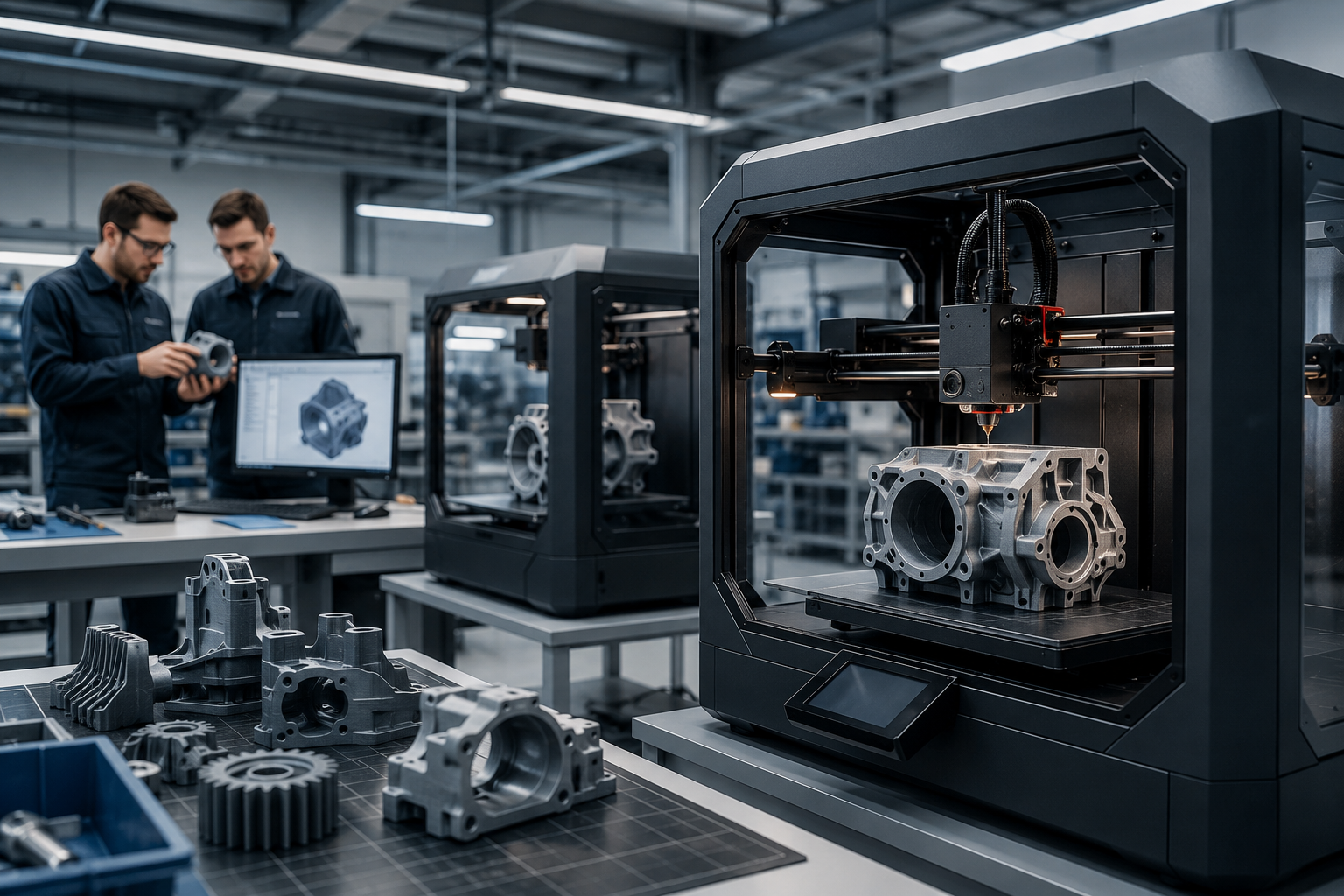
Manufacturing has evolved rapidly over the past decade, giving 3d printing businesses access to innovative production methods that prioritize speed, flexibility, and cost efficiency. Among these advancements, low volume 3D printing production has emerged as a practical solution for companies that need small batches of high-quality parts without investing in expensive tooling or large-scale manufacturing processes.
Whether you're developing prototypes, launching a new product, or fulfilling customized orders, additive manufacturing provides the freedom to produce parts on demand while reducing waste and shortening lead times. As industries continue embracing digital manufacturing, understanding how this production method works can help businesses make informed decisions.
What Is Low Volume 3D Printing Production?
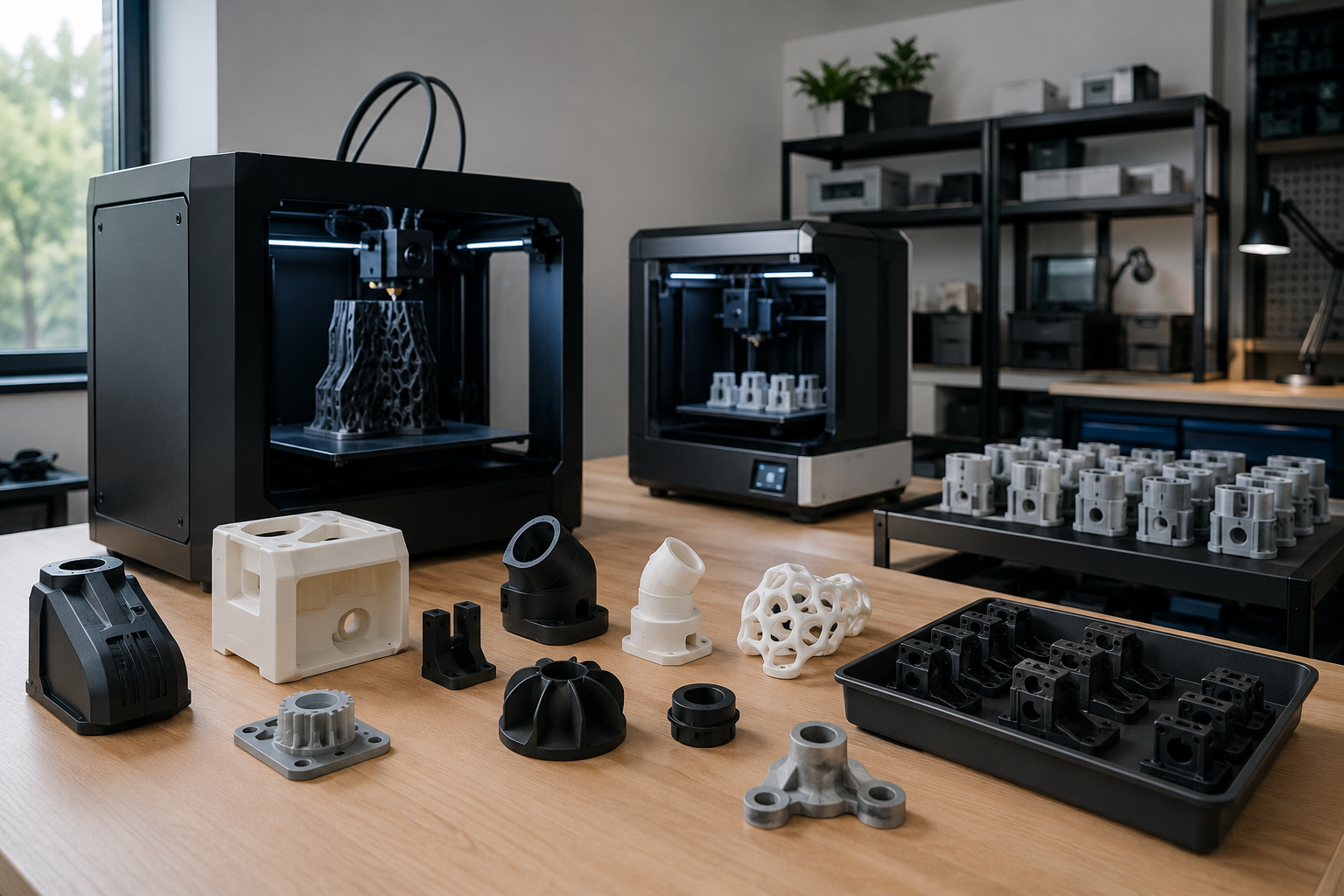
Low-volume production refers to manufacturing a limited number of parts—typically anywhere from a few units to several thousand—without the high setup costs associated with traditional manufacturing methods like injection molding.
Unlike conventional manufacturing, which often requires costly molds and lengthy preparation, low volume 3D printing production builds components layer by layer directly from a digital design. This eliminates tooling expenses and makes it possible to manufacture parts quickly, even when design modifications are required.
For startups, engineers, and manufacturers, this approach bridges the gap between prototyping and mass production while maintaining exceptional design flexibility.
Why Businesses Choose 3D Printing for Low-Volume Manufacturing
The growing popularity of 3D printing technologies in manufacturing stems from its ability to solve several production challenges like SLA, FDM and DLP. Instead of waiting weeks or months for tooling, businesses can begin production almost immediately after finalizing a design.
Some of the biggest advantages include:
- Faster turnaround times
- Lower upfront investment
- Reduced material waste
- Easy design modifications
- High customization capabilities
- No minimum order quantities
These benefits make additive manufacturing especially valuable for industries where innovation and rapid product development are essential.
Key Benefits of Low-Volume Production
1. Reduced Manufacturing Costs
Traditional production methods require tooling, molds, and specialized equipment before manufacturing even begins. These upfront investments make small production runs financially impractical.
With additive manufacturing, businesses eliminate tooling costs entirely, allowing them to produce only the parts they actually need.
2. Faster Product Development
Speed is often the deciding factor when bringing a new product to market. Since digital files can be sent directly to production, manufacturers significantly reduce lead times.
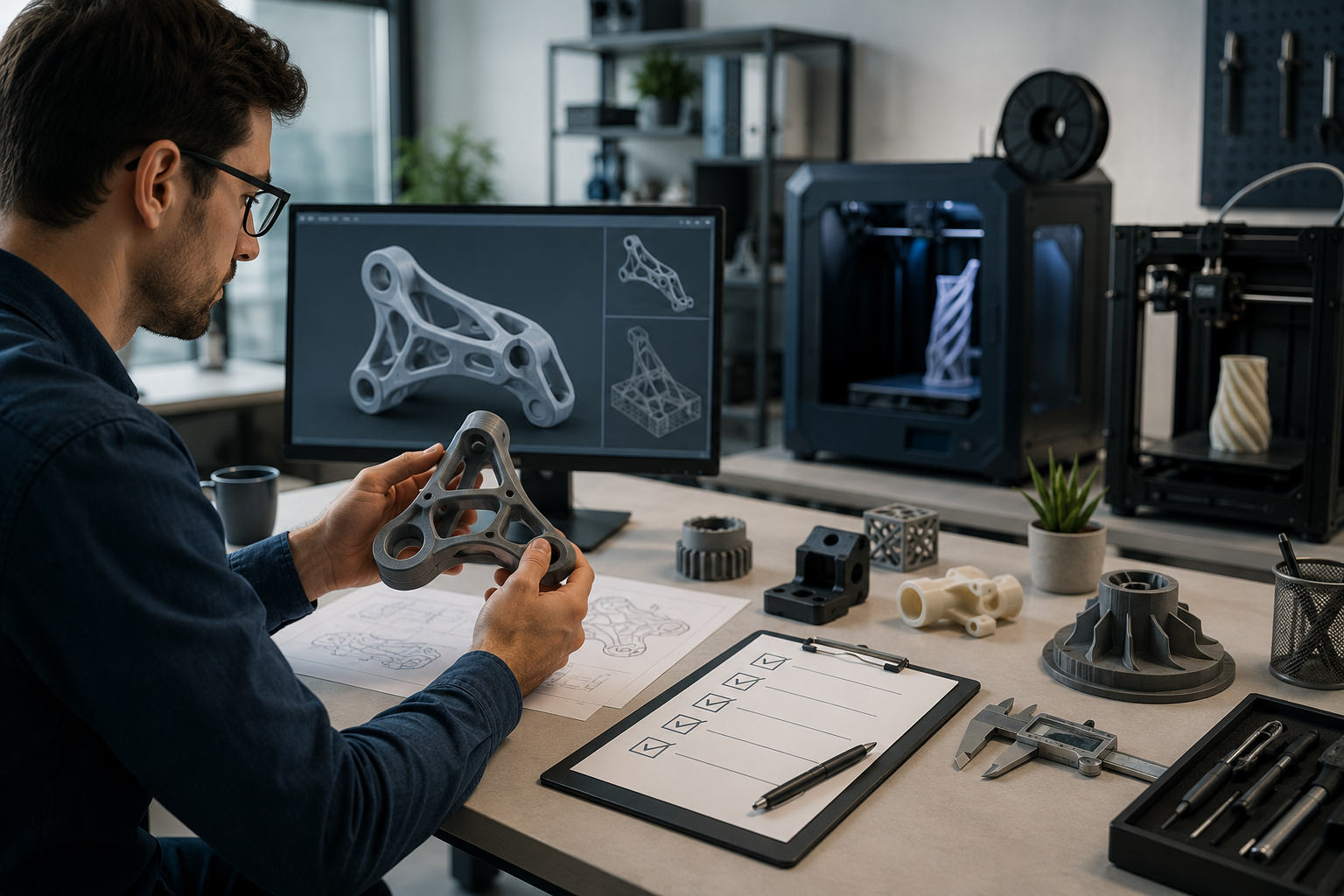
Engineers can also evaluate physical parts quickly, identify design improvements, and move seamlessly into production without switching manufacturing methods.
3. Design Freedom
Complex geometries that are difficult—or even impossible—to manufacture using conventional techniques can often be produced with additive manufacturing. Internal channels, lightweight lattice structures, intricate curves, and customized features become much easier to create without increasing production complexity.
4. On-Demand Manufacturing
Instead of maintaining large inventories, companies can manufacture parts only when customer demand exists. This reduces storage costs, minimizes obsolete inventory, and improves overall supply chain efficiency.
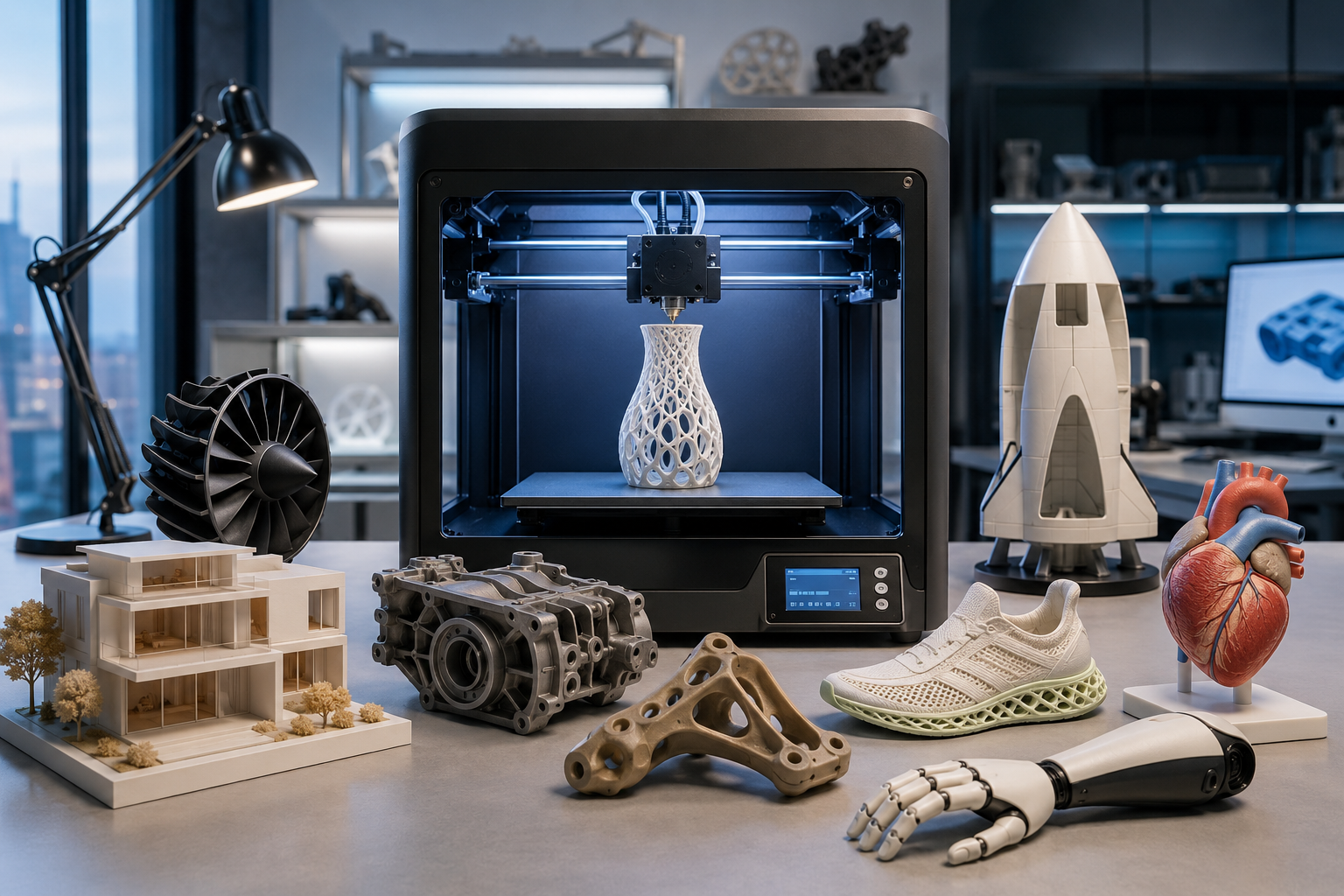
Industries That Benefit from Low-Volume Production
Several industries rely on additive manufacturing to produce functional components in limited quantities.
Automotive
Automotive manufacturers use low-volume production for custom fixtures, replacement parts, prototype components, and specialty vehicle projects.
Aerospace
Weight reduction and precision are critical in aerospace manufacturing. Additive manufacturing enables engineers to create lightweight yet durable parts while reducing material waste.
Medical
Healthcare organizations use customized surgical guides, prosthetics, dental components, and patient-specific medical devices that require personalized production rather than mass manufacturing.
Consumer Products
Companies launching new consumer products often begin with low-volume production before scaling to higher quantities. This approach allows businesses to validate product performance while minimizing financial risk.
Materials Used in Low-Volume 3D Printing
Modern additive manufacturing supports a wide range of production materials depending on the application's requirements.
Common materials include:
- Engineering plastics
- Nylon
- ABS
- PLA
- Resin
- Stainless steel
- Aluminum
- Titanium
- Carbon fiber-reinforced composites
- Selecting the right material depends on factors such as durability, flexibility, heat resistance, surface finish, and intended use.
When Should You Choose Low-Volume 3D Printing Production?
This manufacturing method is ideal when:
- You need functional prototypes.
- Products require frequent design changes.
- Production quantities are relatively small.
- Tooling costs are too expensive.
- Time-to-market is a priority.
- Parts require customization.
For many businesses, it serves as an efficient bridge between prototype development and full-scale manufacturing.
How to Get Started
The process is surprisingly straightforward. First, create a detailed model of your component. Next, select the most suitable material and printing technology based on your performance requirements. Once your design is finalized, you can request an Instant 3D printing quote to estimate production costs, turnaround time, and material options before manufacturing begins.
Many professional service providers also offer design optimization support to ensure parts are manufactured efficiently while maintaining structural integrity.
Challenges to Consider
Although additive manufacturing offers numerous advantages, it is important to recognize its limitations.
For very large production volumes, traditional manufacturing methods may still provide lower per-unit costs once tooling expenses are distributed across thousands of parts.
Additionally, material selection and surface finishing requirements vary depending on the printing technology being used. Some applications may require post-processing, machining, or polishing to achieve the desired finish.
Carefully evaluating production goals, performance requirements, and budget helps determine whether additive manufacturing is the right solution.
The Future of Manufacturing
As additive manufacturing technologies continue advancing, production speeds, material capabilities, and automation are improving rapidly. Artificial intelligence, digital manufacturing workflows, and advanced materials are making small-batch production more accessible than ever before.
Many experts believe the Future of 3D printing will include greater adoption across industries, localized manufacturing, sustainable production methods, and increasingly sophisticated end-use components. These innovations will further strengthen the role of additive manufacturing in modern supply chains.
Conclusion
Manufacturers today need production methods that balance speed, quality, and cost-effectiveness. Low volume 3D printing production offers an ideal solution for businesses seeking flexibility without the financial burden of traditional tooling.
From accelerating product development to enabling customized manufacturing and reducing inventory costs, additive manufacturing continues to reshape how products move from concept to reality. Whether you're producing prototypes, specialty components, or limited production runs, this technology provides a scalable and efficient manufacturing strategy that supports innovation while helping businesses respond quickly to changing market demands.