
3D Printing Applications: How Industries Use 3D Printing Today
Listen to Content
3D printing applications are no longer limited to hobby models, classroom demos, or small plastic toys. Today, companies use 3D printing to design better products, test ideas faster, reduce tooling costs, and make custom parts without waiting for traditional manufacturing setups.
From healthcare and automotive to architecture, education, consumer goods, and industrial production, 3D printing has become a practical way to turn digital designs into physical parts. It helps teams move from an idea to a usable object with more speed and flexibility. For businesses, that can mean faster product launches, less material waste, and better control over part design.
What Makes 3D Printing Useful Across Industries?
The biggest advantage of 3D printing is flexibility. Traditional manufacturing often needs molds, tooling, machining, or large production runs before a part becomes cost-effective. 3D printing removes many of those early barriers. A designer can create a file, test a shape, adjust the design, and print a new version without starting from scratch.
This makes it especially useful for custom and low-volume projects. A company may need one prototype, ten test parts, or fifty custom components. With 3D printing, those parts can be made without the long setup time often linked with traditional methods.
It also allows complex shapes that may be difficult or costly to produce through older manufacturing processes. Internal channels, lightweight structures, curved geometries, and part consolidation are all easier to explore. Instead of assembling several pieces, engineers can sometimes print one complete part.
Product Design and Rapid Prototyping
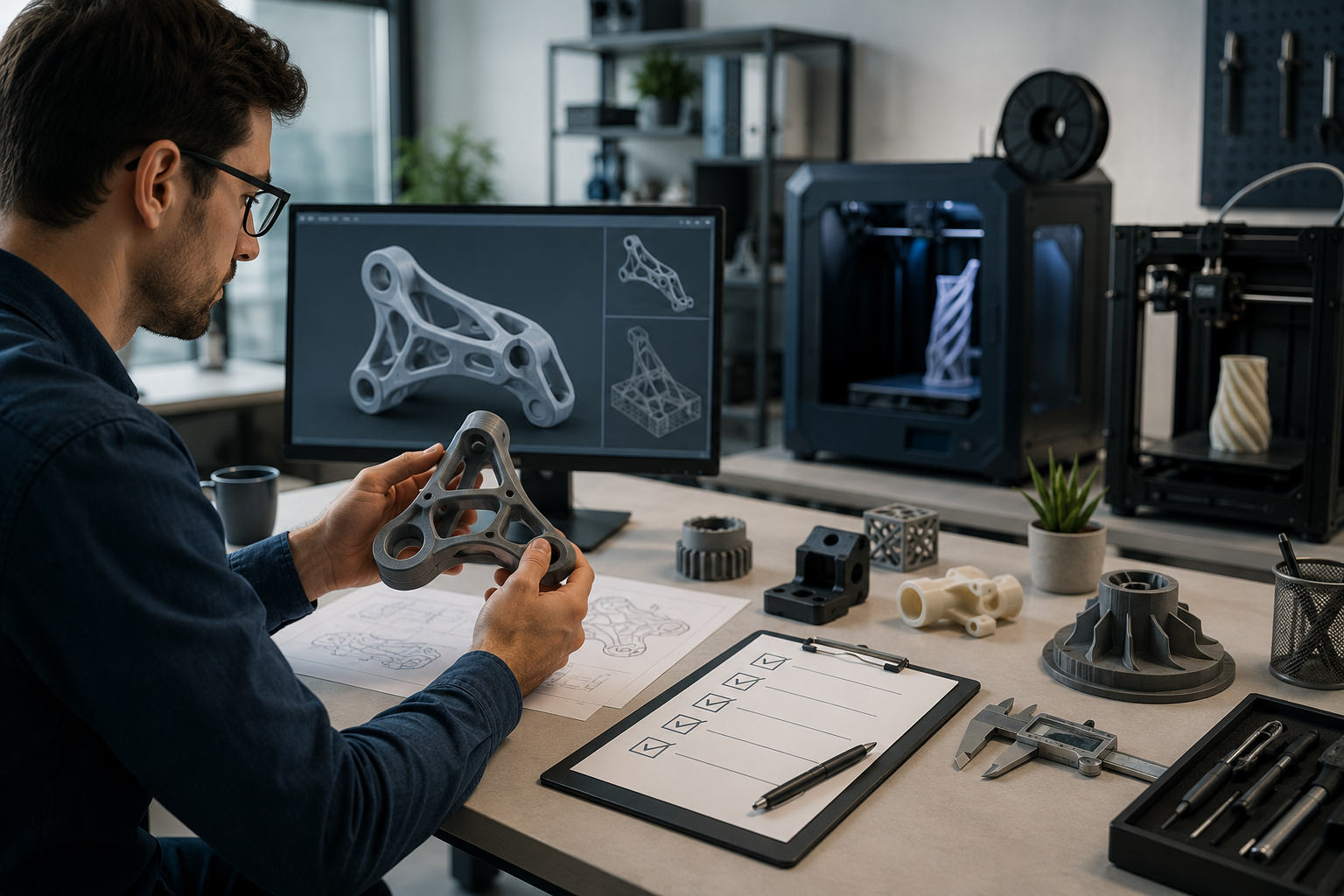
Product design is one of the most common uses of 3D printing. Before a product reaches the market, teams need to test its size, shape, feel, fit, and function. A digital render can show how something looks, but a physical prototype helps people understand how it works in real life.
Designers use 3D printed prototypes to check ergonomics, assembly, surface details, and user comfort. For example, a company designing a handheld device can print several versions to test grip, button placement, and overall size. These early models help teams find design issues before spending money on molds or mass production.
Rapid prototyping also helps with communication. When clients, investors, or team members can hold a part in their hands, feedback becomes clearer. A real model can show scale, design intent, and product direction better than a flat screen image.
Businesses that want to understand the full service process can refer to A Complete Guide for 3D Printing before choosing materials, finishes, or production methods.
Manufacturing, Tooling, Jigs, and Fixtures
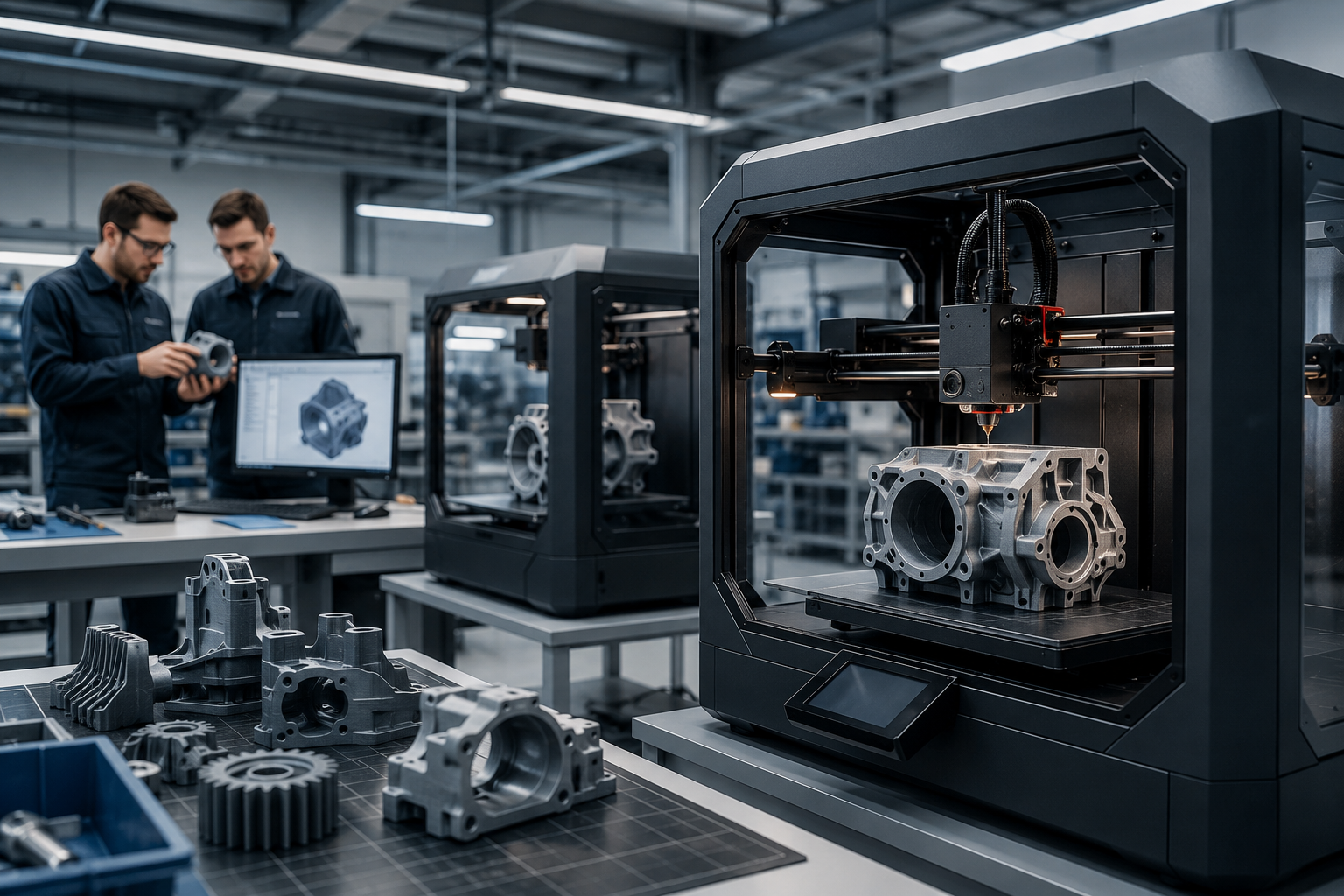
Manufacturing teams use 3D printing for more than prototypes. Many factories use printed parts for jigs, fixtures, gauges, guides, and assembly aids. These tools help workers place, hold, measure, or assemble parts more accurately.
For example, a custom jig can help align parts during assembly. A fixture can hold a component in the right position during inspection. A printed guide can reduce manual errors on the production floor. These items may not be sold to customers, but they can improve daily operations.
3D printing is useful here because these tools often need to be custom-made. Instead of waiting weeks for a machined fixture, a team can print one faster, test it, and revise it when needed. This saves time and can reduce downtime in production.
In many cases, printed tooling is lighter and easier to handle than metal alternatives. It can also be made in colors, labeled, or shaped for specific workers and tasks. For internal factory use, that level of customization can be very valuable.
Healthcare, Dental, and Medical Uses
Healthcare is one of the strongest areas for 3D printing. Doctors, dentists, and medical teams use printed models and devices to improve planning, training, and patient care.
Dental labs use 3D printing for aligner models, surgical guides, retainers, crowns, and other dental products. Since every patient’s mouth is different, digital scanning and 3D printing work well together. A scan can be turned into a custom model or guide with high accuracy.
Hospitals may use 3D printed anatomical models to prepare for complex surgeries. These models can help surgeons study a patient’s anatomy before entering the operating room. Medical students can also use printed models for hands-on learning.
Prosthetics and orthotics are another major use. Custom braces, supports, and prosthetic parts can be designed around an individual patient’s measurements. This makes care more personal and can improve fit and comfort.
For detailed medical and dental models, SLA and DLP 3d printing are often useful because they can produce smooth surfaces and fine details.
Automotive, Aerospace, and Engineering Uses
Automotive and aerospace teams use 3D printing to test new designs, reduce part weight, and create custom components. Engineers can print brackets, housings, ducts, covers, mounts, and test parts before final production.
In automotive work, printed parts may be used for concept cars, performance testing, interior trim samples, or replacement components. Custom car builders and restoration teams may also use 3D printing when original parts are hard to find.
Aerospace teams often look for lighter parts without losing strength. 3D printing can help create shapes that use less material while still meeting design goals. Engineers can test these ideas quickly before moving to final production materials.
This is where 3D printing applications become especially valuable for technical teams. Instead of waiting for a supplier to create one test part, engineers can review, adjust, and print multiple versions in less time.
For engineering prototypes and strong functional parts, FDM 3d printing can be a practical choice, especially when using materials suited for strength, heat resistance, or fit testing.
Consumer Products, Education, Architecture, and Creative Work
3D printing is also widely used in consumer product development. Brands can print samples of home goods, packaging designs, accessories, gadgets, and lifestyle products before placing large production orders. This helps teams confirm size, appearance, and usability early.
In education, 3D printing helps students learn through physical objects. Teachers can print science models, math tools, historical replicas, engineering parts, and design projects. Students can move from sketching an idea to holding a printed version, which makes learning more hands-on.
Architecture firms use 3D printing to create building models, floor plan models, city layouts, and presentation pieces. A physical model can help clients understand space, scale, and design details better than a drawing alone.
Artists, prop makers, and creative studios also use 3D printing for sculptures, displays, cosplay pieces, signage, and custom decorative objects. It gives creators more freedom to test shapes and details before final finishing.
Choosing the Right Technology for the Job
The right 3D printing method depends on the part’s purpose. A simple display model may need a different process than a working mechanical part. A dental guide may need different detail and material properties than a factory tool.
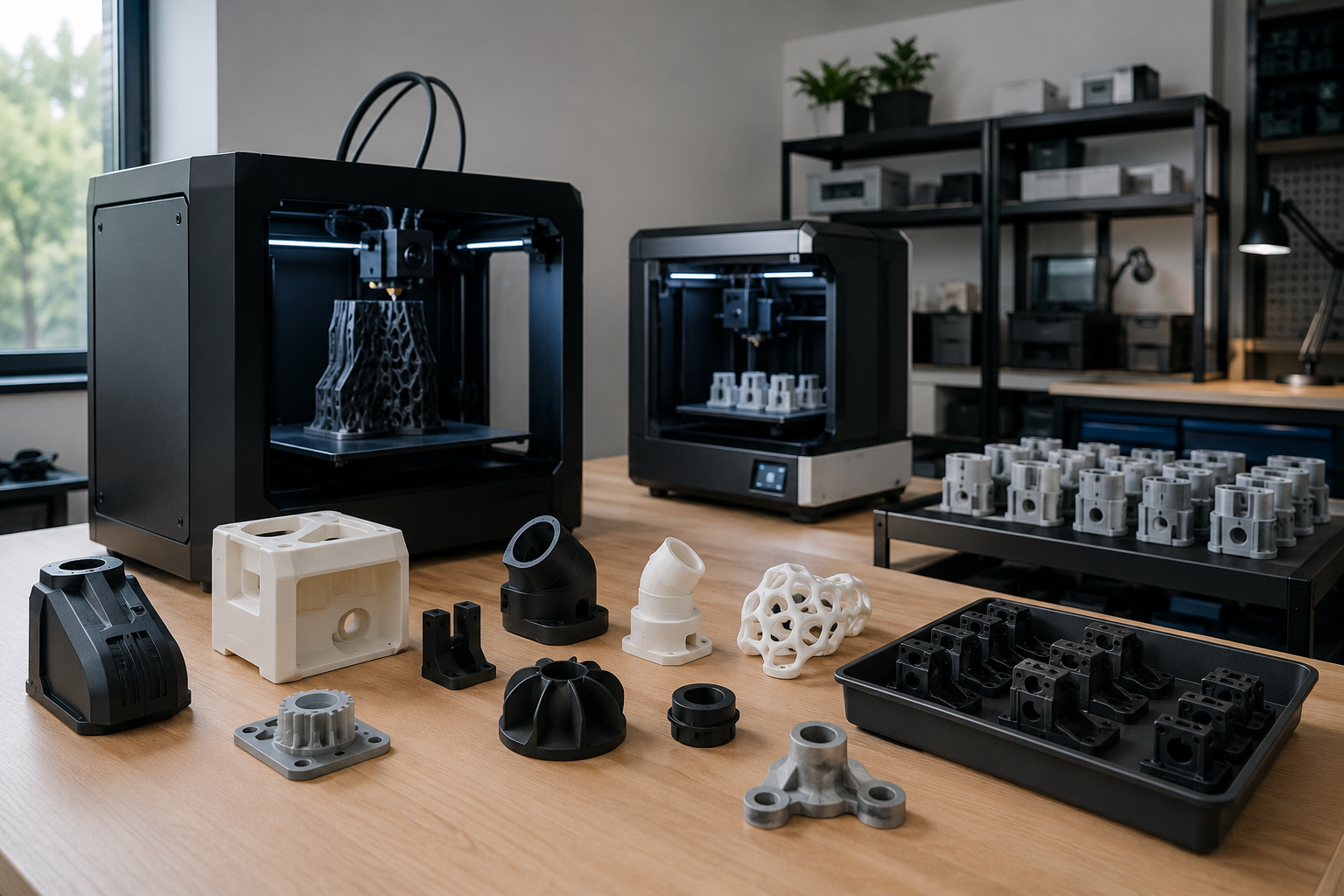
FDM is often used for prototypes, jigs, fixtures, educational models, and functional parts. It is a strong choice when users need affordability, larger parts, and practical material options.
SLA is useful for smooth, detailed parts. It works well for visual models, dental uses, medical models, jewelry samples, and parts that need fine surface detail. Read about how SLA 3d printing works.
DLP is also known for detailed resin printing. It can be helpful for small parts, accurate models, and applications where surface quality matters. Read about how DLP 3d printing works.
Before placing an order, it helps to compare technology, material, finish, quantity, and part use. A quick instant 3D printing quote can help businesses understand cost before moving forward.
From One-Off Parts to Business Growth
Many companies begin with one prototype, then expand into testing, tooling, and short-run production. This gradual growth is one reason 3D printing has become so useful. A business does not need to commit to large production numbers at the start.
Teams can print a few parts, test them, improve the design, and order more when ready. This helps reduce risk and gives companies more room to make better decisions.
For startups, 3D printing can make product testing more affordable. For established companies, it can improve internal workflows. For creators, it can turn custom ideas into real products. 3D printing applications will keep growing as more industries discover faster ways to design, test, and produce parts.
Conclusion
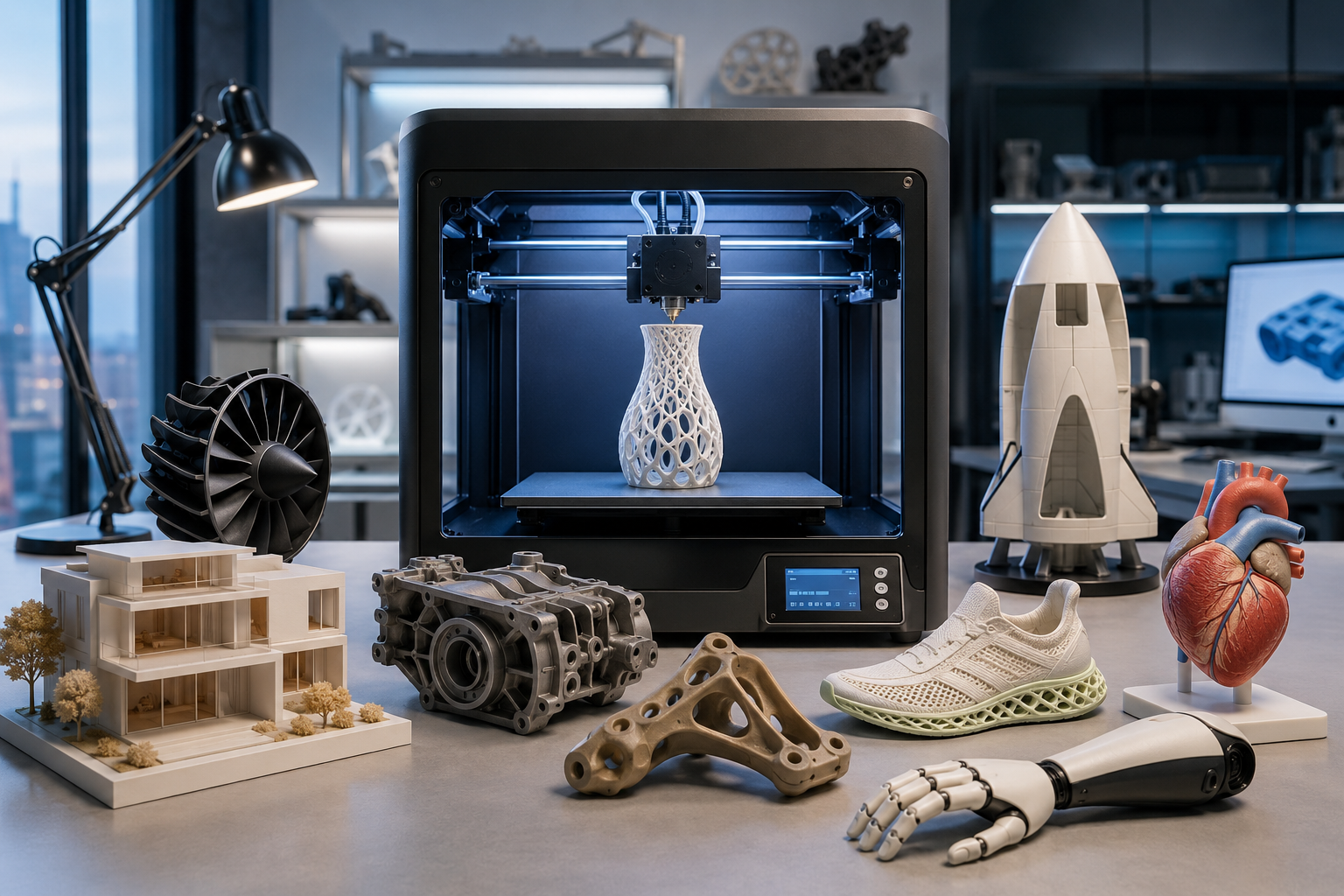
3D printing is now a practical tool for many industries. It supports product design, prototyping, manufacturing, healthcare, automotive work, aerospace testing, education, architecture, and creative production.
The real value comes from matching the right technology to the right use. Some projects need strong functional 3d printed parts. Some need smooth details. Others need fast, affordable models for testing. When businesses understand the available options, they can use 3D printing to save time, reduce costs, and bring better ideas to life.