
The Future of 3D Printing: Innovations That Will Transform Global Industries
Listen to Content
There was a time when 3D printing was viewed primarily as a rapid prototyping tool. It was exciting, innovative, and useful, but few people believed it would fundamentally reshape how products were designed, manufactured, and delivered. Today, that perception has changed dramatically.
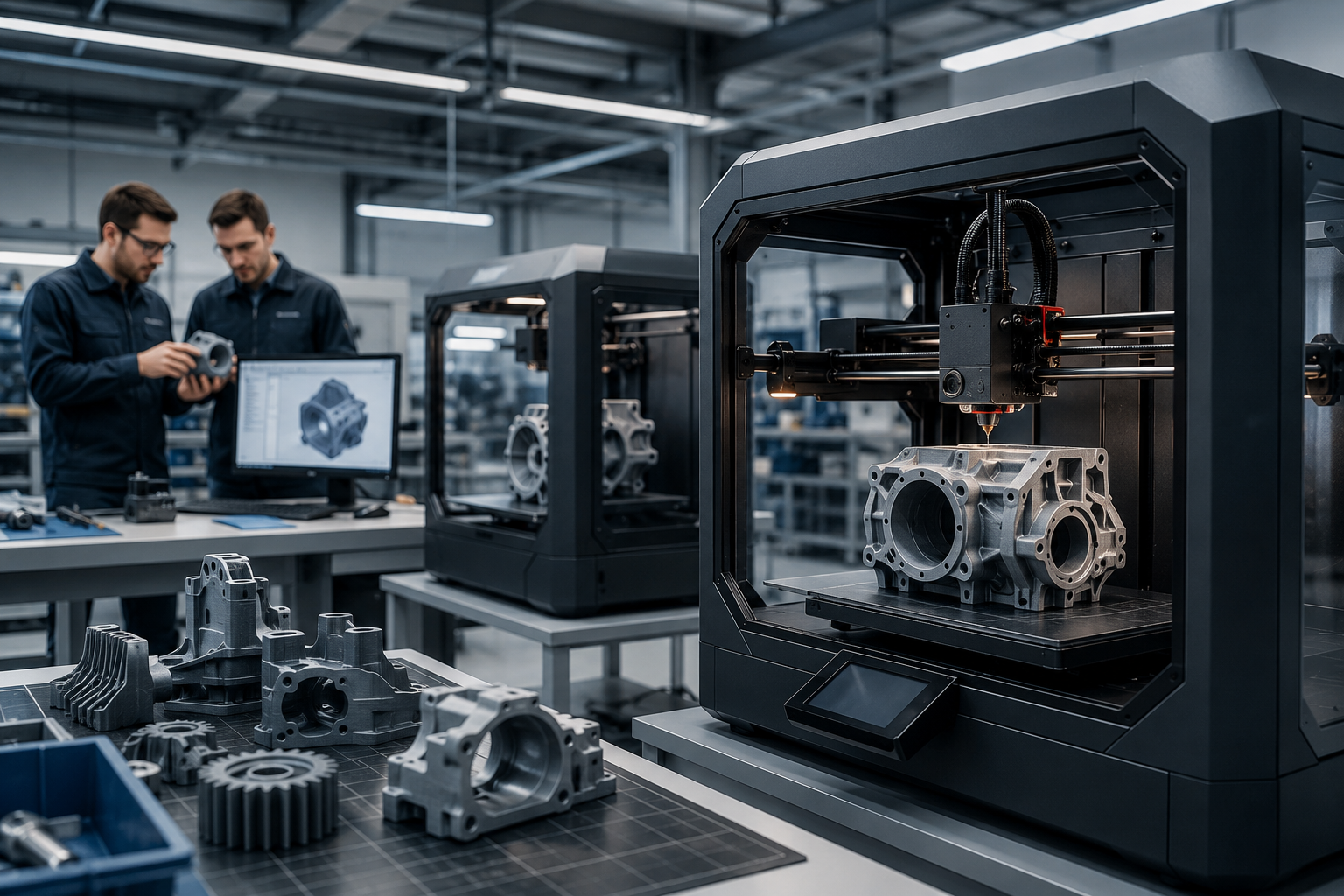
The conversation is no longer about whether additive manufacturing works. The conversation is about how quickly it will transform entire industries. Across aerospace, healthcare, automotive, consumer products, and industrial manufacturing, organizations are moving beyond experimentation and integrating 3D printing into core business operations.
What makes this moment particularly exciting is that we are still in the early chapters of the story. The pace of technological progress is accelerating, material capabilities continue to expand, and digital manufacturing ecosystems are becoming increasingly sophisticated. In my view, the next decade will be remembered as the period when 3D printing evolved from an emerging technology into a foundational pillar of global production.
The Technologies Driving the Next Wave of 3D Printing Advancements
The most exciting aspect of today's manufacturing landscape is the sheer number of 3d printing advancements happening simultaneously. Unlike many technologies that evolve through a single breakthrough, additive manufacturing is progressing across multiple fronts at once.
Learn About Trending Technology - SLA 3D Printing
Printing speeds are increasing significantly, allowing manufacturers to move closer to production-scale applications. New metal printing systems are reducing costs and improving throughput. High-performance polymers and composite materials are enabling stronger, lighter, and more durable parts than ever before.
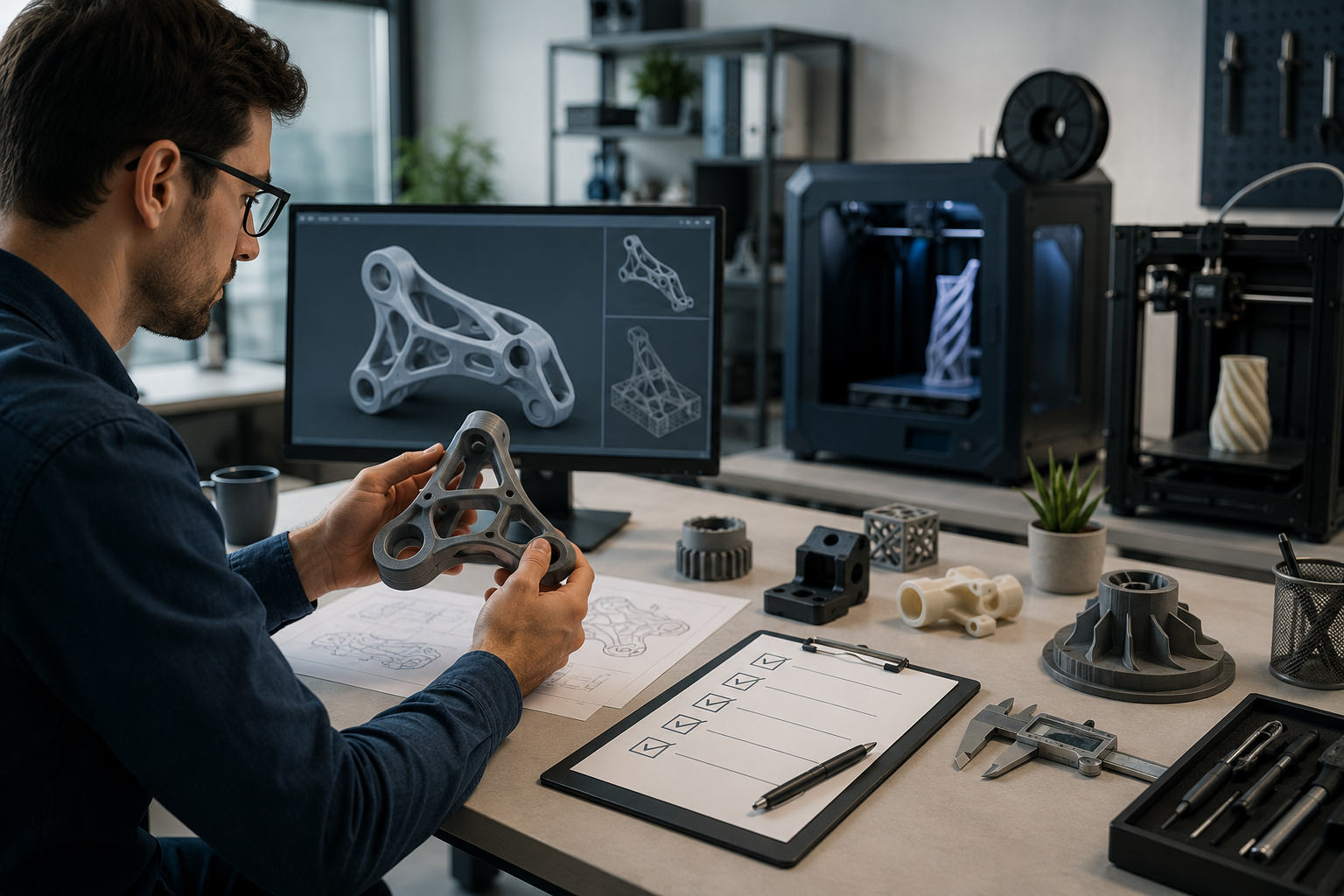
At the same time, software tools are becoming more intelligent. Design optimization platforms can now generate structures that would be impossible to create using traditional manufacturing methods. Engineers are no longer designing parts around manufacturing limitations. Instead, they are designing for performance and allowing advanced manufacturing technologies to make those designs possible.
Learn About Trending Technology - DLP 3D Printing
This shift represents a profound change in how products are developed. Rather than asking, "Can we manufacture this?" businesses are increasingly asking, "What is the best possible design?" That distinction may seem subtle, but it has enormous implications for innovation.
The next generation of manufacturing leaders will not be constrained by conventional production methods. They will be empowered by technologies that prioritize creativity, efficiency, and customization.
How AI, Automation, and Smart Manufacturing Are Reshaping Additive Manufacturing
One of the most transformative developments in recent years has been the convergence of AI and 3D printing. While both technologies are powerful independently, their combined potential is extraordinary.
Artificial intelligence is helping manufacturers optimize designs, predict failures, improve print quality, and automate production workflows. Machine learning algorithms can analyze thousands of design variables and identify solutions that human engineers might never consider.
Automation is equally important. Modern production environments are increasingly becoming connected ecosystems where printers, software platforms, quality control systems, and supply chains communicate seamlessly. This level of integration is bringing additive manufacturing closer to the vision of fully digital production.
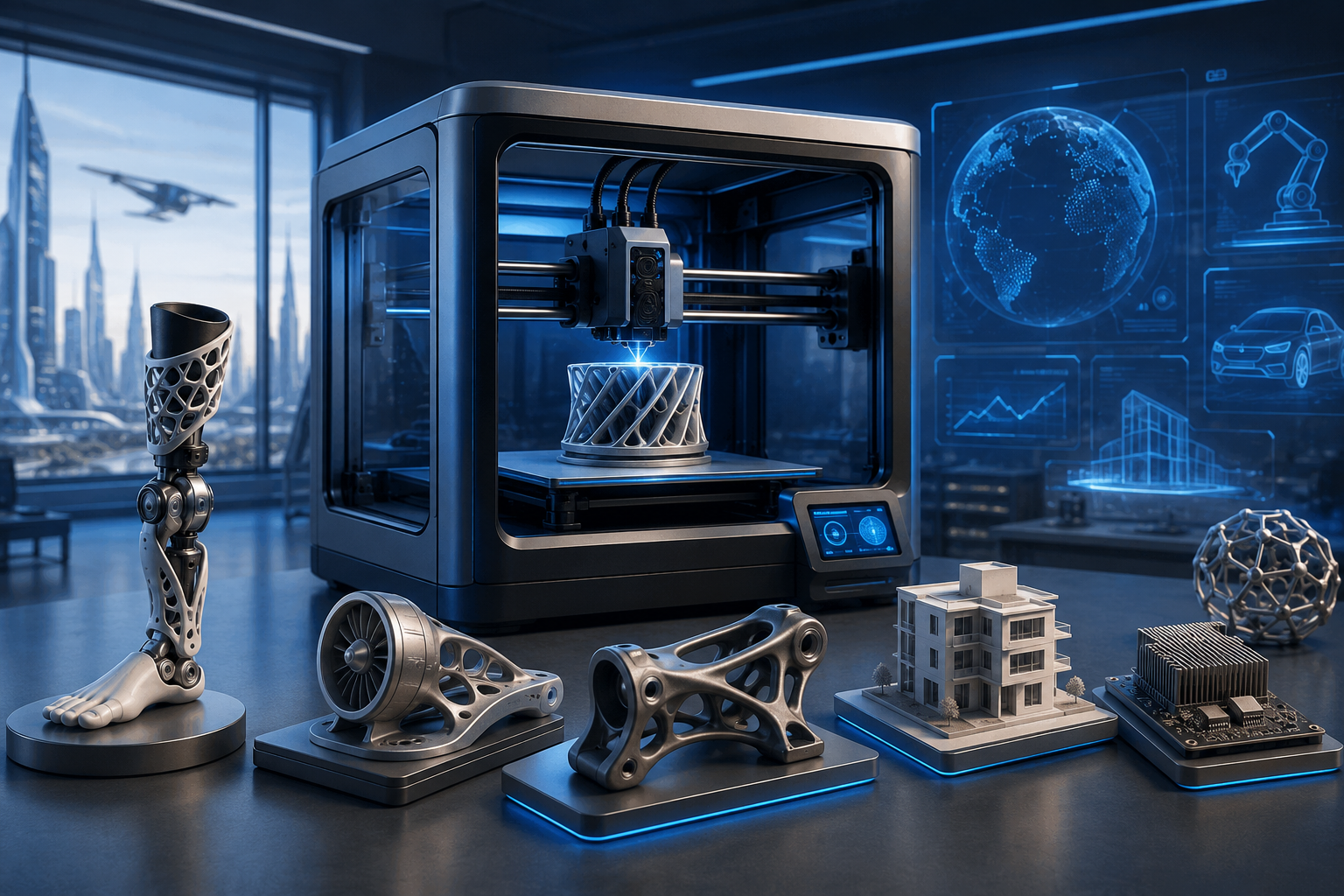
I believe this trend will dramatically influence the additive manufacturing future. Instead of isolated printing operations, businesses will operate intelligent manufacturing networks capable of responding instantly to customer demand, inventory requirements, and production challenges.
This transformation is also changing workforce expectations. Engineers of the future will need expertise not only in materials and manufacturing processes but also in data analysis, automation systems, and AI-driven optimization. The organizations that embrace this convergence earliest will likely gain significant competitive advantages.
Industry Impact: Aerospace, Healthcare, Consumer Products, and Beyond
Perhaps the strongest indicator of long-term success is the growing diversity of industries adopting additive manufacturing.
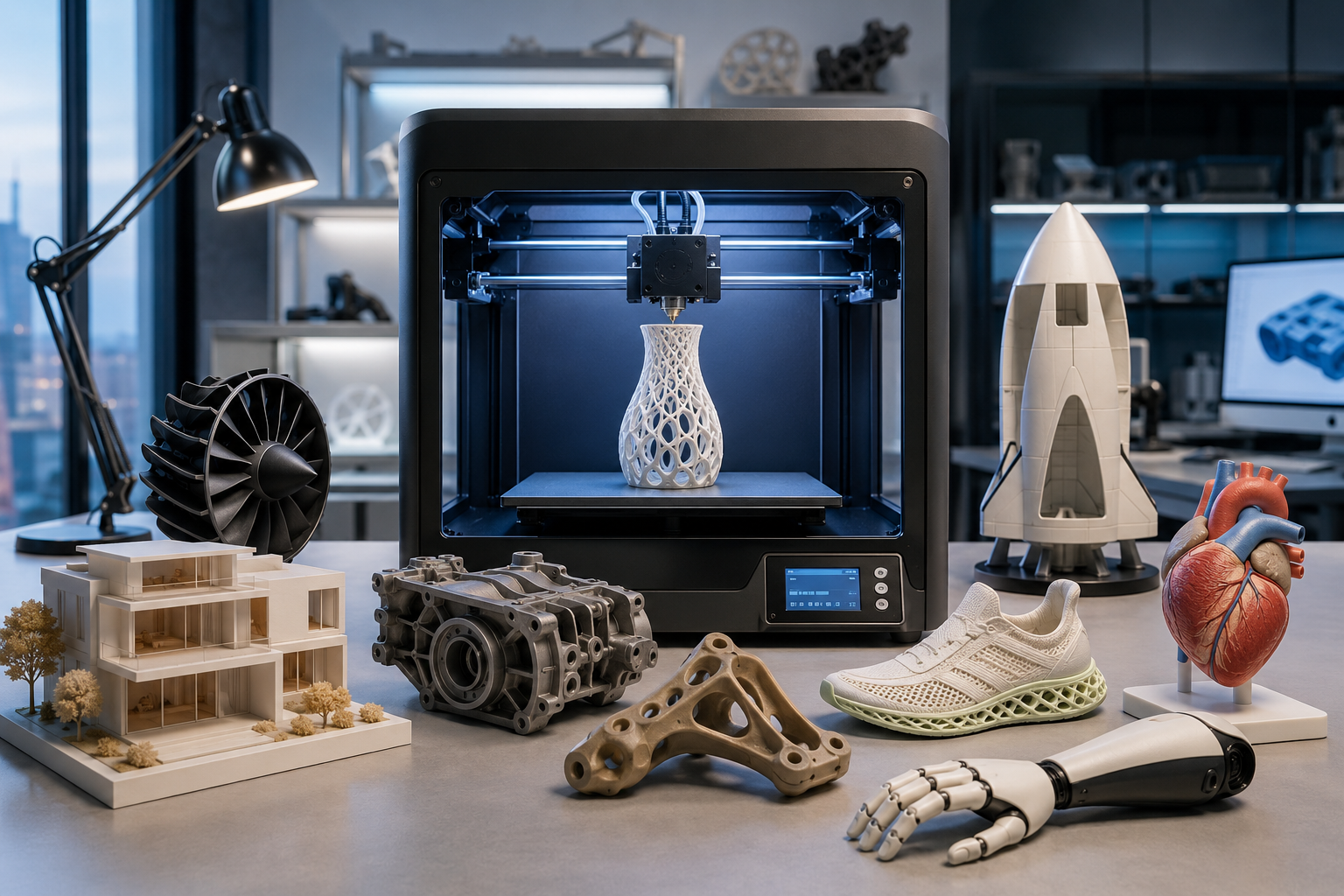
The 3D printing in aerospace future looks particularly promising. Aircraft manufacturers continue to invest heavily in lightweight structures, fuel-efficient designs, and complex geometries that can only be achieved through additive manufacturing. Weight reduction remains one of the most valuable goals in aerospace engineering, and 3D printing is uniquely positioned to deliver it.
Healthcare represents another area where innovation is accelerating rapidly. The 3D printing healthcare future extends far beyond custom prosthetics and medical models. Personalized implants, patient-specific surgical solutions, and even bioprinting research are opening possibilities that seemed unimaginable only a few years ago.
Consumer markets are evolving as well. One of the most fascinating consumer 3d printing technology trends is the shift toward mass customization. Consumers increasingly expect products tailored to their preferences, and additive manufacturing provides a practical way to deliver personalization without sacrificing efficiency.
Beyond these sectors, automotive, energy, construction, and industrial manufacturing continue to expand their investments. This widespread adoption is a major reason for ongoing 3D printing industry growth. The technology is no longer dependent on a single market or application. It is becoming a cross-industry manufacturing platform capable of solving diverse challenges.
In ChampDd's opinion, this diversification is one of the strongest signs that additive manufacturing has moved beyond hype and into long-term industrial relevance.
Will 3D Printing Replace Traditional Manufacturing? Understanding the Real Future
One question continues to generate debate: will 3D printing replace manufacturing as we know it?
Answer is No - but that is actually good news.
The future is unlikely to be a world where additive manufacturing completely replaces injection molding, CNC machining, casting, or other established processes. Instead, the future will involve a hybrid manufacturing ecosystem where each technology is used where it creates the most value.
Traditional manufacturing remains exceptionally efficient for high-volume production. However, additive manufacturing excels in customization, design complexity, rapid iteration, and distributed production. These strengths complement rather than eliminate conventional methods.
This is why I believe the true 3d printing future of manufacturing lies in integration rather than replacement. Businesses that combine traditional and additive capabilities will have greater flexibility, faster innovation cycles, and stronger supply chain resilience.
Another critical factor is sustainability. The 3D printing sustainability impact is becoming increasingly important as organizations seek ways to reduce waste and improve resource efficiency. Additive manufacturing often uses only the material required to build a part, reducing excess consumption compared to subtractive processes.
Localized production also offers environmental advantages by reducing transportation requirements and shortening supply chains. As sustainability becomes a strategic priority rather than a marketing initiative, these benefits will become even more valuable.
Interested In Manufacturing? Get Instant Quote for 3D Printing
3D Printing Trends 2026 and Beyond: What Businesses Should Expect Next
Looking ahead, several developments appear likely to shape the next phase of industry evolution.
The first is continued growth in production-scale additive manufacturing. As equipment becomes faster and more reliable, businesses will increasingly move from prototyping to end-use production. This transition will further strengthen confidence in additive manufacturing as a mainstream manufacturing solution.
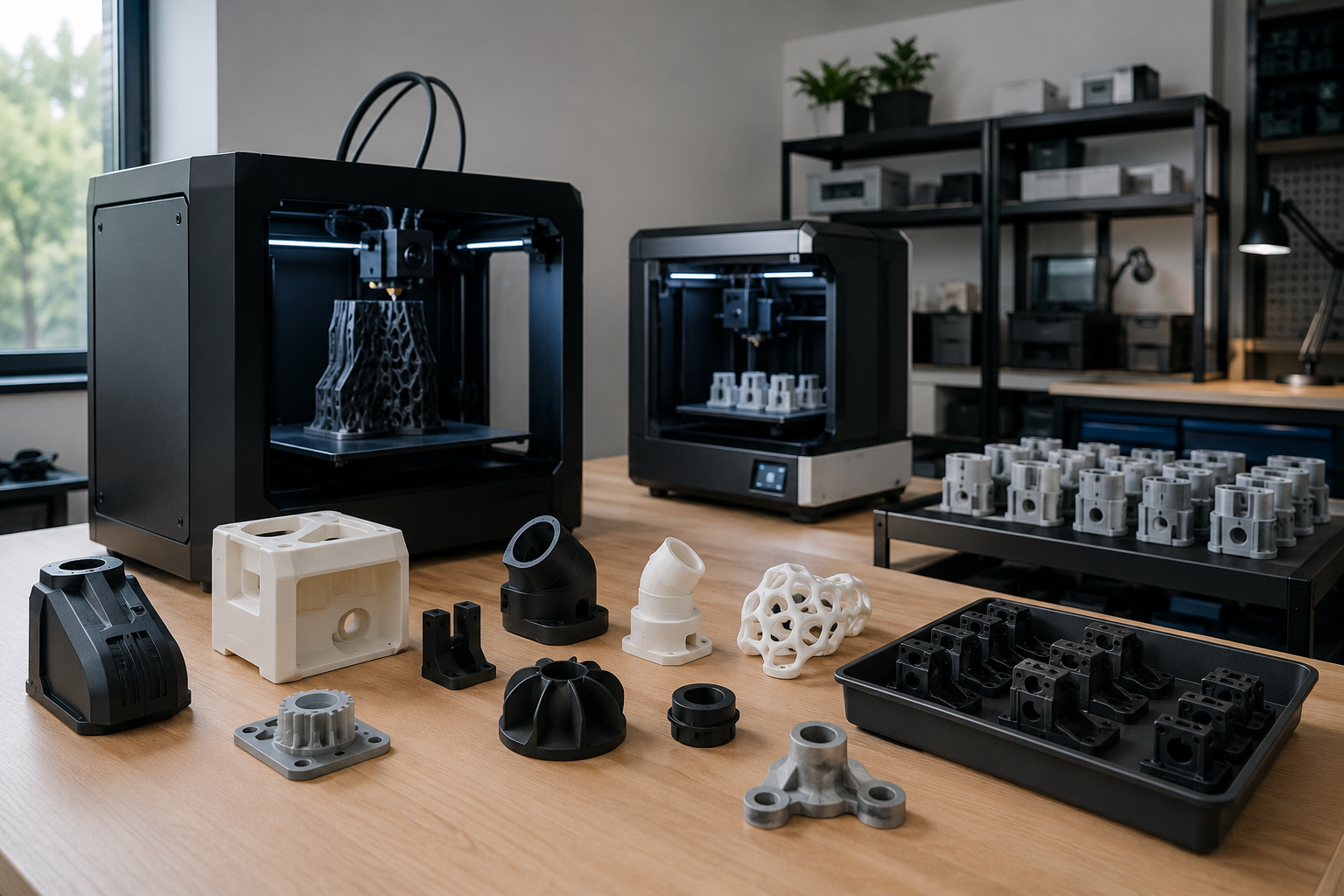
Second, material innovation will continue at an impressive pace. New polymers, metals, ceramics, and composite materials will unlock applications that are currently difficult or economically impractical.
Third, digital supply chains will become more common. Instead of storing physical inventory, organizations will increasingly store digital part files that can be manufactured on demand wherever needed.
These developments are central to both 3D printing trends 2025 / 2026 and the broader future of 3D printing. They point toward a manufacturing environment that is more agile, responsive, and resilient than traditional systems.
Perhaps the most important prediction, however, is cultural rather than technological. Business leaders are becoming more comfortable with additive manufacturing. What was once considered experimental is increasingly viewed as strategic.
This growing confidence is fueling investment, accelerating adoption, and encouraging further innovation. In my view, that momentum may prove even more significant than any individual technological breakthrough.
The next decade will likely be defined not only by remarkable 3d printing innovations but also by a shift in mindset. Organizations are beginning to see additive manufacturing not as an alternative process, but as a core capability for future competitiveness.
Why Champ3D Is Positioned for the Future of 3D Printing
The future of manufacturing is becoming increasingly digital, connected, and customer-driven. Few technologies align with these trends as effectively as additive manufacturing.
From AI-powered design optimization and advanced materials to sustainable production models and localized manufacturing, the opportunities ahead are substantial. The pace of innovation shows no signs of slowing, and the businesses that embrace these changes today will be better positioned to compete tomorrow.
At Champ3D, we see this transformation firsthand. As manufacturers continue exploring new possibilities, the need for reliable expertise, high-quality production, and scalable additive manufacturing solutions becomes even more important. We believe the most exciting chapter in the history of 3D printing is still ahead.
Whether you are developing prototypes, functional components, or production-ready parts, now is the time to explore what modern additive manufacturing can achieve. Get a quote for your 3D printed part and discover how Champ3D can help bring your ideas to life in the next generation of manufacturing.