
What Is a 3D Printing Service? A Complete Guide for Businesses and Creators
Listen to Content
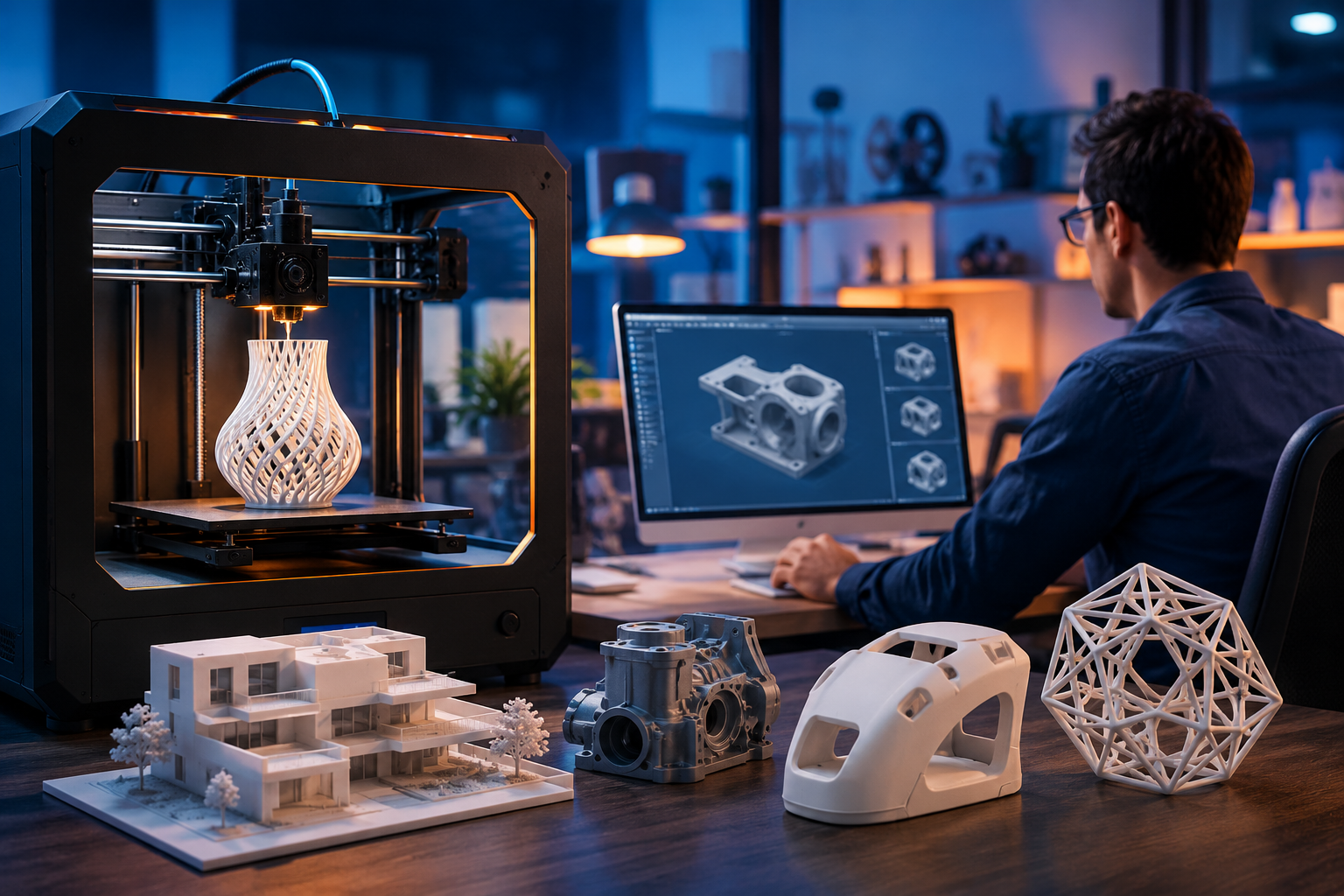
3D printing is no longer limited to labs or industrial setups. Today, businesses, startups, and even individual creators use 3D printing services to bring ideas to life faster and more efficiently.
From rapid prototyping to custom manufacturing, the right 3D printing service helps you move from concept to physical product without heavy upfront investment.
This guide explains how 3D printing services work, which technologies to choose, and how to get started with a trusted provider like Champ3D.
What Is a 3D Printing Service and How Does It Work?
A 3D printing service allows you to upload a digital design file and have it converted into a physical object using specialized printers.
Instead of traditional manufacturing methods that cut or mold materials, 3D printing builds objects layer by layer.
Here’s how the process works:
1. Create or upload a 3D design file (STL, OBJ, etc.)
2. Choose the right material and printing technology
3. The printer builds the object layer by layer
4. Post-processing is applied (cleaning, curing, finishing)
5. The final product is shipped to you
This eliminates the need for tooling, molds, or large production runs.
If you already have a design ready, you can get a quote from Champ3D and start your project quickly.
Why Businesses Are Choosing 3D Printing Services Today
Companies across industries are turning to 3D printing for speed, flexibility, and cost savings.
Key benefits include:
• Faster product development cycles
• Lower prototyping costs
• Customization without extra tooling
• Reduced material waste
• Ability to test and iterate quickly
This is especially useful for startups, product designers, and engineering teams.
What Are the Different Types of 3D Printing Technologies?
Not all 3D printing methods are the same. Each technology is designed for specific use cases.
At Champ3D, the three main technologies offered are:
• Stereolithography (SLA)
• Digital Light Processing (DLP)
• Fused Deposition Modeling (FDM)
Let’s break them down.
What Is SLA 3D Printing and When Should You Use It?
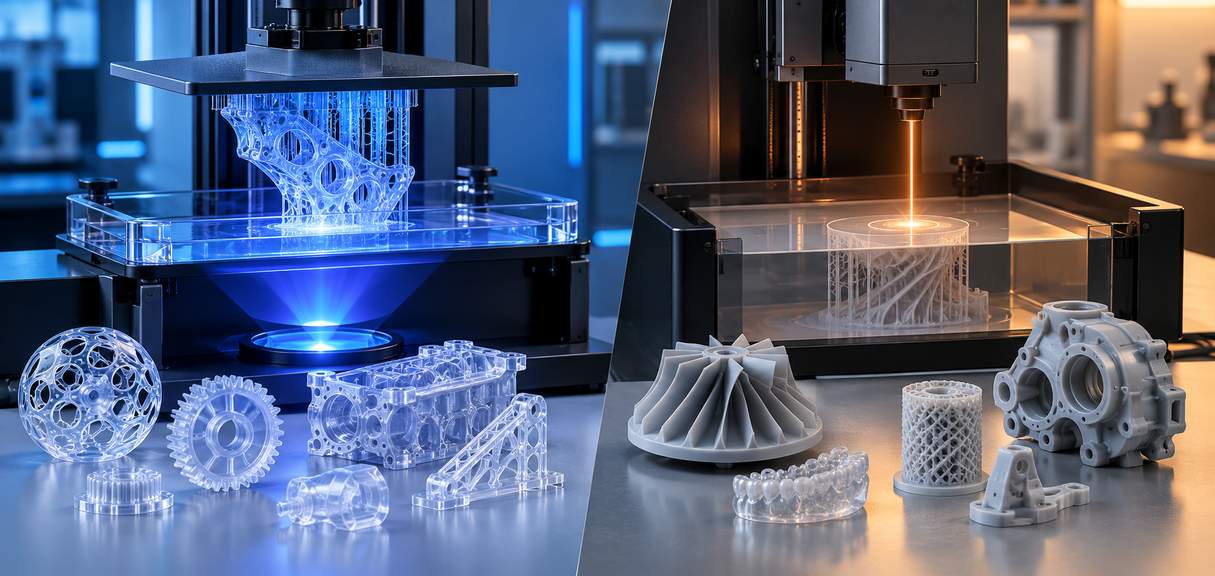
SLA (Stereolithography) is known for producing high-detail, smooth surface models using liquid resin cured by a laser.
It is ideal for projects where precision matters.
Best suited for:
• Product design prototypes
• Medical and dental models
• Jewelry design
• High-detail visual models
If your project requires sharp details and a premium finish, explore the SLA 3D Printing Service by Champ3D.
You can also read a detailed breakdown here: SLA 3D Printing Service Explained: High-Precision Prototyping for Detailed Designs
What Is DLP 3D Printing and How Is It Different from SLA?
DLP (Digital Light Processing) is another resin-based method, but instead of using a laser, it uses a digital projector to cure entire layers at once.
This makes it faster while maintaining high accuracy.
Best suited for:
• Small batch production
• Dental and medical applications
• Miniatures and collectibles
• High-detail parts with faster turnaround
If you need both speed and precision, check out the DLP Resin 3D Printing Service from Champ3D.
For a deeper comparison, visit: DLP Resin 3D Printing: Faster Production with Exceptional Detail
What Is FDM 3D Printing and Why Is It the Most Affordable Option?
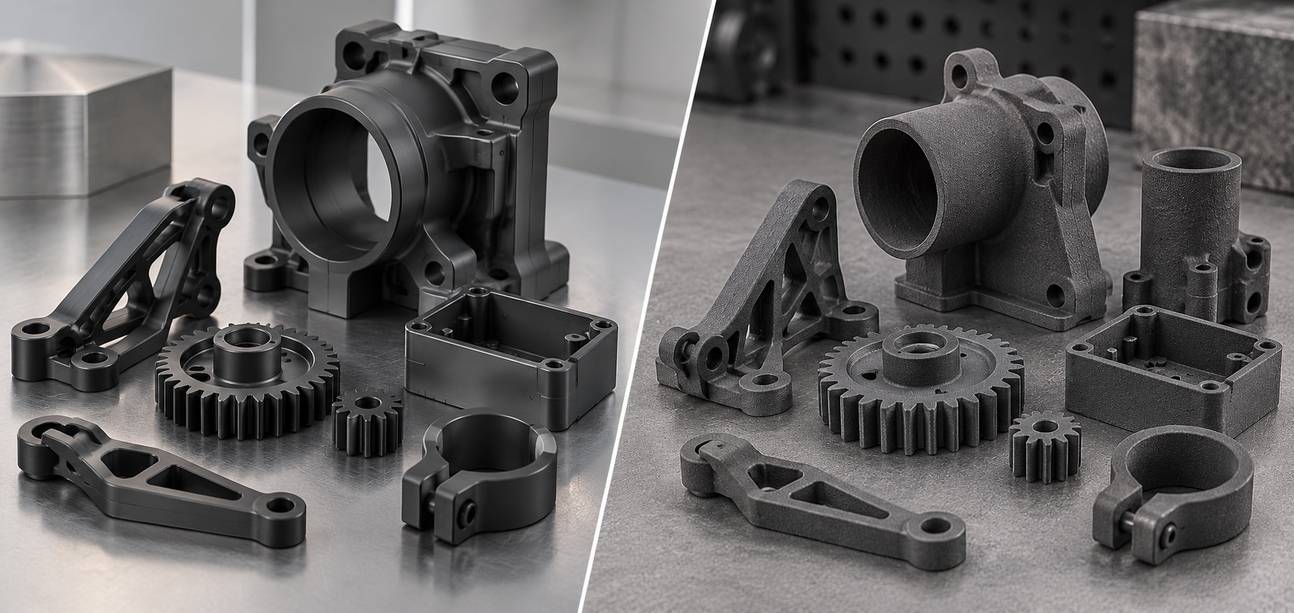
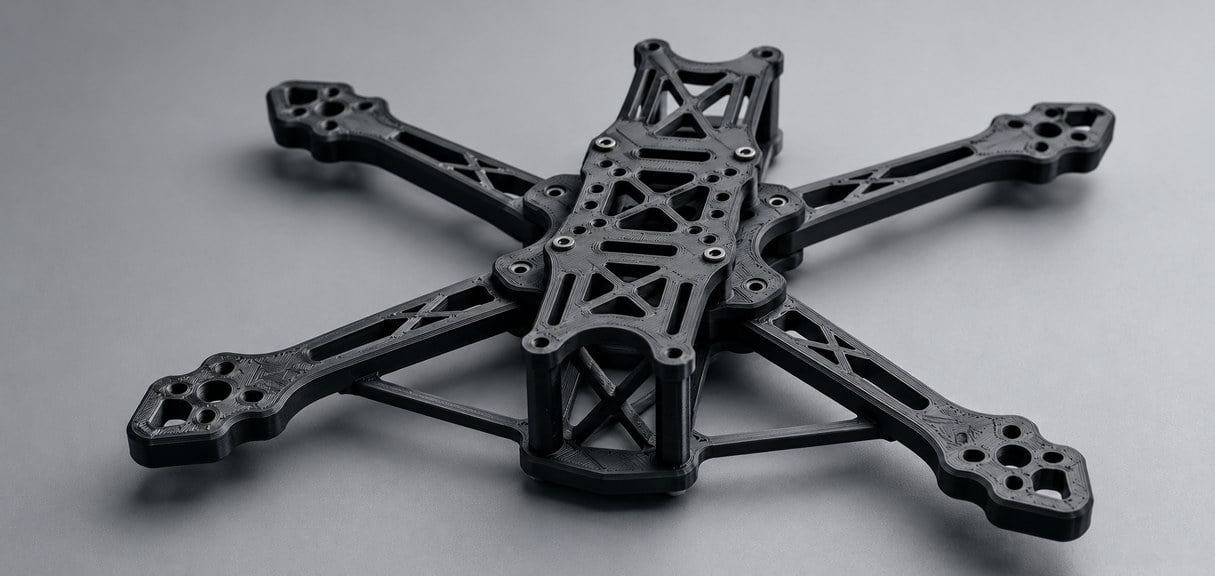
FDM (Fused Deposition Modeling) is the most widely used and cost-effective 3D printing method.
It works by melting thermoplastic filaments and depositing them layer by layer.
Best suited for:
• Functional prototypes
• Mechanical parts
• Large models
• Budget-friendly projects
FDM is the go-to choice when durability and cost matter more than surface finish.
You can explore the FDM 3D Printing Service at Champ3D for reliable and affordable production.
Learn more here: FDM 3D Printing Service: Cost-Effective Prototyping for Functional Parts
SLA vs DLP vs FDM: Which 3D Printing Method Should You Choose?
Choosing the right technology depends on your project goals.
Quick comparison:
|
Feature |
SLA |
DLP |
FDM |
|
Detail Level |
Very High |
High |
Moderate |
|
Speed |
Moderate |
Fast |
Moderate |
|
Cost |
Higher |
Medium |
Low |
|
Surface Finish |
Smooth |
Smooth |
Visible layers |
|
Best Use |
Precision models |
Batch production |
Functional parts |
Simple decision guide:
• Need ultra-fine detail → SLA
• Need speed + detail → DLP
• Need affordability + strength → FDM
For a full breakdown, check: SLA vs DLP vs FDM: Which 3D Printing Technology Should You Choose?
What Can You Create with a 3D Printing Service?
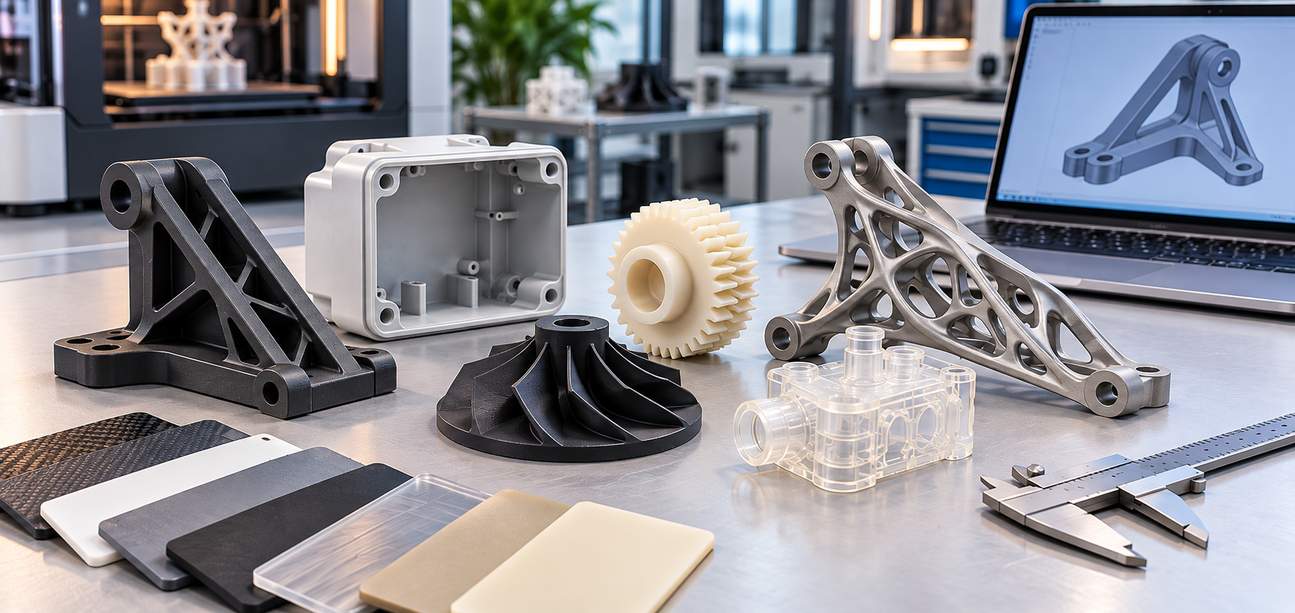
3D printing is used across multiple industries and applications.
Common use cases include:
Product Development
Create prototypes quickly and test designs before full production.
Custom Manufacturing
Produce unique or limited-run items without molds.
Healthcare Models
Used for surgical planning, dental molds, and prosthetics.
Automotive and Engineering Parts
Rapid production of components and test parts.
Creative Projects
Art, collectibles, miniatures, and custom designs.
When Should You Outsource 3D Printing Instead of Doing It In-House?
Many businesses consider buying their own 3D printer. However, outsourcing often makes more sense.
Choose a 3D printing service when:
• You need multiple technologies (SLA, DLP, FDM)
• You want professional-grade output
• You don’t want to manage maintenance and materials
• You need scalability for different projects
• You want expert guidance on materials and design
Working with a provider like Champ3D gives you access to advanced machines without the overhead.
How to Choose the Right 3D Printing Service Provider
Not all providers offer the same quality or capabilities.
Look for:
• Multiple printing technologies
• Material variety
• Fast turnaround times
• Transparent pricing
• Technical support
Champ3D combines all three major technologies with expert support, making it easier to choose the right process for your project.
Ready to start? Get a quote from Champ3D and bring your idea to life.
How Much Does a 3D Printing Service Cost?
The cost depends on several factors:
• Size of the model
• Material used
• Printing technology
• Level of detail
• Post-processing requirements
FDM is usually the most affordable, while SLA and DLP cost more due to precision and materials.
The best way to estimate cost is to upload your design and get a custom quote.
How Fast Is 3D Printing for Prototyping?
Turnaround time varies based on complexity and technology.
• Simple FDM prints: 1–3 days
• SLA prints: 2–5 days
• DLP prints: Faster for batch production
3D printing significantly reduces time compared to traditional manufacturing methods.
FAQs About 3D Printing Services
What file format is required for 3D printing?
Most services accept STL, OBJ, and STEP files. STL is the most common format.
Is 3D printing strong enough for functional parts?
Yes, especially with FDM printing using durable materials like ABS or PLA. For high-strength needs, material selection is key.
Which is better: SLA or FDM?
SLA is better for detail and smooth finish. FDM is better for strength and cost efficiency.
Can I order a single prototype?
Yes, 3D printing services allow even one-off production without minimum order requirements.
How accurate is 3D printing?
SLA and DLP offer very high accuracy. FDM provides good accuracy for functional parts.
How do I get started with a 3D printing service?
You can upload your design file, select specifications, and request pricing.