
SLA 3D Printing Service Explained: High-Precision Prototyping for Detailed Designs
Listen to Content
When your project depends on precision, surface quality, and fine detailing, SLA 3D printing becomes one of the most reliable solutions available.
Used across industries like healthcare, product design, and jewelry, SLA allows you to create highly detailed models that closely resemble final products.
If you're searching for a 3D printing that delivers smooth finishes and accuracy, SLA is often the first technology to consider.
What Is SLA 3D Printing and How Does It Work?
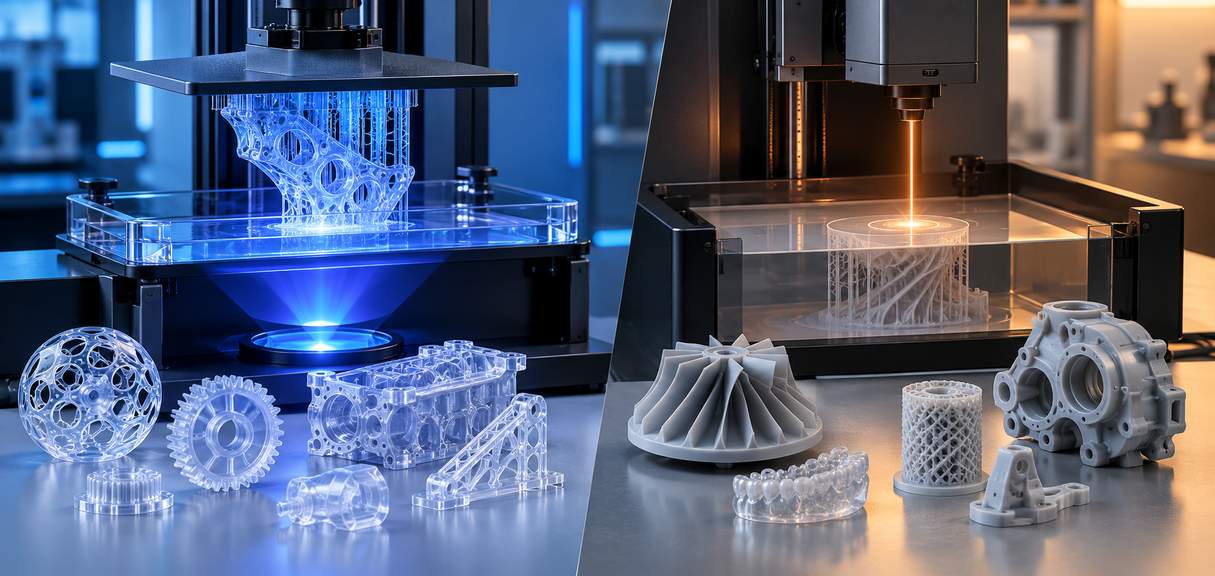
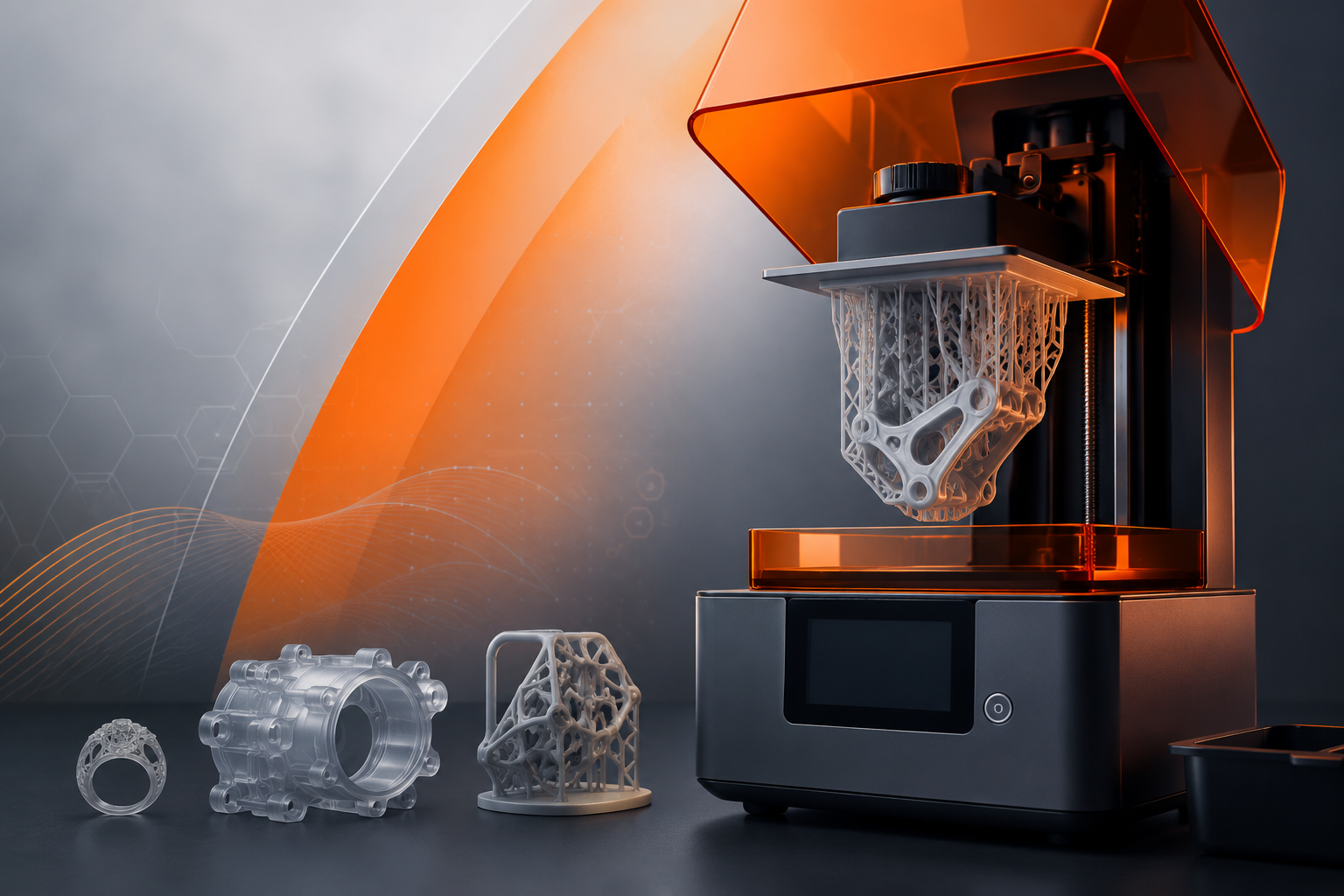
SLA (Stereolithography) is a resin-based 3D printing method that uses a focused UV laser to cure liquid resin into solid layers.
Unlike filament-based printing, SLA works with photopolymer resin, which hardens when exposed to light.
Here’s how the process works:
1. A digital 3D model is sliced into thin layers
2. A UV laser traces each layer onto a resin vat
3. The resin solidifies exactly where the laser hits
4. The build platform moves to allow the next layer
5. The final part is cleaned and cured for strength
This controlled curing process allows for extremely fine details and smooth surfaces.
If you are working on a high-detail model, you can explore the SLA 3D Printing Service at Champ3D.
Why SLA 3D Printing Is Known for High Precision
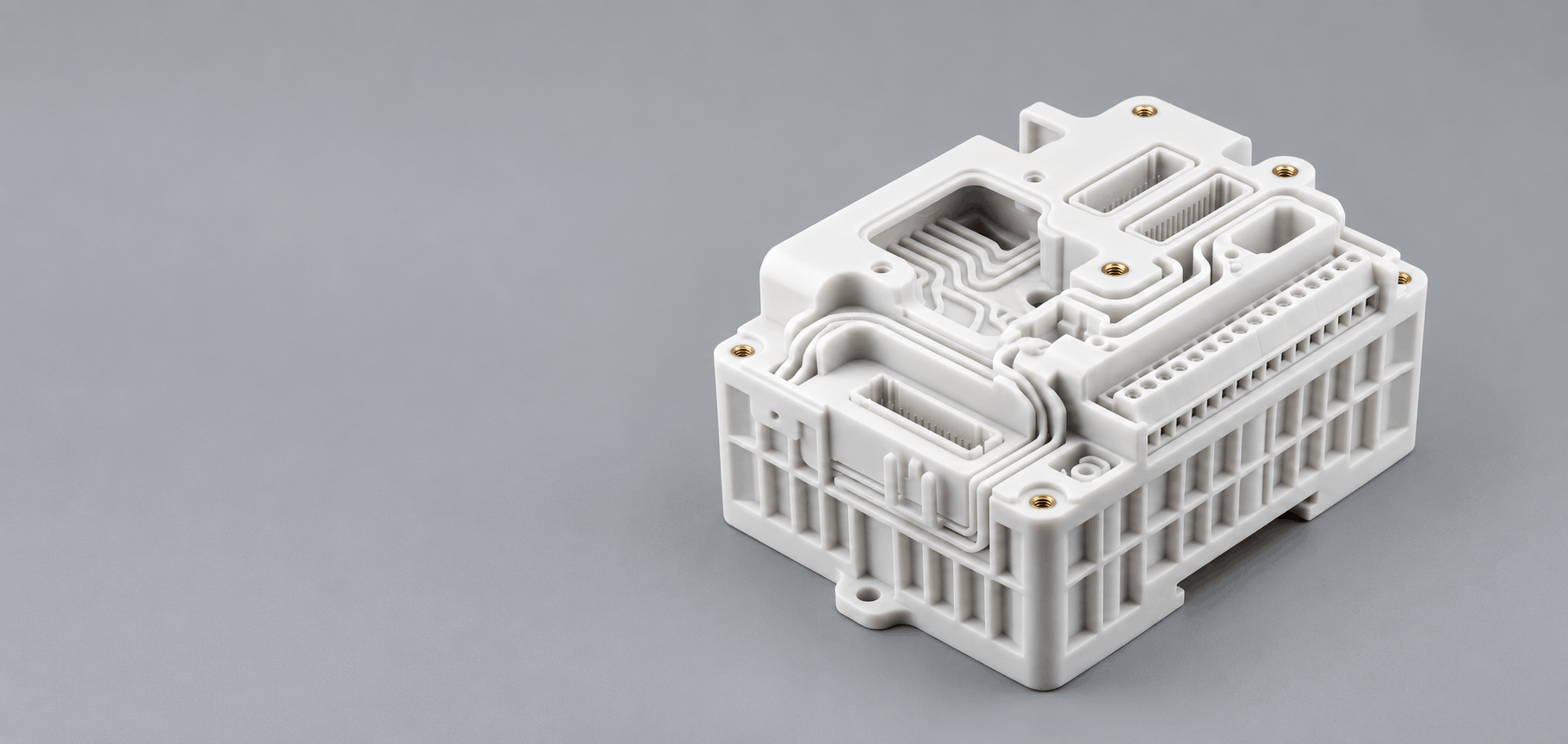
SLA stands apart because of its ability to capture even the smallest design elements.
What makes it precise:
Fine Layer Resolution
SLA printers can produce layers as thin as 25–50 microns, resulting in minimal visible layer lines.
Sharp Edge Definition
Edges, corners, and intricate features are reproduced accurately without distortion.
Consistent Surface Quality
The laser-based curing process ensures uniformity across the entire model.
Minimal Post-Processing Effort
Parts come out smooth, reducing the need for sanding or finishing work.
This makes SLA a strong choice for visual prototypes and display-ready models.
When Should You Use an SLA 3D Printing Service?
SLA is best used when appearance and detail matter more than mechanical strength or cost.
Ideal applications include:
Product Design Prototypes
Designers use SLA to validate the look and feel of a product before production.
Medical and Dental Models
Accurate replication is critical for surgical planning and dental applications.
Jewelry and Casting Patterns
Fine detailing makes SLA suitable for intricate designs used in casting.
Concept Models for Presentations
When showcasing a product to clients or stakeholders, finish quality matters.
If your priority is durability or affordability, it may be worth reviewing the full 3D Printing Service Guide to compare available technologies.
What Materials Are Used in SLA 3D Printing?
SLA uses a range of photopolymer resins, each designed for specific use cases.
Common resin types:
- Standard resin for general models
- Tough resin for stronger parts
- Flexible resin for bendable designs
- Castable resin for molds and jewelry
- Heat-resistant resin for industrial applications
Choosing the right material affects not only strength but also appearance and performance.
What Are the Advantages of SLA 3D Printing?
SLA is widely chosen for projects where quality cannot be compromised.
Key benefits include:
Smooth Surface Finish
SLA parts have a polished appearance straight out of the printer.
High Detail Accuracy
Perfect for complex geometries and fine textures.
Professional Output
Ideal for presentation models and client-facing prototypes.
Better Aesthetic Quality
Compared to most other methods, SLA produces visually refined results.
What Are the Limitations of SLA 3D Printing?
While SLA offers excellent quality, it is important to understand where it may not be the best fit.
Key limitations:
Higher Cost
Resin materials and precision printing increase overall cost compared to other methods.
Material Sensitivity
Some SLA materials may not withstand heavy mechanical stress.
Post-Processing Requirement
Cleaning and curing are necessary steps after printing.
Limited Build Size
SLA printers often have smaller build volumes than filament-based systems. For larger or more functional parts, other technologies may be more suitable.
How Accurate Is SLA 3D Printing?
Accuracy is one of the biggest strengths of SLA.
- Extremely fine layer thickness
- Excellent dimensional accuracy
- Smooth curves and detailed textures
This makes it suitable for applications where precision directly impacts performance or appearance.
How Much Does an SLA 3D Printing Service Cost?
The cost of SLA printing varies depending on:
- Size and volume of the model
- Type of resin selected
- Design complexity
- Post-processing requirements
While SLA may cost more than basic printing methods, it delivers superior detail and finish.
To get an exact estimate, you can upload your design and get a quote from Champ3D based on your specific requirements.
How Long Does SLA 3D Printing Take?
Turnaround time depends on model complexity and finishing requirements.
Typical timelines:
- Small models: 2–3 days
- Medium designs: 3–5 days
- Complex models: longer depending on detail level
Additional time may be required for post-processing and curing.
FAQs About SLA 3D Printing Service
Is SLA better than other 3D printing methods?
SLA is better for detail and surface finish. Other methods may be better for strength or cost.
Can SLA prints be used for functional parts?
Yes, but it depends on the resin used. Tough resins can handle moderate functional applications.
Why are SLA prints smoother?
Because the liquid resin is cured using a laser, it creates a more uniform surface compared to filament layering.
Do SLA prints need finishing?
Yes, they require cleaning and curing to reach final strength and appearance.
Is SLA suitable for large models?
It is better suited for small to medium-sized models due to build size limitations.
Start Your SLA 3D Printing Project with Champ3D
If your project requires sharp details, smooth surfaces, and a professional finish, SLA is a reliable choice.
From concept models to high-quality prototypes, this technology helps turn complex designs into accurate physical parts.
Champ3D offers dependable SLA printing with expert guidance on materials and production.
Upload your design and get a quote from Champ3D today to begin your SLA project with confidence.