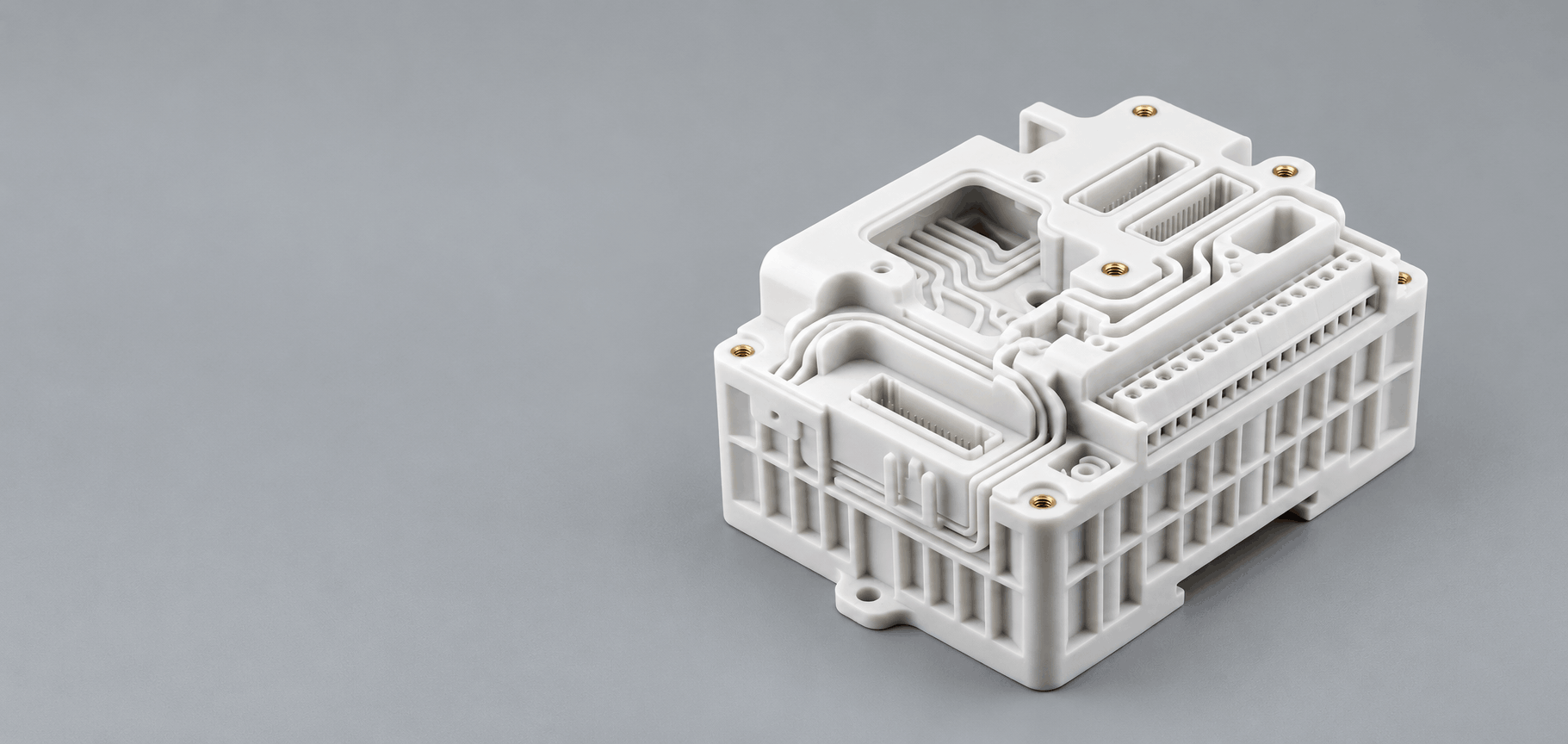
How to Choose a Custom 3D Printing Service for Your Part
Listen to Content
What to Look for in a Custom 3D Printing Service
Choosing a custom 3D printing service comes down to four core factors: technology and material fit, pricing transparency, turnaround time, and quality control, and the best 3D printing service for you is the one that gets all four right for your specific part.
Whether you need custom 3D printed parts for a one-off prototype or a small production run, the wrong provider can mean surprise costs, missed deadlines, or parts that fail in use. This guide walks through six concrete factors to check before ordering.
1. Confirm the Technologies and Materials Offered
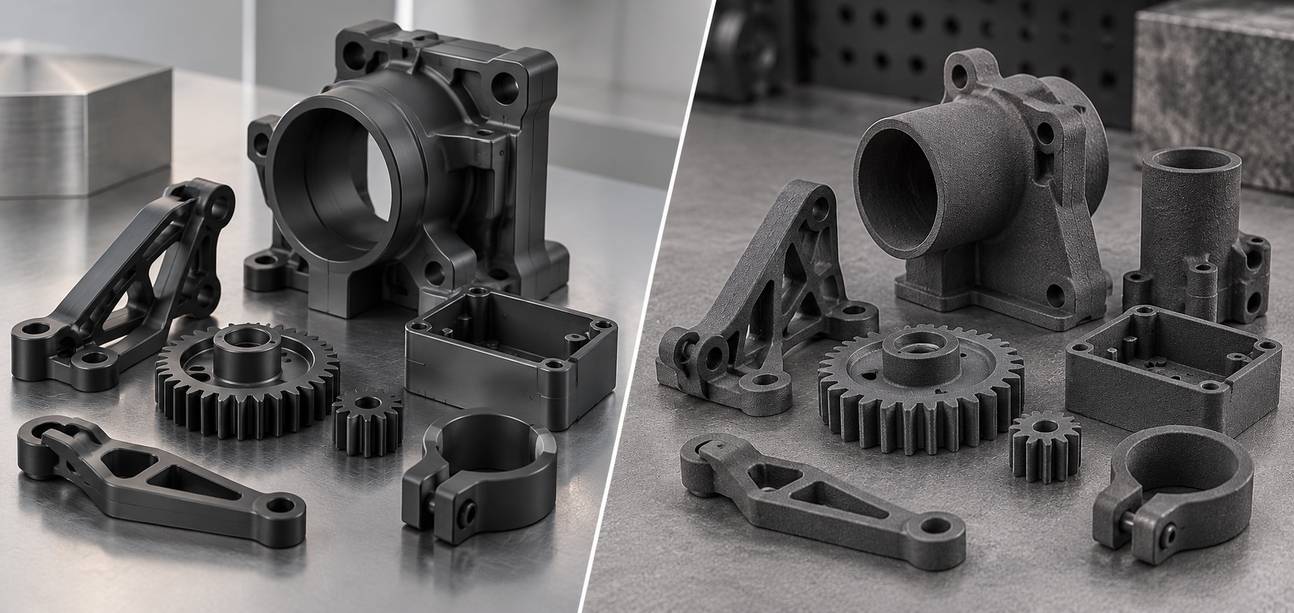
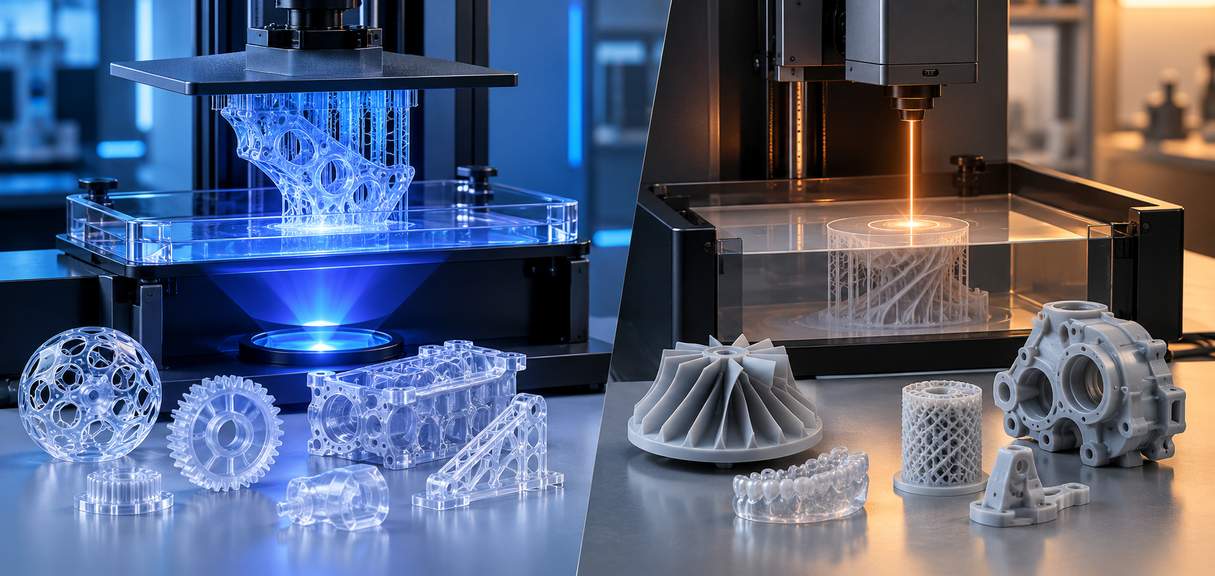
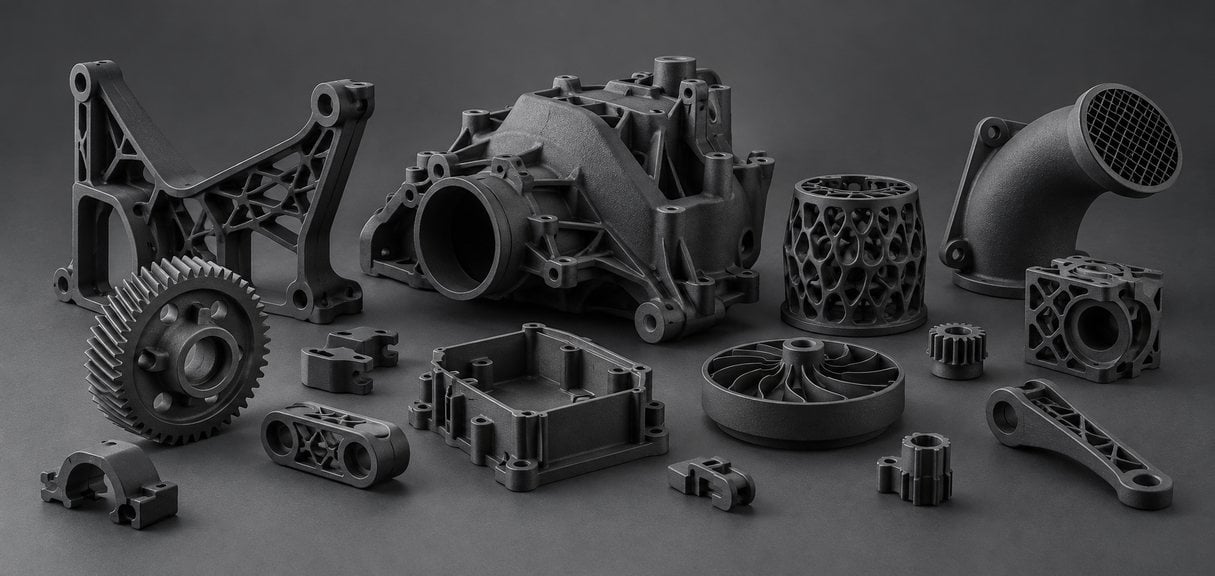
Confirm that the service offers a process and material suited to your part's function, because FDM, SLA, SLS, MJF, and SLM each produce different strength, detail, heat resistance, and surface finish, and the wrong combination can fail no matter how well the part is printed.
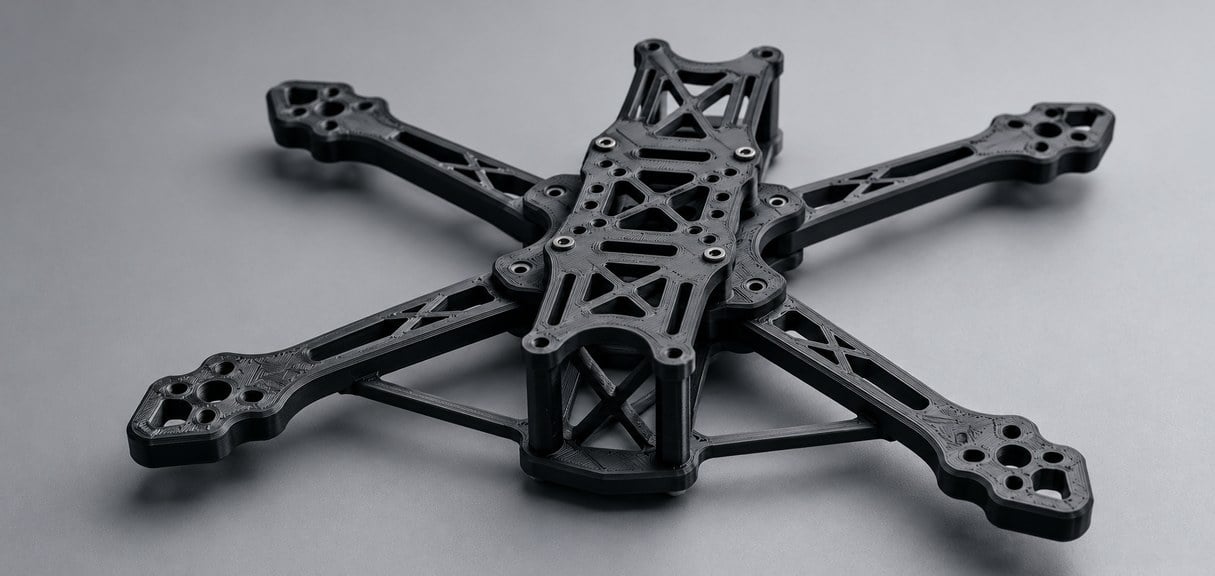
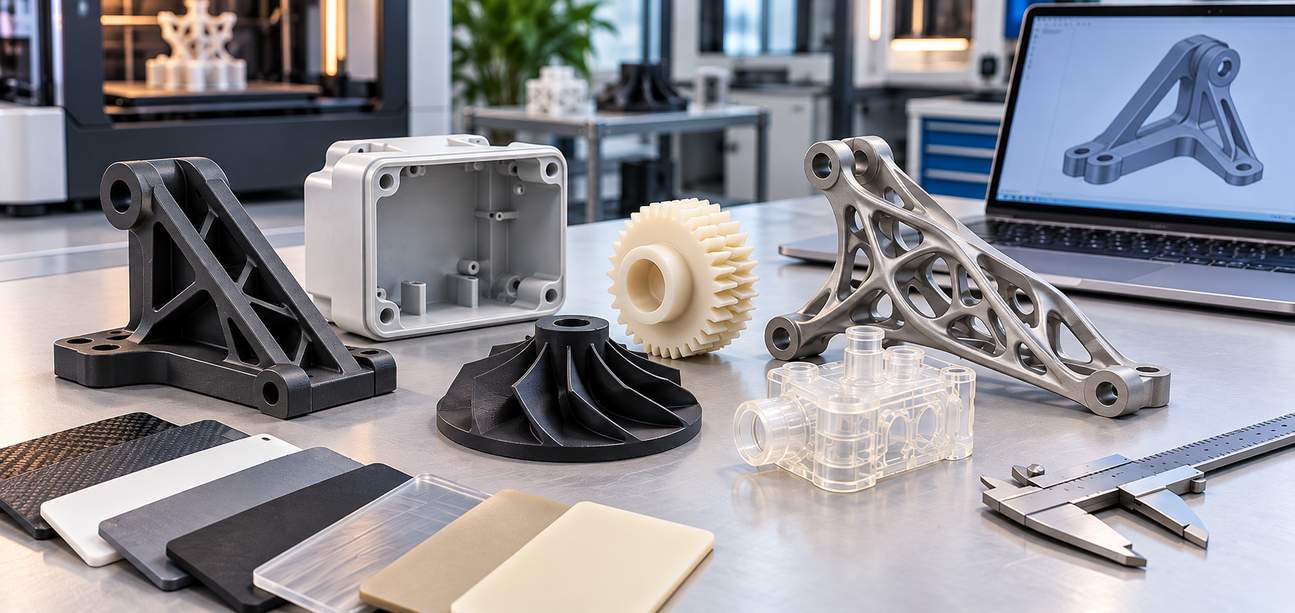
For example, FDM 3D printing suits sturdy, cost-effective functional parts, while SLA 3D printing delivers fine detail and smooth surfaces for cosmetic models. SLS and MJF produce durable nylon parts, and SLM prints metal. A reputable online 3D printing service lists its technologies and materials clearly, so you can match custom 3D printing to your requirements before uploading a file.
2. Compare Instant Quoting and Pricing Transparency
Look for a service that lets you upload a file and see a 3D printing quote by material, quantity, and finish right away, without a sales call, because transparent pricing lets you compare options and budget accurately before committing to an order.
So how much does a 3D printing service cost? It varies with part size, material, technology, quantity, and finishing, which is why a quote based on your actual file is more reliable than a generic price list. Watch for hidden setup fees, and check that the price updates when you change quantity or material. Comparing 3D printing services online is much easier when every quote follows the same format.
3. Check File Review and Design Support
Choose a service that reviews your file for manufacturability before production, checking wall thickness, tolerances, escape holes, and supports, because catching design issues before printing starts protects your order from failed prints, costly delays, and rework on your custom 3D printed parts.
Thin walls can break, tight tolerances may not be achievable with every process, and hollow parts need escape holes so trapped powder or resin can drain. Ask whether feedback comes from an engineer or only an automated check, and whether design support is available if changes are needed.
4. Evaluate Turnaround Time and Shipping Options
A trustworthy service states its estimated production time and shipping method before checkout, not after, so you can plan around real delivery dates instead of discovering delays once you've paid, which matters most when a prototype is holding up a design review or launch.
On demand 3D printing should be genuinely quick, but speed varies by technology, material, and finishing. So, what is the fastest online 3D printing service? The honest answer depends on your part, so compare quoted lead times and expedite options rather than marketing claims. Also confirm the shipping method and whether tracking is provided.
5. Understand Minimum Order Requirements and Scalability
Check the service's minimum-order policy up front, because some providers accept single parts while others require minimums, and the right fit lets you order one prototype today and move to a low volume 3D printing production run once the design is proven.
For early-stage work, a rapid prototyping service that welcomes one-off orders makes 3D printing for prototypes affordable while your design is still changing. For production, look for consistent repeatability from batch to batch and pricing that improves with quantity.
6. Review Quality Control and Inspection Practices
Ask what quality checks a service performs, such as dimensional inspection against your drawing, visual inspection for defects, and inspection documentation on request, because consistent quality control is what separates a dependable supplier from one that simply runs printers and ships whatever comes off the build plate.
What is the most reliable 3D printing service? The one whose process you can verify. Look for clear inspection steps, stated tolerances for each technology, and a policy for handling parts that arrive out of spec. Customer reviews and a sample order can also help you identify the best 3D printing service for your needs.
Quick Checklist: What to Confirm Before You Order
-
Technology and materials: Process and material match the part's function
-
Pricing: Instant quote by material, quantity, and finish
-
File review: Manufacturability check before production
-
Turnaround: Production time and shipping shown before checkout
-
Order size: Minimums fit your prototype or production run
-
Quality control: Dimensional and visual inspection, with documentation on request
The right answer depends on your part, not a single "best" service, so weigh each factor against your material, tolerance, quantity, and deadline.
FAQs
What file formats do custom 3D printing services typically accept?
Most accept STL and STEP files, and many also take OBJ and 3MF. STEP preserves precise geometry for engineering parts, while STL is the universal choice for mesh-based models. Check the upload requirements before you start.
Should I request a sample part before placing a full order?
Often, yes, especially for production runs or tight-tolerance parts. A sample lets you check fit, finish, and material feel before committing, and it shows the service's quality first-hand. For a one-off prototype, the first order effectively serves as your sample.
Can one custom 3D printing service handle multiple technologies like FDM, SLA, and SLS?
Yes, many can. A multi-technology provider can recommend the best process for each part and keep your quotes and quality standards in one place. Confirm the materials, size limits, and lead times for each technology, since they often differ.
Get an Instant Quote from Champ3D
Ready to put this checklist to work? Upload your design to get an instant quote and see your 3D printing quote by material, quantity, and finish before you commit.